Ultimate 10 Days Ndutu Migration Calving Safari
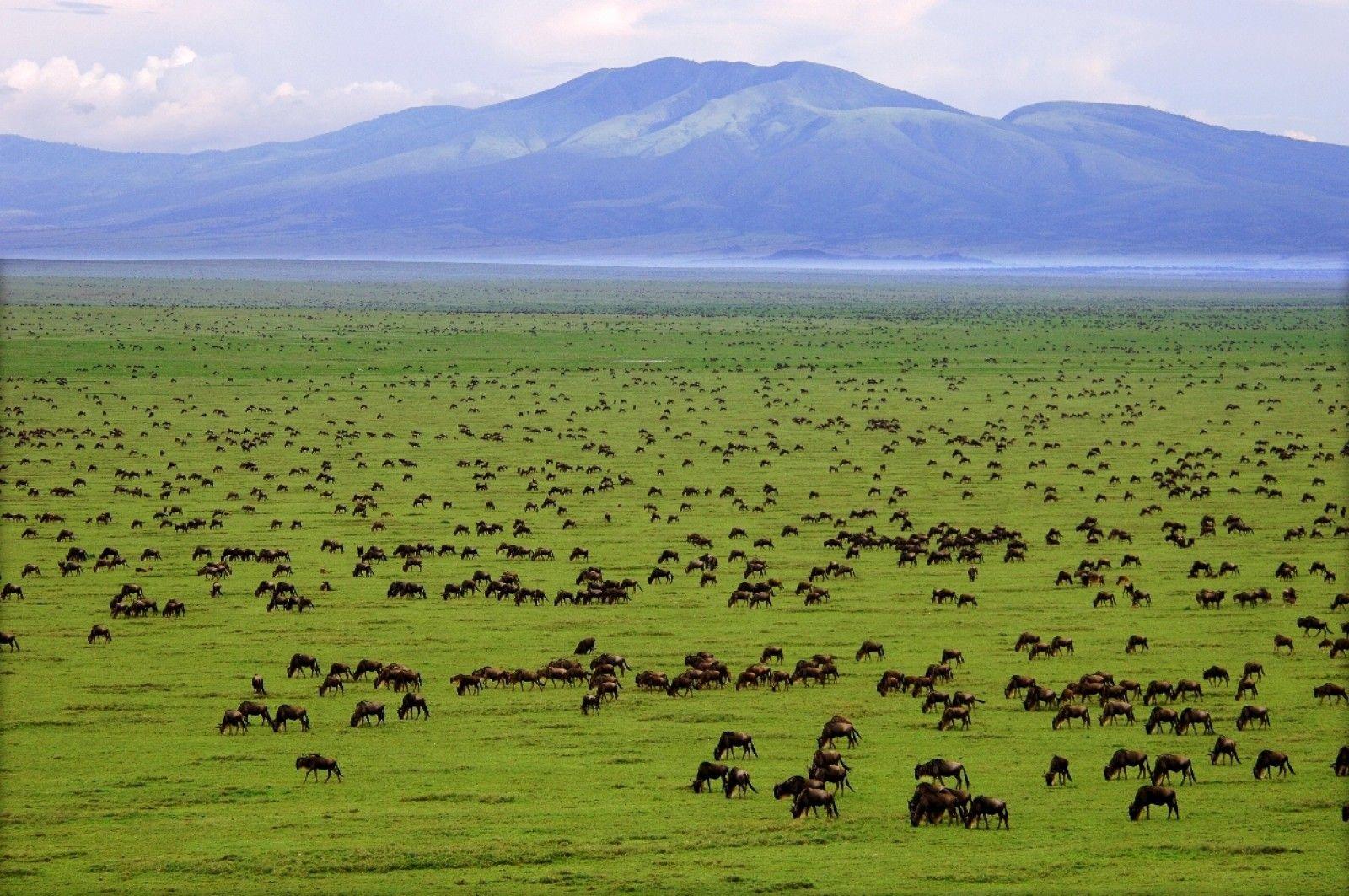
The Ndutu Migration Safari is one of Africa’s most dramatic wildlife journeys, unfolding every year across the southern Serengeti ecosystem. Unlike typical game drives that offer glimpses of scattered animals, the Ndutu Region of Serengeti National Park places you directly in the path of a natural phenomenon. So, this 10 days Ndutu migration safari involves seeing millions of wildebeest, zebras, gazelles, and their predators. As the rains transform the dusty plains into lush grazing grounds, the herds congregate in enormous numbers. Hence, spreading across the open short-grass plains in Ndutu Area that cradle the calving grounds.
This 10-day Ndutu calving safari drops you straight into the action on those wide-open short-grass plains. This is where the newborns wobble to their feet and the herds stretch to the horizon. So, you’ll base yourself at Mbuzi Mawe Serena Camp in the central Serengeti. Additionally, this is perfectly positioned along the Serengeti wildebeest migration corridor for easy access to the Ndutu Area. And here’s a huge plus: off-road driving is allowed in the Ndutu area, so your guide can follow the herds closely. Also, get you the best angles, and let you linger at those heart-pounding moments no need to scan empty horizons from afar in this Area of Serengeti.
It’s intimate, immersive, and honestly one of the most unforgettable ways to experience the Ndutu migration up close.
Why Choose This 10-Day Ndutu Migration Safari?
- Prime Calving Access: This 10 day Ndutu Area safari offers travelers a front seat on the calving season. So, this trip to Serengeti takes place at the heart of the wildebeest calving season. Hence, this is when more than 400,000 calves are born within a few weeks. And this unique thing to do in Tanzania is only witnessed in the Ndutu–Southern Serengeti plains.
- Photography Paradise: Ndutu area is an outstanding dream for photographers. Also, the short-grass plains here provide unobstructed sight lines. So, even amateur photographers 10 day Ndutu calving season safari can capture crisp images of cheetahs sprinting, wildebeest herds in Ndutu stretching to the horizon, and the breathtaking landscapes of the sunsets and sunrises.
- 10 Days for Depth: The 10 days in Ndutu offer a great space for travelers to view this area, unlike some areas of the Serengeti where wildlife is dispersed widely. So, Ndutu draws animals into tight, predictable zones due to seasonal water and nutrient-rich grasses. This means you spend more time watching action and less time driving long distances on this Ndutu migration safari.
- Lastly, the Ndutu Area of Serengeti is one of the few places in Tanzania where guided off-roading is permitted. Therefore, this allows drivers in Ndutu to follow the herds, track predators, and position vehicles for exceptional viewing angles.
Worst/Best Time to go on this 10 day Ndutu Calving Season Safari
The best time to visit Serengeti for this 10 days Ndutu Migration Safari is from late December to early March. So, this is the time when the wildebeest herds gather for calving which is the main purpose for this safari. During this season, the southern Serengeti routes around Lake Ndutu, the Big Marsh, and the Hidden Valley offer easy access to large herds in all directions.
The worst time for this 10-day Ndutu Area safari is from late June to early November. This is when the wildebeest herds have moved far north toward the Mara River. The Ndutu plains become dry and dusty and much of the wildlife disperses or shifts to the central and northern Serengeti. While resident predators remain, the dramatic herds and calving scenes are absent, making the overall Ndutu migration experience less adventurous.
10-Day Ndutu Migration Safari Summary
Right now (early February 2026), the short-grass plains around Ndutu, Lake Ndutu, and the surrounding areas are alive with over 1.5 million wildebeest and zebras. Plus roughly 8,000 calves born every day making it one of the most intense wildlife spectacles on Earth. Predators are everywhere in Ndutu taking advantage of the vulnerable newborns, and the lush green landscape after the short rains creates stunning backdrops.
- Day 1 – Arrive Arusha, scenic drive through Ngorongoro Highlands with picnic lunch at crater viewpoint. Enter Serengeti via Naabi Hill Gate; game drive to camp. Settle into Mbuzi Mawe Serena Camp.
- Day 2 -Head south to Ndutu woodlands along the wildebeest descent corridor. Picnic lunch in Macao Plains; arrive in short-grass zone with herds everywhere.
- Day 3 – Full day game drives around Lake Ndutu shores calving hotspot. Bush lunch by the water; track predators stalking newborns.
- Day 4 – Explore Ndutu woodlands and marsh. Explore the big cats in thickets, migration patterns. Bush breakfast, picnic lunch near springs, sunset drive.
- Day 5 – Explore the southern Ndutu plains (Kakiya area). See newborn calves nursing, morning hunts. Brunch at camp, afternoon spa/wellness, campfire dinner.
- Day 6 – Track wildebeests northeast toward Naabi Hill Ridge. Picnic lunch with ridge views; follow expanding migration lines.
- Day 7 – Final Ndutu sweep in the Serengeti via Lake Masek corridor, then into Seronera Valley for the Big Five in Tanzania. Picnic lunch near Olduvai and lastly terrace dinner.
- Day 8 – Full-day central Serengeti exploration: predator-rich Seronera River area, Big Five sightings. All bush meals.
- Day 9 – Back to Ndutu Area for another full-day drive: massive herds (some still calving), rhinos, flamingos at the lake.
- Day 10 – Leisurely morning game drive near your Serengeti tented camp, sundowner meal. Depart for Arusha Airport with lifelong memories of the Ndutu migration calving.
In short 10 days / 9 nights • Fly-drive style (road transfer in/out) • Focused on Ndutu migration calving peak (right now in Feb 2026), predators, and southern/central Serengeti variety • Luxury camp base with off-road flexibility.
What’s Included
- Airport pickup/drop-off in Arusha + all ground transfers in 4×4 vehicle in Tanzania.
- 9 nights at Mbuzi Mawe Serena Camp (luxury Serengeti tented camp with en-suite facilities)
- All meals (full board: bush breakfasts/picnics, camp dinners, Tanzanian specialties)
- Daily game drives + off-road privileges in Ndutu Region
- Expert English-speaking guide/driver
- All Serengeti & Ngorongoro Conservation Area park/conservation fees
- Bottled water, sundowners, select drinks during activities
- Personalized extras (campfire chats, tailored routes)
What’s Not Included (Exclusions)
- International flights to/from Arusha/Kilimanjaro Airport
- Travel insurance (highly recommended)
- Tanzania visa fees
- Personal spending (premium drinks, laundry, souvenirs, tips)
- Optional add-ons (hot-air balloon approximately $500–600 pp, spa beyond basic)
- Gratuities for guide/camp staff (customary: $15–25 pp/day for guide)
- Anything not listed in inclusions
Cancellation Note: Flexible options available – full policy on booking.
This 10 day Ndutu migration safari is happening live right now in February 2026. Calving of wildebeests is peaking with newborns everywhere and predators on high alert. It’s the ultimate front-row seat to nature’s greatest drama in Tanzania.
Top Things to Do on Your Ndutu Migration Safari
The Ndutu area in Serengeti National Park Tanzania shines during calving season of wildebeests. Here’s what stands out:
- Game Drives – Multiple daily (morning, afternoon, full-day) with off-road access in Ndutu.
- Bush Meals & Experiences – Sunrise bush breakfasts amid herds, shaded picnic lunches overlooking plains, sundowner drinks as the sky turns gold, campfire dinners with guide stories.
- Calving & Predator Action – Witness thousands of newborn wildebeests (peak right now), vulnerable moments, and intense hunts lions, cheetahs, hyenas, vultures all in play.
- Photography & Landscape – Open short-grass views for crisp shots of endless herds, dramatic sunrises/sunsets, and dynamic wildlife behavior.
- Cultural Touches – Optional Maasai cultural interactions or stories from your guide about the land and migration.
- Extras (additional cost): Hot air balloon safari in Serengeti over the plains, extended photography sessions.
The private/small-group pace means no crowds at sightings. So, you stay longer in this area, move with the herds, and really feel the pulse of the Ndutu migration.
Detailed 10-Day Ndutu Migration Safari Itinerary
Day 1: Transfer from Arusha to Serengeti National Park
Upon arrival at Arusha Airport, your driver, who will also be your guide, welcomes you and loads your luggage into the safari vehicle. So, this is when your 10 day Ndutu safari begins. The driving distance to the Serengeti National Park from Arusha Airport is roughly 250–320 km, taking about 5 to 6 hours, depending on stops and wildlife along the rim of the Ngorongoro Conservation Area. This long drive is not wasted time because it slowly transitions you from Tanzania towns and cultivated land into one of the world’s richest natural systems. So, the air changes rapidly as you pass through Arusha’s semi-humid warmth that blows around Karate’s green slopes.
Along the way to Ndutu Area, you may see olive baboons in the trees, yellow-collared lovebirds, and black-shouldered kites. Even if there is no migration viewing yet, the trip to Ndutu Region in Serengeti NP sets the tone by introducing you to the Rift Valley’s dramatic rise in altitude. Lunch today is a packed picnic lunch served while at the Ngorongoro Crater Viewpoint. From here, continue to Naabi Hill Gate located at the southeastern doorway into the Serengeti. So, you are likely to reach Mbuzi Mawe Serena Camp in the central Serengeti by late afternoon.
Later, check in, enjoy a hot towel and a glass of tamarind juice. Usually, animals that are sighted around the camp include bat-eared foxes, topi, and Thomson’s gazelles. By late evening, dinner is served to you inside the open-air dining tent. Even if there is no migration activity experienced yet, get to reminisce about the first day’s activity as you rest in your bed.
Day 2: Transfer from Central Serengeti to Ndutu Plains
After an early breakfast at your camp, set off from Seronera Area following the Southern Wildebeest Descent Corridor. So, this is the channel the wildebeests use when shifting from central Serengeti into the Ndutu plains, especially from December to March. Traveling through this route, you may see lion prides lounging on granite kopjes, cheetahs scanning the plains, elephants, and bands of mongoose. In the early-morning, wildebeest herds are seen moving southwards, usually stopping frequently to graze. Lunch on this day is a safari picnic set under a flat-topped acacia in the Macao Plains. Also, from lunchtime onward, enter the Ndutu Short-Grass Zone, which is the birthplace of the migration.
Additionally, this is because the soil here is rich in minerals that the pregnant wildebeests crave. By late afternoon, you settle into the Ndutu region and experience herds stretching across the horizon. Animals normally seen alongside the wildebeests include the jackals and the hartebeests. In the evening, dinner back at Mbuzi Mawe Serena Camp is served in the dining tent. So, you will have a Tanzanian meal before you go to your cozy room.

Day 3: Explore the Lake Ndutu Calving Grounds
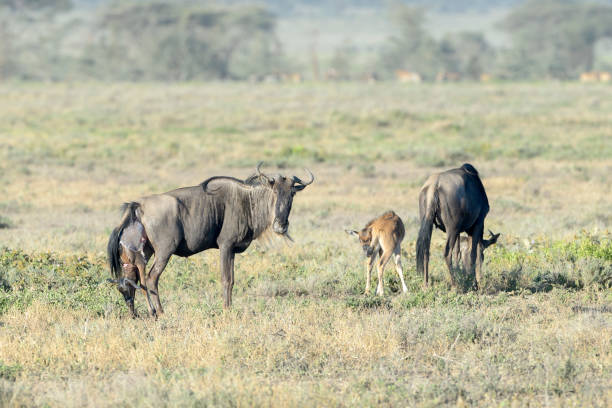
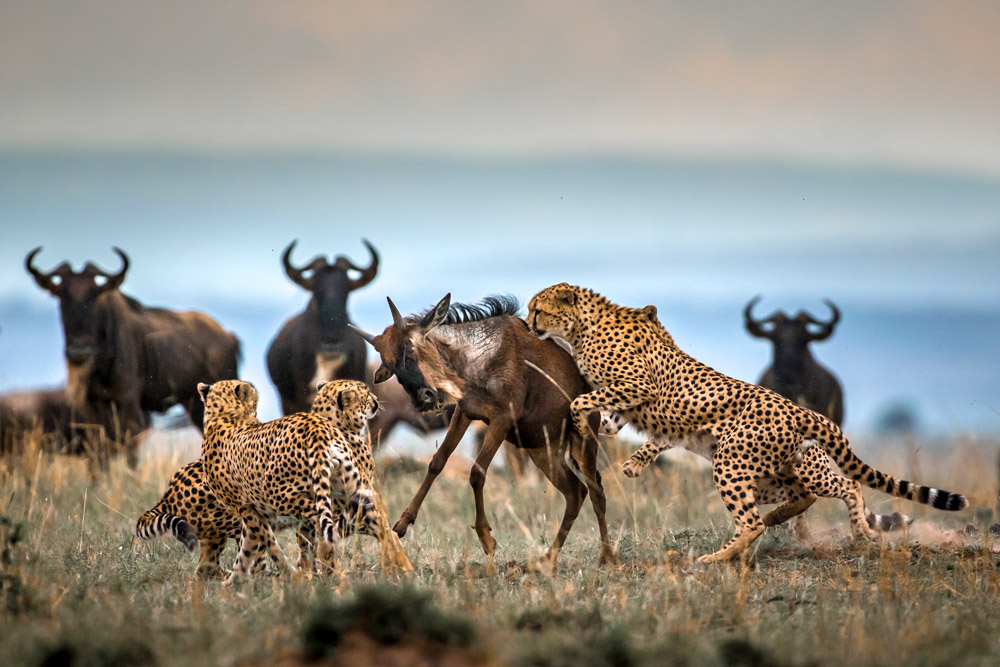
Today, you follow the migration route circling the Lake Ndutu south-eastern edge. Additionally, this is the calving core, where tens of thousands of female wildebeests in Serengeti drop their young between late January and mid-March. So, this attracts predators like cheetahs and lions. Because of the increase in many unbearable prey victims during this time, you are likely to view predator-prey patterns as the lions are seen stalking the calves in Ndutu.
In the afternoon, your guide will set up a bush lunch on a portable table near the Lake Ndutu shoreline. The latter is famous for soft breezes, open sightlines, and shallow water that attracts herbivores, ice rhinos, and buffalo. In the Late afternoon, have a game drive focused on tracking down the prime predator movement in Ndutu area of the Serengeti. So, you are likely to see animals like hyena clans testing vulnerable calves, cheetahs sprinting, circling vultures, and jackals shadowing the herds. Some of these are seen on your en-route drive back at camp, where you will enjoy a bush dinner before you rest.
Day 4: Game drive safaris to explore the Ndutu Woodlands & Marshes
On this day, have a bush breakfast set up in the open grasslands. So, enjoy a buffet accompanied by a warm drink and a naturally made juice before you explore the Ndutu Marsh Region. So, that is a mix of thick woodlands and open grass, and is one of the most reliable big cat territories where travelers spot leopards, lions, and even herds of impalas. When it comes to the great migration in Serengeti, you will see herds forming migration patterns around the Marsh edges.
Later, have your lunch served to you by the safari guide in vehicles overlooking one of the breathtaking scenic stopovers around the Bolongoja springs, in the northern area of the Serengeti. By the sunset game drive, the wildebeests drift out of the woodlands into the open plains to avoid night predators hiding in the thick bush. Hence, spot them before you go for another wilderness dinner at the Mbuzi Mawe camp.
Day 5: Game drives via the Southern Ndutu Plains
On this day, in the morning, head towards the Kakiya Plains, a rarely visited stretch where wildebeest herds often gather with their newborn calves. So, observe how these animals nurse their calves. The morning game drive is also extraordinary because this is the time when most animals are active. Hence, you are likely to catch the predators like lions chasing the impalas, or already feasting on their morning hunt of the wildebeest calves.
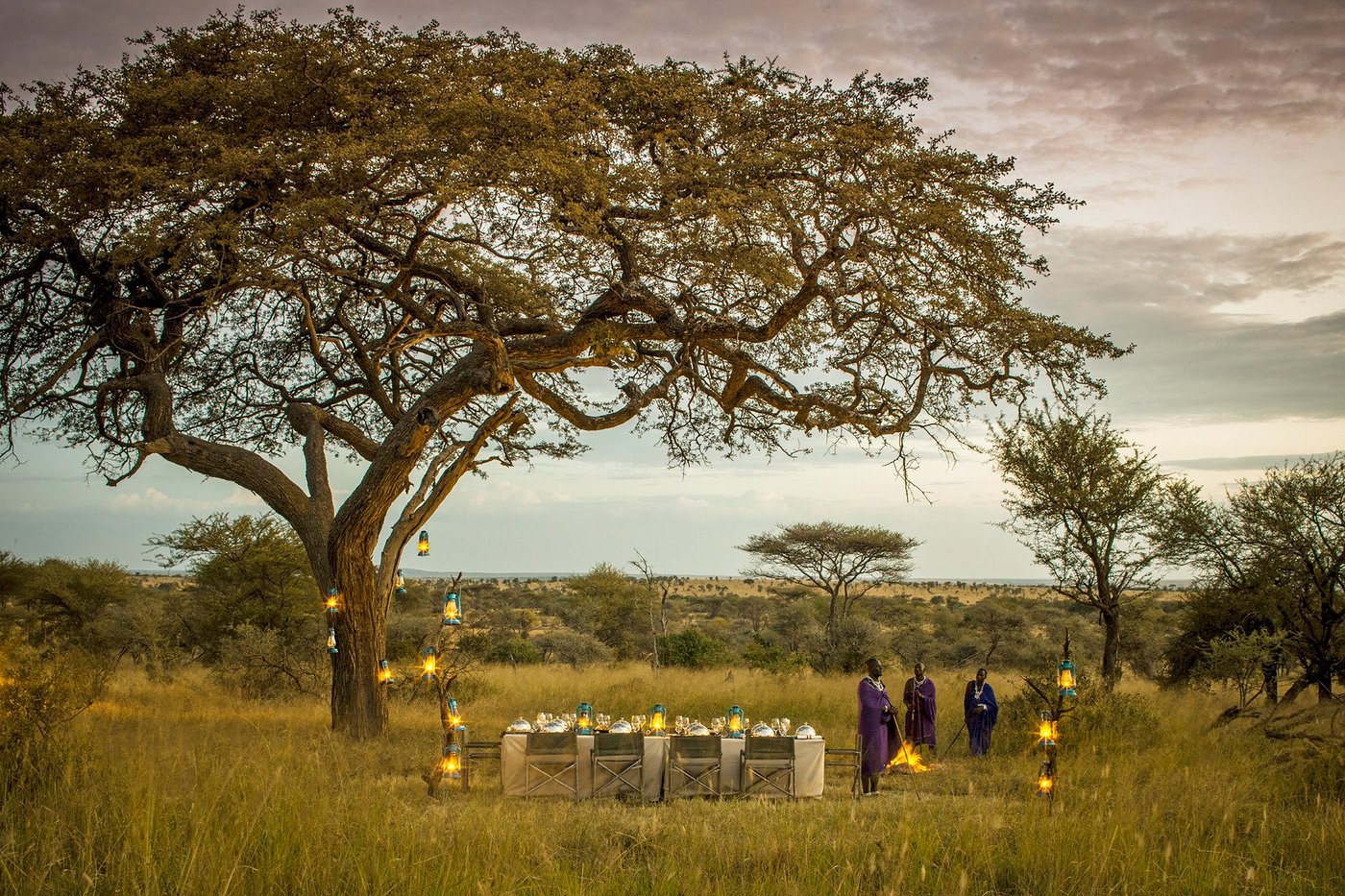
After the morning game drive, head back to the Mbuzi Mawe camp for a wilderness brunch buffet where a variety of foods are served, including Tanzanian traditional delicacies. After the meal, have spa and wellness services delivered to your tent. Lastly, in the evening, have a campfire dinner as you listen to traditional stories and myths told by your guide.
Day 6: Wildebeest Migration Tracking in Serengeti Near Naabi Hill
Have your breakfast before 10: 00 am, then be briefed by your guide about the day’s activity in this Ndutu migration safari. On this day, you are most likely to follow the wildebeests drifting slightly northeast toward the Naabi Hill Ridge. Additionally, this is where volcanic soils produce new grass after light rains. So, this usually attracts herbivores like wildebeests and zebras. Hence, travelers witness the first signs of the great migration’s herd expansion as it spreads across the wide plains from here.
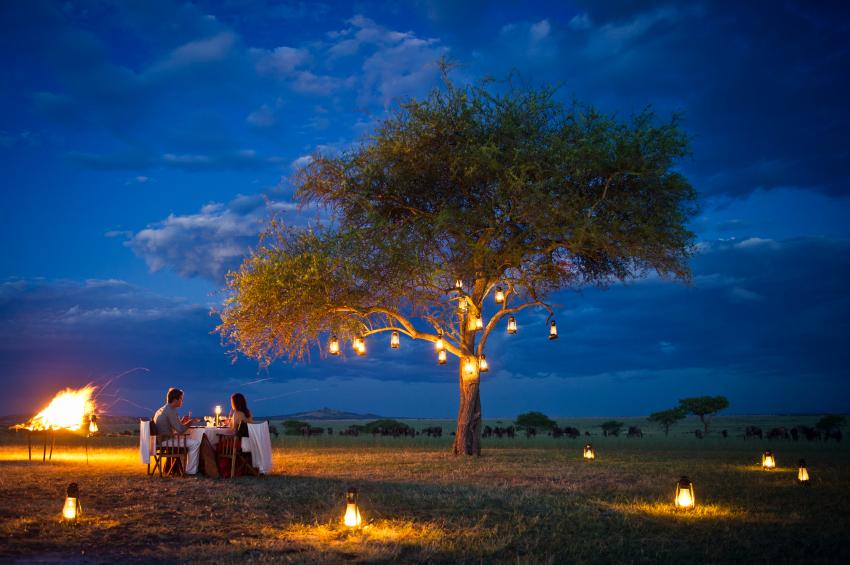
In the middle of the day, picnic Lunch is enjoyed in the open Serengeti grasslands overlooking the breathtaking backdrop of Naabi Hill’s granite slope. Later, have another game drive following the migrating herd, which moves in lines, accompanied by zebras and impalas. In the evening, return to your camp and dinner will be brought directly to your tented camp in Serengeti.
Day 7: Game drives from Ndutu Area to Central Serengeti (Seronera Valley)
On this day, have breakfast at the dining area of Mbuzi Mawe Serena Camp. Then, do a final sweep through the Lake Masek corridor that is around the Ndutu plains. So, observe wildebeests moving, especially when the rains shift. During your game drive, spot animals like eland, ostrich, cheetahs, and zebra mothers. When it comes to the great migration in Serengeti Seronera, herds usually scatter in these open plains searching for fresh grass. Also, the calves adapt to the environment and their surroundings. A Lunch picnic is served near the Olduvai area alongside salad accompaniments.
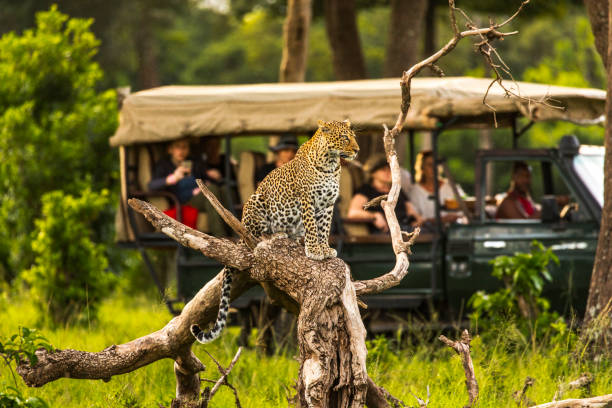
In the afternoon, go for a game drive through the Seronera Valley, a habitat for the big cats in Serengeti. Spot prides of lions are normally seen resting after an afternoon hunt. Also, see leopards scanning the plains from the acacia trees. In the evening, go back to the Mbuzi Mawe tented camp and for dinner on the terrace before you rest.
Day 8: Full-day game drive experiences in Central Serengeti (Seronera)
Spend the 8th day exploring the Seronera Area, one of the richest parts of Serengeti known for its high density of predators. With the existence of permanent water sources like the Seronera River in this region, travelers are guaranteed optimal wildlife viewing all year. Throughout this day, travelers should expect to see distinct behaviors of the different wild species, including herbivores like elephants, zebras, and giraffes. Also, the big cats, hence, travelers will see the big 5 animals in Central Serengeti in this Ndutu migration safari: lions, leopards, rhinos, buffaloes, and elephants.
From April to May, this is the time when wildebeests usually pass through this area. Hence, a traveler who comes during this time will be able to observe their movements. All meals are served in the wilderness, from the bush breakfast in the morning to the picnic lunch around the kopje area in the afternoon. Lastly, dinner is served at your Serengeti tented camp before you sleep.
Day 9: Return to Ndutu Plains for the migration safari experiences
This will be another day of full-day game drive experiences. First, the day starts with breakfast at the dining area of the Mbuzi Mawe tented camp. Next, prepare yourself for the day’s wildebeest migration safari in the Ndutu Region. So, you are likely to encounter hundreds and thousands of the wildebeests gathered in the plains, some giving birth and others lining up, getting ready to leave.
Also, you might see other species like buffaloes, zebras, gazelles, rhinos, hartebeests and birdlike pelicans and the flamingos concentrated at the Ndutu Lake. During the day, you will have a packed lunch and in the night dinner will be brought to your camp.
Day 10: Transfer from Serengeti to Arusha and end of safari
After taking your last bush breakfast at the Mbuzi Mawe tented camp, you will do one last leisurely morning drive near the camp. So, have more sightings of animals in Serengeti like buffalo, giraffes, impala, and zebras. In the afternoon, enjoy a sundowner meal before you depart from the Mbuzi Mawe camp to the Arusha airport. So, you will end the 10 days Ndutu wildebeest migration safari from where it began. Lastly, carry the memories of the Ndutu calving season, which is one of the most dramatic wildlife events on the continent.
FAQs
Q: When is the peak Ndutu calving in 2026?
A: February has the highest wildebeest births, with intense predator action.
Q: Why Ndutu Region over other migration spots in Serengeti?
A: Intimate access to births/calves, off-road freedom, fewer crowds than other Serengeti Safari Areas.
Q: Suitable for photographers/families?
A: Yes, Ndutu Region has clear views, flexible pacing, and luxury comforts in Serengeti.