Western Corridor safari area in Serengeti National Park
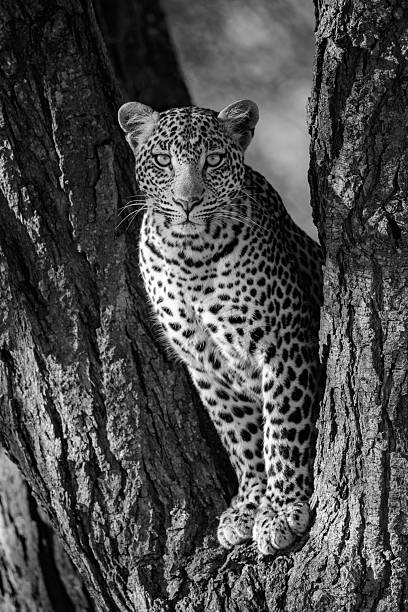
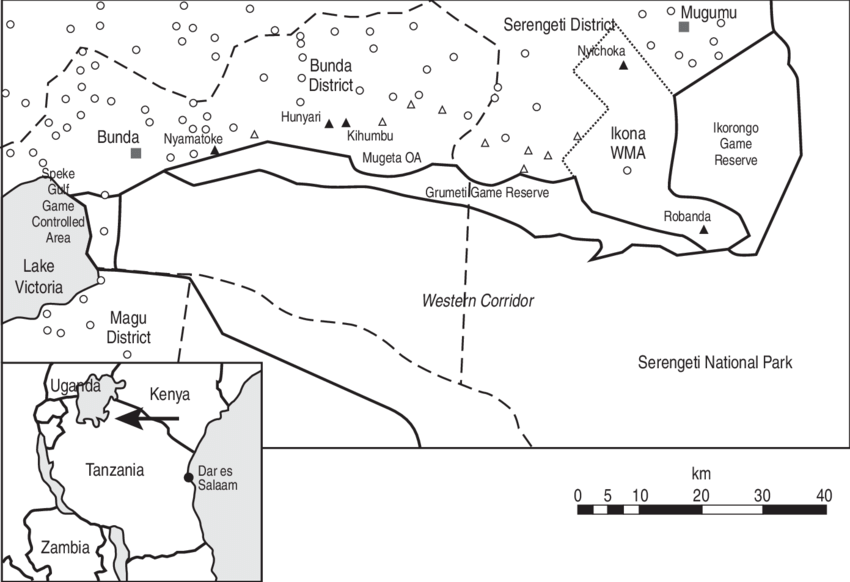
The Western Corridor is one of the most dramatic and character-rich areas of the Serengeti National Park. Additionally, the western Corridor is defined by two ancient river systems, ie, the Mbalageti and Grumeti Rivers. Thick belts of riverine forests filled with shade, figs, tamarinds, and towering acacias are part of the landscape in Serengeti’s western Corridor. Also, the rolling savannas that are dotted with anthills, woodlands, and scrublands give animals protection in this region. When people hear “Serengeti”, they often imagine the endless flat short-grass plains of the south. Or the iconic open areas of Seronera Valley.
But the Western Corridor is different because it is Serengeti’s long western arm that stretches toward Lake Victoria. Additionally, it forms a natural funnel that channels wildlife movement distinctly. The Western Corridor is most famous for the wildebeest migration in the Serengeti, specifically the Grumeti River crossing in the Grumeti Game Reserve. This wildebeest Grumeti River crossing is very different from that of the Mara River crossing in the north. So, this is because it is narrower, darker, more shaded by trees, and dominated by some of the largest crocodiles in the East. Another quiet truth about the Western Corridor is that it is less developed than the central or northern Serengeti
Worst-Best time / Accessibility / Things to do in the Western Corridor / Lodges in the Western Corridor
Best and Worst Time to Visit the Western Corridor safari area in Serengeti
The ideal time to visit the Western Corridor in Serengeti is from late May to July. So, this period is remarkable because this is when the animal migration moves in around late May. That’s the time the wildebeest herds arrive in the western corridor in Serengeti. Because the land narrows between the Mbalageti and Grumeti rivers and Lake Victoria, the animals bunch together. So, this creates dense herds stretching across the Mbalageti and Grumeti regions. Hence, offering travelers a great wildlife viewing Serengeti safari experience while in the Western Corridor.
Also, there are frequent predator hunts due to the constant movement of wildebeests and their vulnerable calves through flowing like rivers. During this time, the landscape’s beauty is at its peak because the Lake Victoria scenic views are clearer this time. Also, the greenery in this region in the Serengeti becomes verdant at this time. The Western Corridor soils can become heavy during rains, but by late May, the ground has dried enough to allow smooth movement.
The worst time to go for a safari in the western corridor of Serengeti is from March to April. This period is subdued by the long rains, which make roads through the Western Serengeti Area muddy. So, vehicles may slide, get stuck, or sometimes detours may be required while going to Serengeti’s western corridor. Tall grass also reduces visibility, especially when the herds are far south in the calving grounds.
Lastly, in late March, the Grumeti River has a tendency to swell. Hence, filling in hidden channels makes some off-road loops around the forested parts difficult to access. So, safari vehicles in Tanzania spend more time maneuvering through mud than watching wildlife in this period, while in the Western Serengeti.
Why the Western Corridor in Serengeti Is Unique
- When most travelers imagine the Serengeti National Park, they picture endless open plains with very short grass. But the Western Corridor blows that out of the water. So, its landscape is a lot greener, a lot more rugged, and way more immersive than you’d picture.
- What really sets this place apart, though, is how life moves through here. As the Serengeti funnels in between the Mbalageti and Grumeti rivers and Lake Victoria, it kind of squeezes the wildlife into smaller areas. So, this compression creates really dense concentrations of animals and a lot of chance encounters with predators in the Western Corridor. Also, some of the most thrilling wildebeest migration dramas in East Africa are easily experienced here.
- The Western Corridor has a reputation for its Grumeti River crossings. So, they’re perhaps one of the wildest untold stories of the Great Wildebeest Migration in Tanzania. Unlike the super wide-open Mara River up in the north, the Grumeti in the western Corridor Serengeti is narrower. Also, it is much darker and heavily wooded with some of the biggest Nile crocodiles you’ll find in Africa.
How to Access the Western Corridor
By road, the usual route to get Western Corridor is about 380 km from Arusha. The distance depends on the camp in the western Corridor you choose. However, the road trip from Arusha takes roughly 8 hours to get to this area in the Serengeti. The starting point is Arusha, then you continue through Makuyuni. Additionally, stop over in Karatu for a food stopover. Lastly, have a scenic stopover at Naabi Hill, then continue through to Central Serengeti, and then Western Serengeti.
By air, the main harbor used is the Grumeti Airstrip, north of the Western Corridor. So, from Arusha Airstrip, it is approximately 1 hour and 30 minutes to Grumeti Airstrip. Also, chartered flights are scheduled daily, with extra flights during migration months.
Top Safari Experiences and Things to do in the Western Corridor Serengeti
1. Wildlife Viewing in the Mbalageti Valley
This western region in the Serengeti has sweeping river bends, open hills, and long grasslands. So, it is one of the best corridors in this park for viewing animals like hyenas, topi, giraffes, and elephants. Also, cheetahs and some of Tanzania’s big 5, including lions and leopards. These animals are usually sighted on raised ridges in the Mbalageti Valley. Travelers in the Western Corridor experience Sunrise game drives that light up golden grasslands. Also, observe Large herds moving in waves in June as Predators use riverbanks of Mbalageti to stalk prey.
2. Scenic Exploration of Kirawira Plains
This is one of the Western Corridor’s most classic safari landscapes. Also, the Kirawira Plains are endowed with wide plains mixed with clusters of trees. Travelers in this area in the Serengeti are most likely to have big cat sightings, photogenic sundowners. And Long-range sightings of migrating herds and large buffalo herds. Also, Kirawira is famous for its breathtaking morning mist, which creates surreal photography moments.
3. Hiking through the Riverine forests in the Western Corridor of Serengeti.
This could be a physically demanding experience that is also adventurous. The dense riverine forests are home to wild species like Black-and-white colobus monkeys, large baboon troops, and Mud-spattered buffalo herds. These riverine forests create a feeling of deep wilderness that is not found in other parts of the Serengeti. Hence, travelers get a more intimate connection with Mother Nature as they view animals up close.
4. Sunset Game Drives along the Palm-Lined Ridges
In the Western Corridor, dusk is not just a change of light; it is, however, an entire transformation of mood. As the sun slides down toward the Lake Victoria horizon, the palm-dotted ridges cast long golden shadows over the plains. These ridges act like natural balconies, giving travelers a gentle rise above the savanna. So, they allow you to look far across the river valleys. Observe the elephants marching slowly toward water and giraffes bathing in the last orange light.
Unlike Central Serengeti, where sunset is usually broad and open, the Western Corridor’s sunsets feel framed by palms, river curves. And distant hills create a more cinematic atmosphere, and travelers on their Tanzania safari often experience moments of quiet awe. The wildlife is active, the light is soft, and the landscape feels like it’s exhaling after a long day.
5. Witnessing the Grumeti River crossings in the Western Corridor Safari area in Serengeti
This animal migration event unfolds and is the heart of the Western Corridor’s drama at the Grumeti River. This river in the Serengeti runs through thick forests and deep pools. During the African migration dates from late March to July, the Grumeti River banks are where thousands of wildebeest gather. Hence, travelers to the Western Corridor watch herds hesitate at the edge. Additionally, the crocodiles slap their tails in the water, and photographing tense moments is when the animals decide to cross. So, witness the huge Nile crocodiles attempt ambushes and Lions, leopards await nearby for the chaos in the Western corridor.
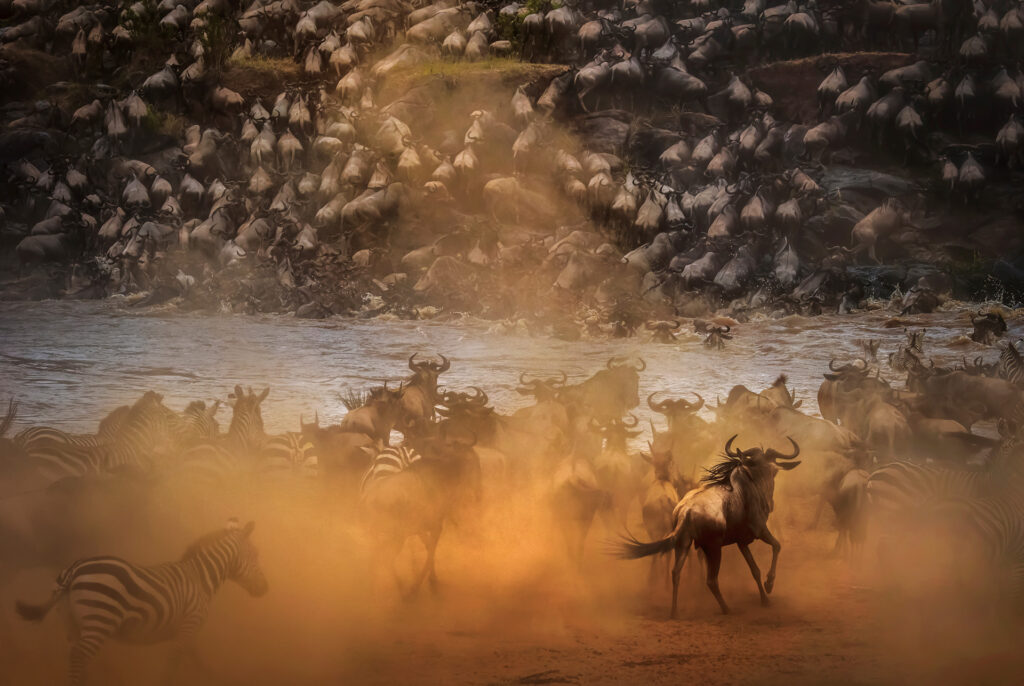
River Crossings in the Serengeti Mara region during the wildebeest migration Serengeti Tanzania
6. Walking Safaris in the Grumeti–Ikorongo Woodlands
The Western Corridor is one of the few safari areas in the Serengeti where the landscape is friendly for guided walking safaris. Walking safaris are conducted especially in the protected areas bordering the Grumeti ecosystem. These are not simple strolls; they are slow, sensory-rich explorations where every sound becomes sharper and every footprint tells a story. So, walk through the sandbanks filled with fresh tracks from the night and cool corridors beneath tamarind trees.
The forest-savanna blend of the western corridor makes walking here incredibly rewarding. Unlike the flat plains of the south, the Grumeti-Ikorongo woodlands have layers of shade, a variety of terrain, and subtle movement in the undergrowth.
7. Hippo Watching at the Hidden Backwater Pools
Beyond the famous main river channels, the Western Corridor has dozens of quiet backwater pools where hippos gather in enormous, tightly packed pods. These pools form where the river bends, leaving oxbow lakes and deep, shaded pockets. Hippo-watching in the western Serengeti is different from other regions. So, this is because it’s quieter and the hippos often pile together in dramatic clusters.
Because the pools are surrounded by vegetation, you feel closer to the animals. Almost at eye level with these hippos, watch their calves as they pop up beside their mothers, big bulls battle for space, and oxpeckers dance on their backs. Hence, it’s an intimate, sensory experience that captures the essence of the Western Corridor
8. Birdwatching in the Riparian Forests of Grumeti
The Western Corridor is one of the most underrated birding zones in Tanzania National Parks. This is because the riverine forests create layered habitats that attract both resident and seasonal species. Additionally, common bird species in this area include the hornbills, starlings, weavers, and fish eagles. Because the Western Corridor has more trees, more water, and more shaded glades, birdwatching here is among the unique things to do in Tanzania. Also, it feels more immersive than in the Central Serengeti plains. You often stand in cool, shaded riverbanks surrounded by layers of sound.
Lodges and Camps in the Western Corridor of Serengeti
1. Kirawira Safari Camp
This camp sits on a natural ridge overlooking the open plains. Kirawira Safari Camp is built in a nostalgic Edwardian style that combines old-world charm with modern comfort. Canvas walls here also stretch beneath high safari-style roofs, with wooden decks. These face the golden sunsets, and Guests usually feel like they’re stepping into a vintage explorer’s lodge. The elevated location allows sweeping views of migration, and the Estimated Cost Ranges between $650-$900 per person per night, depending on the season.
2. Mbalageti Tented Lodge
This lodge is positioned directly above the Mbalageti River. Also, Mbalageti Tented Lodge was designed to blend seamlessly into the hill. Its chalets are built using stone bases and natural thatch, giving them the feel of handcrafted river houses with Epic sunrise views over the river valley. Plus, the ability to see herds moving beneath your balcony during migration months. The Estimated Cost of this lodge in the western corridor is from $550 to $800 per person per night.
3. Grumeti Hills Camp
This is a modern eco-lodge inspired by Lake Victoria fishing villages. Also, it is built with sustainable materials and solar power, whereby the camp emphasizes privacy, natural light, and silence. It offers the Unique Experience of Night game drives around the Grumeti–Ikoma border. Plus frequent elephant sightings near camp, and costs range between $450–$650 per person per night.
4. Serengeti Western Corridor Seasonal Camp
This is a mobile camp that follows the migration. And it has Canvas tents that sit in open plains close to the action. The construction is simple but elegant with wooden floors, open-air bucket showers, and lantern lighting. This camp offers an unfiltered connection to the sounds of nature, like lions roaring at night, wildebeest grunting in June, and hyenas calling before dawn. Estimated Serengeti safari costs for this camp are between $ 400 and $ 700 per person per night.