Serengeti Safari Areas: Complete Guide to The Best Areas in Serengeti National Park for a Safari
If you’re dreaming of the real Africa, the one you’ve seen in documentaries that still gives you goosebumps, then you need to understand the different Serengeti safari areas before you book anything.
The Serengeti National Park isn’t just one big plain, it’s a massive park split into completely different worlds in Tanzania. One day you can be watching half a million wildebeest babies being born in the south, the next you’re floating in a hot-air balloon in Serengeti over leopards in the centre. And a few days later, in your Serengeti safari, you’re holding your breath on the banks of the Mara River while thousands of wildebeest leap into crocodile-infested water. All the areas in Serengeti National Park feel like a different planet, and each one hits you right in the chest.
I’ve been sending people on safari for over 12 years, and I still get emotional telling clients which of the Serengeti safari areas will give them the moment they’ll talk about for the rest of their lives.
This guide breaks the park down area by area, where they are, how to get there, what you’ll actually see, the best camps, and exactly when to go. No fluff, just the stuff that matters so you can pick the right Serengeti areas for your trip to Tanzania (and your budget). Let’s get you to the right place at the right time.
The 8 Serengeti Safari Areas: Best Areas of Serengeti National Park to Visit for a Safari
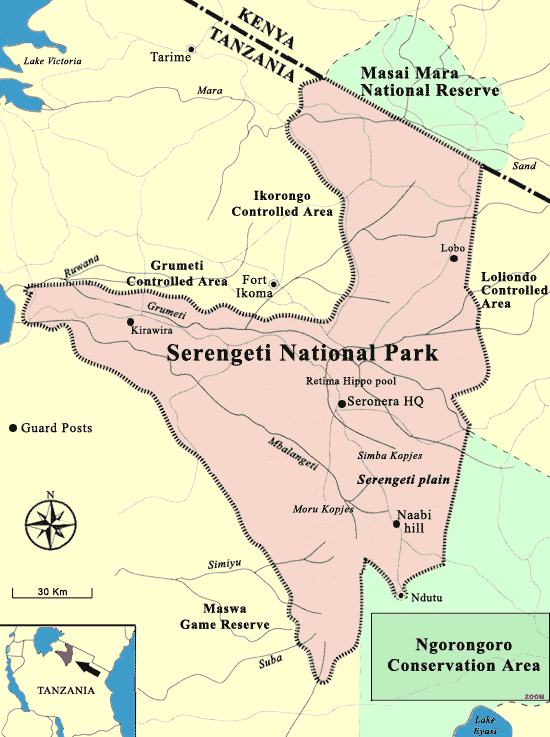
Understanding the top Serengeti safari areas helps you plan the trip you truly want. Each area of Serengeti National Park offers different landscapes, wildlife experiences, and seasonal highlights. Below is a complete guide to the 8 main areas of Serengeti National Park and what makes each one special.
1. Seronera Valley – Central Serengeti
The Seronera Valley is located in the Central Serengeti and this is the most accessible region of Serengeti National Park. Travelers drive from Arusha via the Naabi Hill Gate for about 6–7 hours or fly into Seronera Airstrip. That Serengeti Airstrip in Seronera has daily connections from Arusha, Kilimanjaro airports, or other parks like Ngorongoro and Tarangire. This area is the heart of the Serengeti, where wildlife can be seen all year round.
Additionally, the Seronera Valley is famous for the Seronera River, which is a lifeline that flows year-round, attracting various animals including lions, leopards, cheetahs, and elephants. Also, it is a prime spot for balloon safaris in Serengeti at sunrise, gliding over endless plains filled with wildlife. The Seronera Valley is in the same proximity as the luxury Serengeti lodges and camps, including Serengeti Serena Safari Lodge and Kubu Kubu Tented Lodge. Lastly, the Seronera River Valley itself is one of the best places in Africa to see leopards resting in acacia trees.
2. Kusini Plains – Southern Serengeti safari area
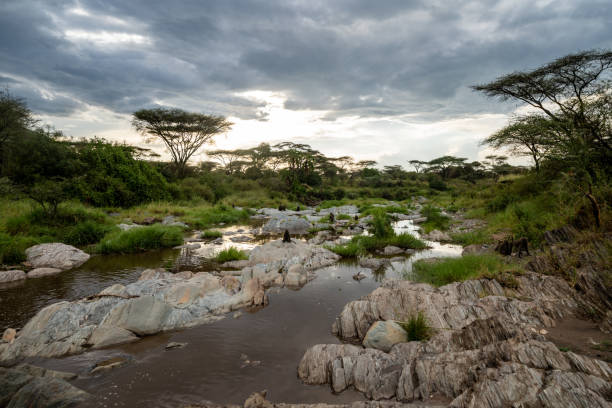
Far in the southern Serengeti lies the Kusini Plains. Additionally, this is a remote and almost untouched area in the Serengeti that meets the wild fringes of the Ndutu ecosystem. The Kusini Plains are characterised by wide open spaces, scattered acacia trees, and long silences. Kusini is best reached via Ndutu Airstrip, followed by a long, adventurous, scenic drive via the Serengeti. Or, you can get to Serengeti’s Kusini plains directly from Arusha to Kusini Airstrip.
Between December and March, Kusini becomes part of the migration’s calving zone. Though it remains quieter than Ndutu, here Predators roam freely. Nearby Serengeti Tented camps to Kusini include the Sanctuary, Kusini Camp and the Asilia Dunia Camp. The Kusini Kopjes, rocky outcrops, serve as lookouts for lions and cheetahs, and are some of the unique things to see in Tanzania. Lastly, the Kusini plains make a perfect spot to watch the sun melt into the plains at dusk.
3. Barafu and Namiri plains – Eastern Regions in Serengeti National Park
Barafu and Namiri Serengeti safari areas are in the same vicinity in this park. So, you can get there through a drive from Central Serengeti for about 3 hours or fly to Seronera airstrip and continue with a drive there. For years, this Barafu and Namiri region in Serengeti was closed to tourism to allow cheetah populations to recover.
Today, the Namiri Plains are celebrated as the cheetah capital of the Serengeti National Park. This eastern Serengeti area is remote, dotted with golden grasses, rocky kopjes, and with a few other vehicles. Barafu and Namiri areas of Serengeti are in proximity to camps and lodges like Namiri Plains Camp and Barafu Camp. Lastly, the Namiri Plains themselves are one of the finest places in Africa to watch cheetahs hunt in open terrain.
4. Grumeti Area – Western Corridor Region in Serengeti
The Western Corridor follows the Grumeti River, surrounded by riverine forests and rolling hills. Also, the Grumeti region is best known for the wildebeest migration in Serengeti from March to July, when wildebeests face Grumeti crocodile attacks. The Grumeti area of Serengeti is less crowded compared to Seronera Valley and combines wildlife with wilderness tranquillity. Additionally, nearby Grumeti lodges include AndBeyond Grumeti Serengeti Tented Camp, Kirawira Serena Camp and Mbalageti Safari Lodge.
The Grumeti River banks are an area in Serengeti where you can spot massive crocodiles, colobus monkeys and also seasonal wildebeest crossings. Travellers can reach the Grumeti area via a 4-5 hour drive from Central Serengeti or by air via Grumeti Airstrip.
5. Ndutu Plains – (Southern Serengeti Area / Ngorongoro region)
Ndutu Region lies in the southern Serengeti, spilling partly into the Ngorongoro Conservation Area. Also, it is the cradle of life in this place where every year, the Great Migration’s calves take their first steps. Ndutu Area is reachable by road from Arusha in about six hours via the Ngorongoro Highlands, or by a short flight to Ndutu Airstrip. The drive to Ntutu Serengeti safari area is scenic, passing volcanic hills and wide, shimmering salt lakes. Between December to March, the plains of Ndutu turn green after the rains. So, half a million wildebeest calves are born within weeks.
Beyond the calving spectacle, the Ndutu Plains of Serengeti have an emotional beauty, for instance, the openness of the land, the soft light at dawn, and the stillness after storms. So, these make the Ndutu Area feel almost spiritual, and it is great for photographic captures. Lastly, the Ndutu plains have great accommodations such as the Ndutu Safari Lodge, Lake Masek Tented Camp, and Kusini Camp.
6. Lobo Hills – Far Northern Serengeti Safari Areas
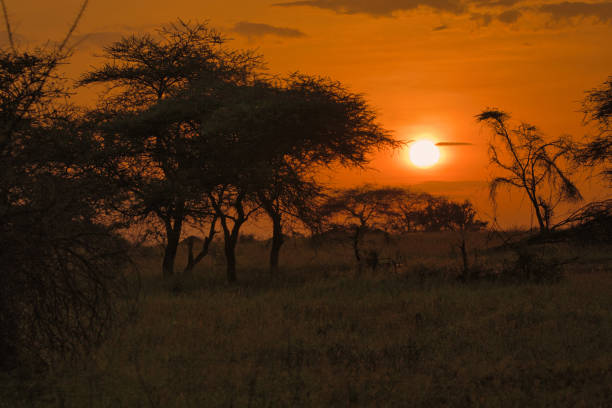
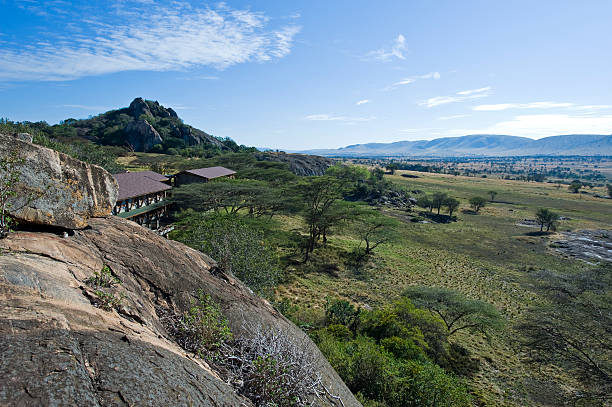
The Lobo hills are hidden in the far northern region of the Serengeti Mara Area. Next, the Lobo Hills stand like ancient guardians over a vast landscape of valleys, granite ridges, and endless grasslands. Also, they are one of the most beautiful and least-visited corners of the park. However, the Lobo Area gives a rawer and intimate feel of the wilderness in Serengeti. Lobo can be reached by road from the Seronera Area, and travelers can take about 5 hours. Or, you can get to Lobo Area by air via Lobo Airstrip, which has regular flights from Arusha and other Serengeti airstrips.
The road trip to Lobo Area is itself remarkable because travelers pass through woodlands, dry riverbeds, and escarpments that grow wilder the farther north you go. Lobo is a region of seasonal wildebeest migration that occurs between August to November So, the wildebeest herds travel through the Lobo Area after crossing the Mara River. Also, resting on the rolling hills before continuing southward. Additionally, the Lobo Area in Serengeti National Park boasts dramatic terrain that includes rocky outcrops, lush valleys. And wide elevated plains that attract giraffes, elephants, and large prides of lions. Whereby travelers can stay at accommodations like Lobo Wildlife Lodge and the Migration Camp while doing safaris in Lobo area.
7. Mara River Area of Serengeti National Park
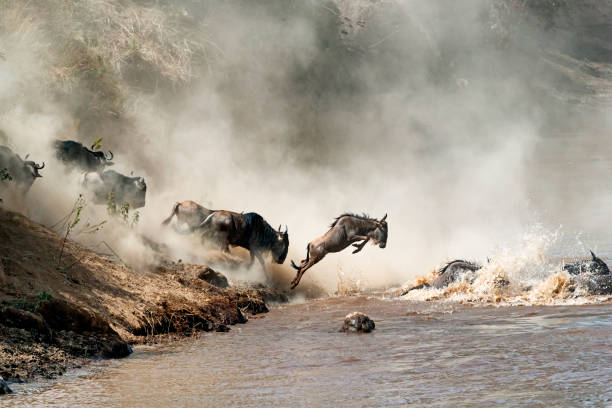
The Mara River area is Serengeti’s grand stage of survival where the Great Migration reaches its climax. Here, the plains roll into hills, and the air is thick with drama as wildebeests face their greatest test. So, watch wildebeests against crocodiles and land predators like lions and cheetahs as they cross the Mara River to Masai Mara. The easiest way to get to Mara River region is by flying into Kogatende Airstrip or Lamai Airstrip from Arusha. Alternatively, opt for long road drives is estimated to take 10 hours via Seronera. However, witnessing scenic adventures is worthwhile on the way during your road trip to the Mara River Region.
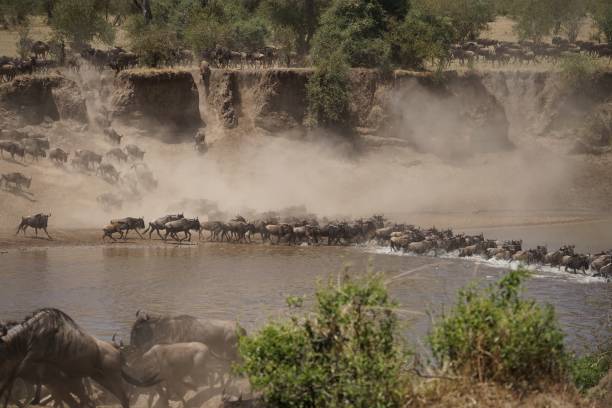
The Mara River crossings of wildebeests usually happen from July to October, and this is the region’s defining spectacle. Massive herds gather, sometimes hesitating for hours before diving into the crocodile-filled waters. Even outside migration months, this Mara River area in Serengeti stays alive with lions, elephants, giraffes, and leopard sightings. Nearby accommodations to the Mara River Area include Sayari Camp, Lemala Kuria Hills Lodge, and the Mara Mara Tented Lodge.
8. Kogatende – Northern Serengeti Region
To access this area, travelers can fly to Kogatende Airstrip or drive about 10 hours from Central Serengeti. The northern roads in Serengeti Mara are rough but offer incredible wilderness isolation. This Kotagende region is the stage for the Great Wildebeest Migration river crossings over the Mara River from July to October. Watching herds plunge into crocodile-filled waters is one of nature’s rawest spectacles in the Kotagende Area. So, this scenery here is one of the highlights in the Kogatende area of Serengeti National Park.
Also, this area is hilly and green, with fig trees and dramatic kopjes. Lastly, it is near accommodation facilities such as Lemala Kuria Hills Lodge, Mara River Tented, and Kenzan Mara Camp in Tanzania.
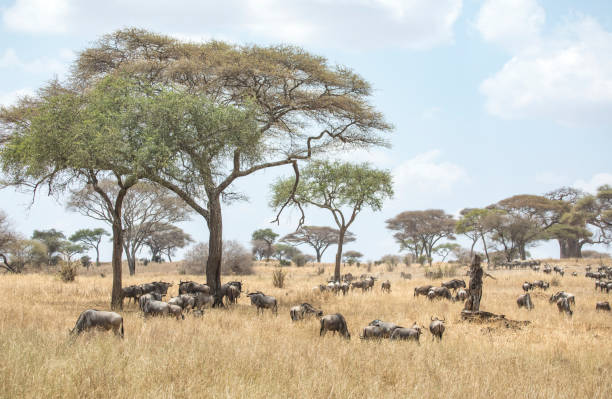
The Serengeti is not just a single park but a network of diverse, dynamic safari areas, each with its own rhythm and magic. Want the accessibility of Seronera, the migration drama of Mara River, the solitude of Barafu, or the baby-season spectacle of Ndutu? The different unique regions in Serengeti has a zone built for your dreams.
With this guide to Serengeti safari areas, planning your ideal trip becomes easier. And once you set foot on those plains, you’ll know you chose wisely. Lastly, thi is because every area in the Serengeti offers a different taste of Africa’s wild heart.