Serengeti Walking Safari: Ultimate Guide & Best Experiences 2026
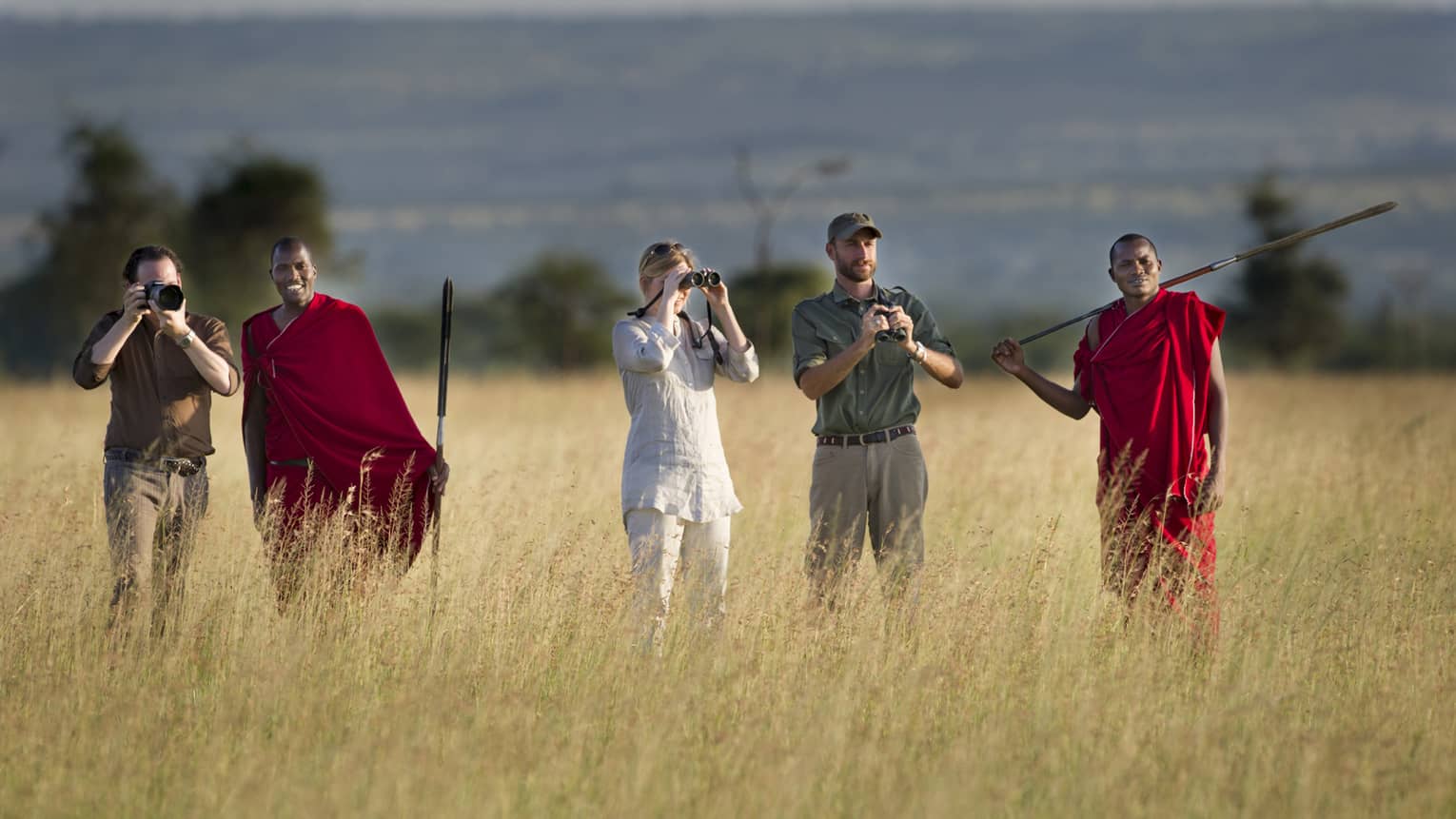
A Serengeti walking safari is the most raw and intimate way to explore Tanzania’s iconic wilderness. Unlike the normal game drive safaris in Serengeti, where travelers remain inside a vehicle. Walking safaris give travelers a feel of the real Serengeti because they hear the real sounds coming from the untamed wilderness. Also, their feet get to touch the golden plains, with the fresh scent coming from the wild plants and the wild flowers. Travelers to the Serengeti National Park are often assisted by well-trained armed guides. So, these ensure that Serengeti walking safaris are less intimidating and more enjoyable. So, they do this by sharing interesting facts they know about this iconic park in the Serengeti Mara ecosystem.
Why Choose a Serengeti Walking Safari?
- Walking safaris in the Serengeti offer an opportunity for tourists to have a more intimate view of the wilderness from a different perspective. So, this is because of how they can have an up-close view and social behavior of wildlife. Rather than having it from a far distance in the comfort of their safari vehicles. Hence, this Serengeti walking expedition creates a stronger bond between the travelers and Mother Nature.
- During the walking safari experiences in Serengeti, guides usually offer interesting facts. Also, they answer the different safari questions that are asked by the travelers. So, this is more of an educational purpose because during this walking safari, travelers gain awareness about the conservation efforts in the Serengeti.
- This walking expedition is more profitable and cost-effective because it comes with the Maasai cultural immersion. Therefore, travelers not only get to support tourism in Tanzania National Parks.
- Serengeti walking safaris contribute to the standards of living of people in Tanzania, such as guides, trackers, and rangers. The walking experience is unlike other safari kinds. So, it is easily blended in with other unique things to do in Tanzania, such as picnic stopovers, bird watching, and even scenic viewing.
Worst and Best Time to visit Serengeti for a Walking Safari
The dry season from July to early September is the best time to visit Serengeti for a walking safari. So, in these months, the grass is shorter, hence improving on wildlife and scenic visibility. However, it’s not just about spotting wildlife, but it’s also easy for guides to track and anticipate animal behavior during the dry season.
Additionally, animals concentrate around remaining water sources in the Serengeti that aren’t that many, though. When it comes to the weather during this time, it’s also ideal for the walking safaris in Serengeti. As most mornings and afternoons have comfortable weather, that is ideal for the walking safaris. Also, track roads used for the walking safaris in the Serengeti are easier to penetrate during this time because of the less mud.
The worst season to go for Serengeti walking safaris is from March to May. The weather becomes unbearable for the walking safaris because of excessive coldness as a result of too much rainfall during this season. Also, the heavy rains affect some of the trails that are used during the walking expeditions in Serengeti. This is because some walking trails get covered in mud, hence making this safari less ideal during this season.
How Walking Safaris in Serengeti Are Conducted
- Walking safari tours in Serengeti National Park are usually carried out in smaller groups of individuals. It could be 2, 3, 4, but not more than six people. Additionally, it is because this is a more intimate and crucial expedition in Serengeti, where a mistake could lead to the normal interruption with wildlife in this park.
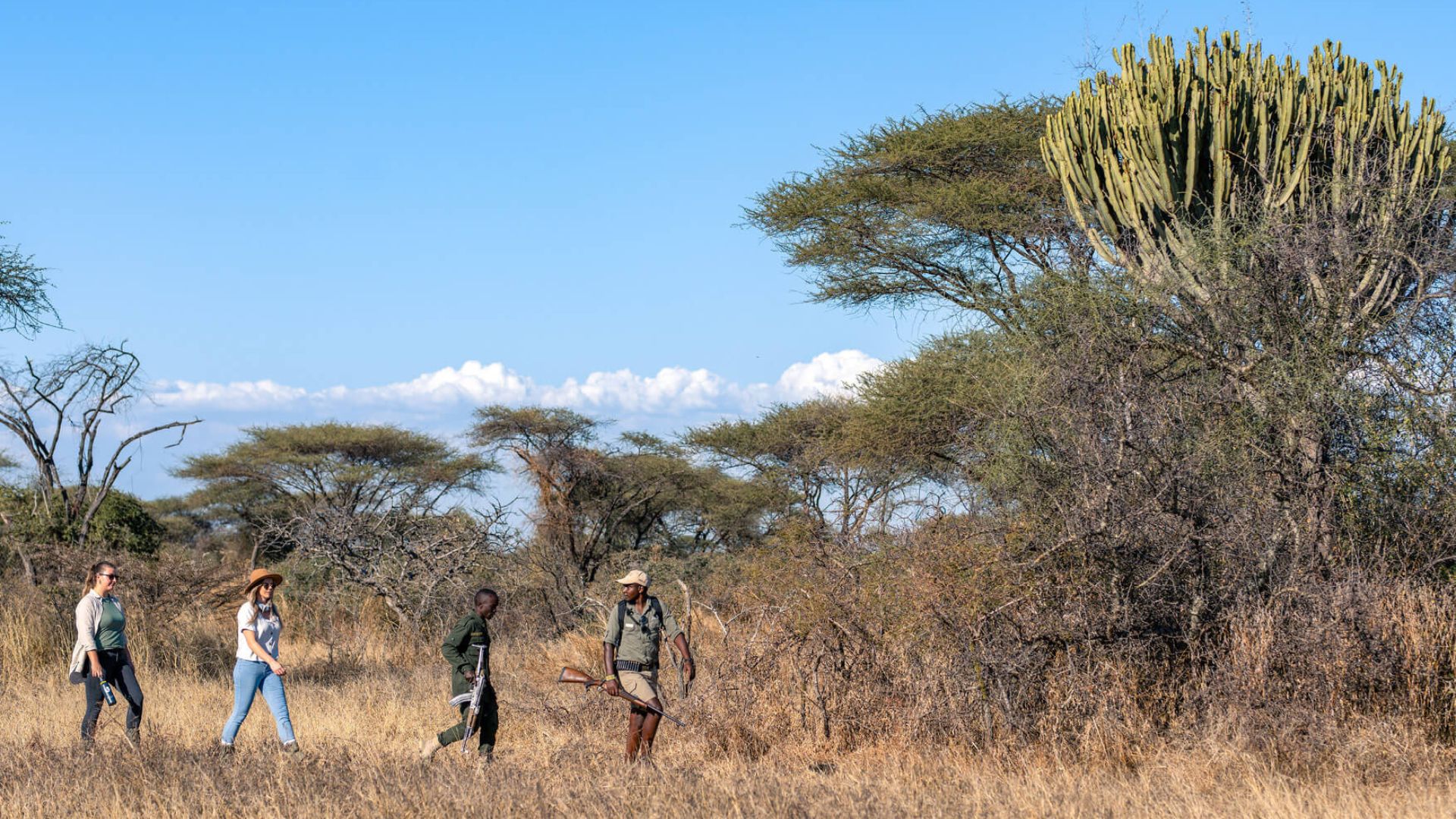
- Tourists doing walking safaris in the Serengeti are usually led by an experienced ranger and guide. These professionals are informative about the Serengeti National Park. So, they can easily lead the group to the right Serengeti safari areas with high animal activity.
- Usually, every walk starts with a briefing from the Serengeti gate, telling you about the safety precautions and the routes to be used. Also, this is a time for the Q and A for the travelers to the guide. A
- A Serengeti walking safari depends on how long one is willing to take them. Hence, could take out two days or even a week, depending on what one would want to explore in these vast, endless plains.

Best Areas of the Serengeti for Walking Safaris
1. Northern Serengeti area.
Walking safaris in the Northern Serengeti area introduce you to a great diversity of animals, including giraffes, elephants, etc. Also, this area is a great part of serenity for photographic captures. It is endowed with rolling hills that have breathtaking backdrops. Also, the Northern Serengeti area accommodates the lifeline of this park, which is the Mara River.
Additionally, the Mara River is where the dramatic Serengeti Great Migration river crossings happen from July to October. Although the terrain of some of the parts in northern Serengeti, like the Lobo and Kogatende area, could be physically demanding, it is ideal for a walking safari in Tanzania.
2. Eastern Serengeti area.
This is one of the remote parts of the Serengeti NP suitable for walking safaris. Also, the Eastern Serengeti is more exclusive compared to the other parts of this park. As there are usually few tourists who come to this region. Yet it also has an abundance of wildlife, most especially the predators like the cheetah, and the Tanzania big 5 cats like lions and leopards. So, these are usually seen around the Gol Kopjes region, which is in the eastern part of the Serengeti. In addition, this area is also ideal for wildlife viewing, and the great migration is witnessed most especially during December.
Too much when the grasses here are greener, which makes food availability to animals in abundance. And because this area has large concentrations of animals, the predators also take the chance and come to prey on the weaker victims. Hence, it is easy to track animals in the Eastern Serengeti during the walking tours.
3. Southern Serengeti.
This Southern area of the Serengeti has its striking beauty as a result of the volcanic geographical features. So, these led to the result of the Highlands in the Ngorongoro area. Also, it hosts the calving of wildebeests. So, over 1000 wildebeest calves are born by mothers of the wild per day. And witness these events in the southern Serengeti Area during the walking safari in the months from December to February.
So, get the opportunity to relate with wildlife because of the drama that happens during this time as the mothers protect their calves from the increased numbers of predators. This happens around the areas of southern Serengeti, such as Ndutu and Kusini, which you will explore during your Serengeti Walking Safari.
4. Western Serengeti.
This area of the Serengeti is one of the great endowed regions that is not only rich with wildlife sightings like the big Nile crocodiles around the Grumeti River. This usually causes a thrilling effect when the travelers watch them during the wildebeest crossing in the months from July to September. So, take this chance to witness the herds that are crossing up close on foot. Also, the western area of Serengeti has dense riverine forests that are good for the bird watching safaris. Go for western Serengeti walking safaris and witness over 1000 species, including the migratory birds.
Types of Serengeti Walking Safaris, Costs and Itineraries
1. Half-day walking safaris in Serengeti.
Half-day walking tours in Serengeti are ideal for travelers who would like to add this expedition on the other Serengeti safari experiences. Also, they are ideal for people who cannot take on a physically demanding walking challenge, most especially those with health issues that do not support the body to move long distances.
Half day walking safaris in this park cost from $50-$100 per person per day. So, this depends on which Serengeti lodge and tour company offering this expedition.
2. Full-day Serengeti walking safari holidays.
This full-day walking tour usually starts from the morning hours to the evening hours. It’s according to what one would want to cover, for example, in the morning, travelers could visit the hippo pool, and in the afternoon, they could walk towards the Grumeti River, and observe the dramatic crossing. Then, in the evening, travelers could opt for a wild wilderness dinner. Prices for a full day walking safari in Serengeti range from $250-$400 depending on what activities are included in a day’s package.
3. Multi-day walking safaris in Serengeti, Tanzania.
These usually take a couple of days and can range from a week to even a month. Also, these multi-day Serengeti walking safaris depend on what the traveler wants to cover. Lastly, prices for multiday Serengeti walking tours are higher compared to the others. Additionally, it all depends on what is in the package, but usually they can range from $500-$1000 per person.
Top Serengeti Walking Safari Itineraries
3 day Walking Safari in Serengeti
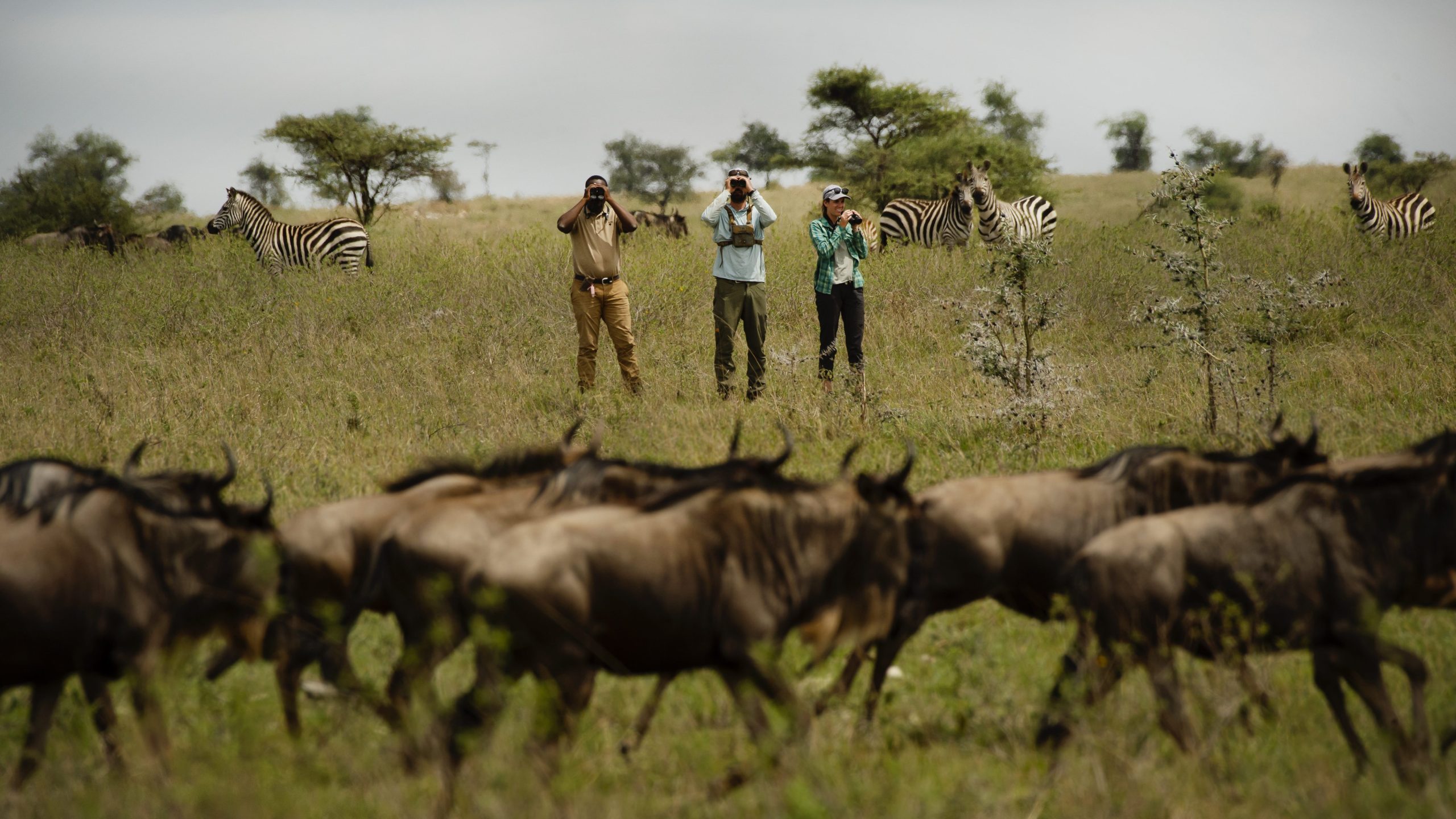
Join a walking safari in Serengeti’s quieter north: 3-day itinerary from Lobo Wildlife Lodge. Track wildlife, read the land & connect deeply; perfect dry season adventure
4 Days Serengeti Walking Safari
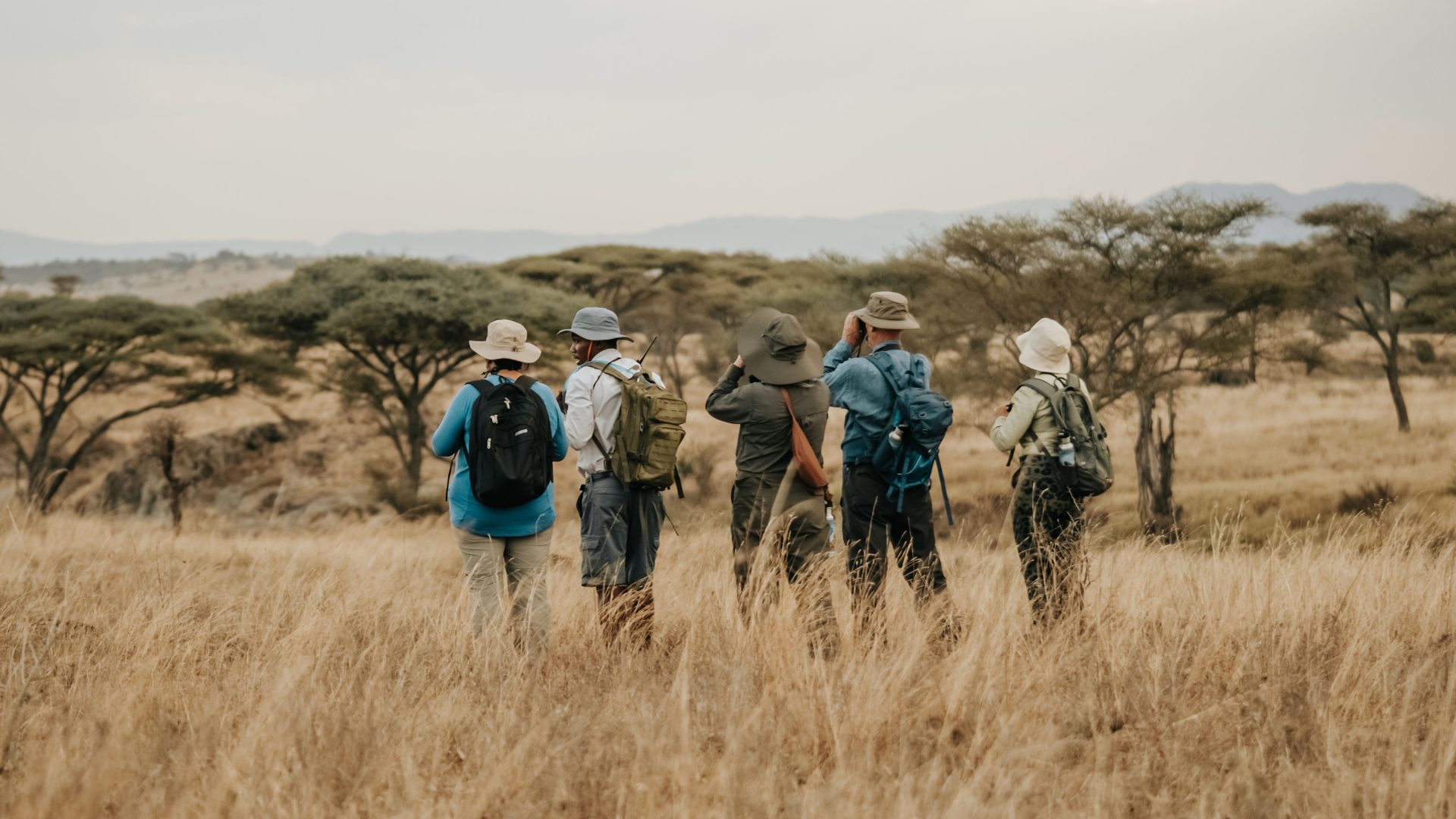
4-day Serengeti walking safari: walk quietly among lions, giraffes & zebras in Seronera Valley. Expert guides, bush meals & stunning views – ideal dry season (Jun-Oct)