Seronera Serengeti: Safari Guide for Seronera Tanzania (2026)
If someone asks me where to stay for their first-ever Serengeti safari, I don’t even hesitate: Seronera Valley.
So, the Seronera Valley is the geographic and wildlife hub of the central Serengeti. So, it is the one place in the entire Serengeti National Park ecosystem where you’re virtually guaranteed to see lions, leopards, and cheetahs every single day of the year. No chasing the wildebeest migration in Serengeti and hoping for luck. In the Seronera Serengeti Safari Area, the big cats never leave.
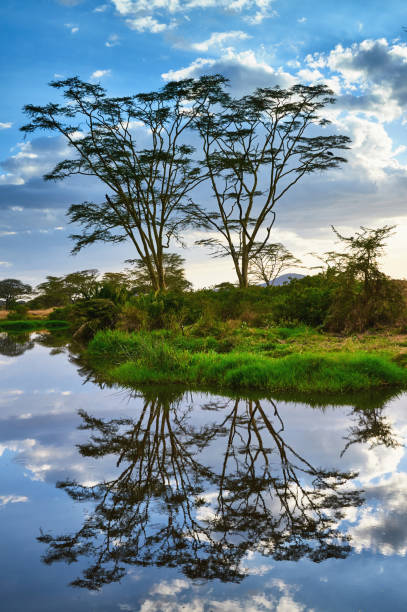
The secret? The Seronera River. It’s the only permanent water source across hundreds of square kilometres of central Serengeti. Additionally, the Seronera River winds lazily through open grasslands, shady acacia woodlands, and those iconic granite kopjes you see in every documentary. Wherever there’s permanent water in Africa, predators follow. So, in the Seronera Area of Serengeti, they’ve set up permanent residence. Resident lion prides patrol the same kopjes year after year. Also, leopards doze in sausage trees right beside the river (this is honestly one of the best places in Tanzania and on the continent to photograph tree-climbing leopards). Lastly, the cheetahs use the open Seronera plains and termite mounds as their personal hunting grounds.
Worst-Best time / Accessibility / Top Serengeti Seronera Safari Experiences / Seronera Lodges
What makes Seronera Valley even more special is how easy it is. You’ve got one of the busiest airstrips in Serengeti (daily flights from Arusha in just 45 minutes), which is the Seronera Airstrip. Also, the main visitor centre, ranger post, and the biggest choice of the best luxury Serengeti lodges and camps. So, that is from the classic Seronera Wildlife Lodge (built right into the rocks) to the ultra-luxurious Four Seasons.
Most places are just 10-45 minutes from the Seronera airstrip, so you can land and be watching a leopard before lunch.
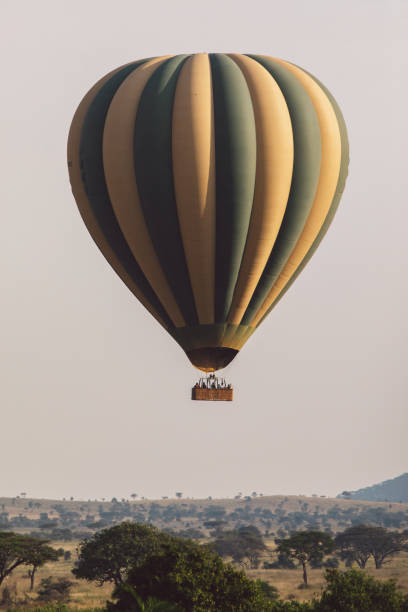
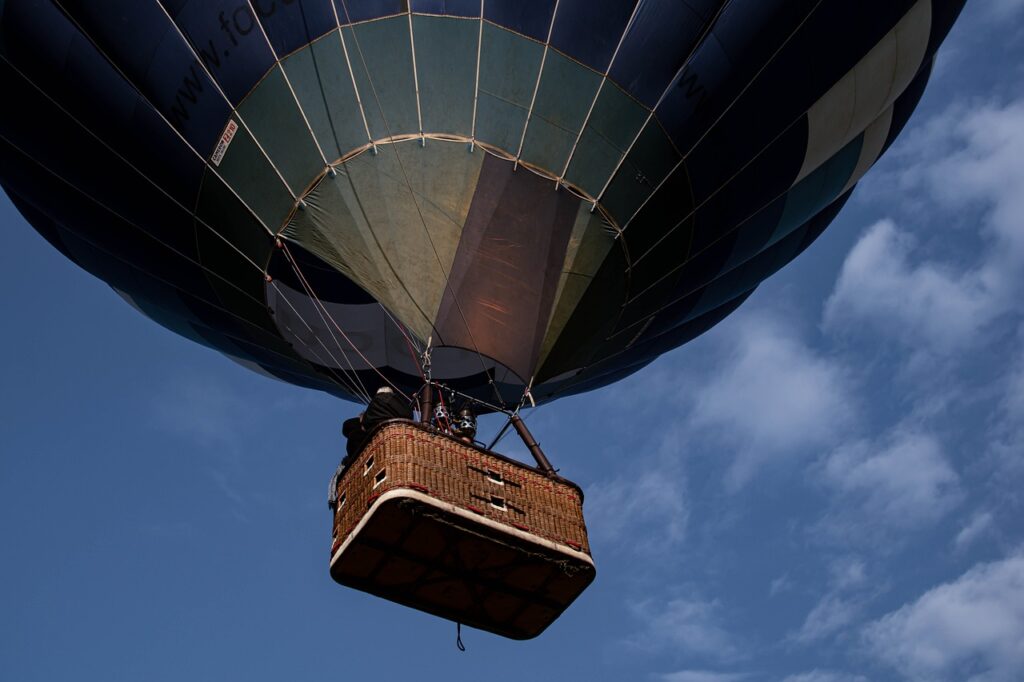
Also, Seronera Valley is the home of the famous Serengeti balloon safaris. Almost every balloon in the Serengeti launches from right here at dawn, drifting silently over the valley while lion prides yawn below you.
For first-timers, photographers, families, or anyone who simply wants the classic, unforgettable Serengeti experience without the gamble. Seronera in Tanzania is still the gold standard, as recommended highly by our Serengeti Masai Mara Experts. Year-round big cats, dramatic landscapes, and every comfort you need all in one perfect spot.
When to Visit Seronera Area of Serengeti National Park - Best and Worst Times
The best time to visit Serengeti’s Seronera Region is from June to October in the dry season. This season gets the most consistently productive for sightings, especially for the big cats in Seronera. The dry weather shortens grass and concentrates animals near permanent water like the Seronera River. So, predators and prey are easier to see, for instance, in July, you are more likely to watch a lion pride hunt in open grass. This is because visibility is high and animals pack near the Seronera River.
The other ideal time to visit the Seronera area of the Serengeti National Park is from December to early March. However, you can witness the animal migration at Seronera and the birth of wildebeest calves. So, this depends on that year’s migration pattern. Large herds and calves may move through or near the central Serengeti. Calving draws predators and scavengers, hence optimal sightings of predator-prey relations.
The worst time to visit Seronera in Serengeti is from March to May. Also, this period has long rains that can be the least convenient for wildlife viewing in Seronera. The heavy rains make some access tracks in the Seronera valley slow or temporarily impassable. Hence, Seronera safari experiences in Serengeti, like balloon flights, are frequently grounded due to the unstable weather.
Why Visit Seronera in Serengeti National Park Tanzania?
- Seronera’s combination of kopjes, open plains, and perennial water supports resident lions, leopards, and cheetahs year-round. For example, Serengeti safari guides in Seronera commonly locate leopards near trees by the river, and lion prides on rocky kopjes. So, this makes Seronera Valley uniquely reliable for big-cat photography compared with peripheral areas where predators are strictly migratory.
- Additionally, the Seronera Valley has the Seronera River and, with its gallery forests, creates microhabitats for hippos. Also, water birds and primates are present even in dry months.
- Hence, it’s a great area for optimal wildlife viewing. For example, hippos wallowing at midday in the Seronera river provide a close, dramatic scene for a photographer. Because this permanent water source is a magnet for animals. Therefore, tourists in this Serengeti Safari Area who want predictable viewing are fit for this region.
- Lastly, Seronera is one of the easiest hubs that travelers use to access the Serengeti since it also has an airstrip. This is a visitor center and has many lodges clustered nearby. Lastly, this region is the typical launch point for hot-air balloons in Serengeti. For example, balloon operators board guests near the Seronera area at dawn for panoramic flights.
How to Get to the Seronera Valley in Tanzania
Get to the Seronera Area by air using Seronera Airstrip. This is the most convenient central air gateway to the Serengeti in Tanzania. Seronera Airstrip offers scheduled shuttle and charter flights from Arusha, Kilimanjaro, and other regional hubs. A 40-50 minute flight from Arusha lands you at Seronera mid-morning. So, you can be on your first drive the same day. Sample published shuttle fares and timetables exist and vary by operator and season.
By road, the main overland approach road transfers from Arusha via Ngorongoro Conservation Area and enters the Serengeti via the Naabi Hill Gate. Then follow park tracks to Seronera Valley. The time for road transfers from Arusha to Seronera Serengeti is estimated to be in-between 6-8 hours and over 320km. Usually, the 4 by 4 safari vehicles in Tanzania are used for comfort and easy traversing of the remote road tracks in Seronera.
The 9 best things to do in Seronera Area of Serengeti
1. Game drives in Seronera.
Game drives in the Seronera Valley are adventurous because of its dense resident predator population. Also, with a mix of terrain like the kopjes, open plains, and riverine trees. So, these features make both ambush and pursuit behaviors visible. For example, you can watch a cheetah use a termite mound to scan for gazelles. Also, this is a combined scene that is harder to catch in the dense southern wetlands or the northern Seronera woodlands. There are higher chances of one seeing the Tanzania big 5 animals in Seronera. So, see lions, leopards, elephants, buffaloes, and rhinos in just one game drive in the Seronera valley.
2. Walking safaris in the Seronera Area of Serengeti
Because Seronera has a visitor center, experienced rangers and established track networks. So, short guided nature walks are possible in Seronera Valley. For instance, a ranger uses nearby spoor to teach guests how to read lion, hyena, and elephant tracks in real time. Therefore, walking safaris in Seronera are very educational about conservation and wildlife behavioral patterns. The terrain is open and gently rolling, making it safe and rewarding for beginners. Especially, those who want to feel part of the Seronera ecosystem without heavy climbing.
3. Seronera Photography Safari Experiences.
The Central Serengeti Valley has short grass that makes raised photographic subjects like kopjes easily visible for photographers. This is because animals are close and relaxed due to long-term vehicle presence. Hence, this allows intimate shots without stress during game drives in the Seronera Area. The reflective Seronera River scenes combine to create high-contrast, clean compositions, making capturing nature shots memorable.
4. Bush Meals and Sundowners in Seronera Serengeti
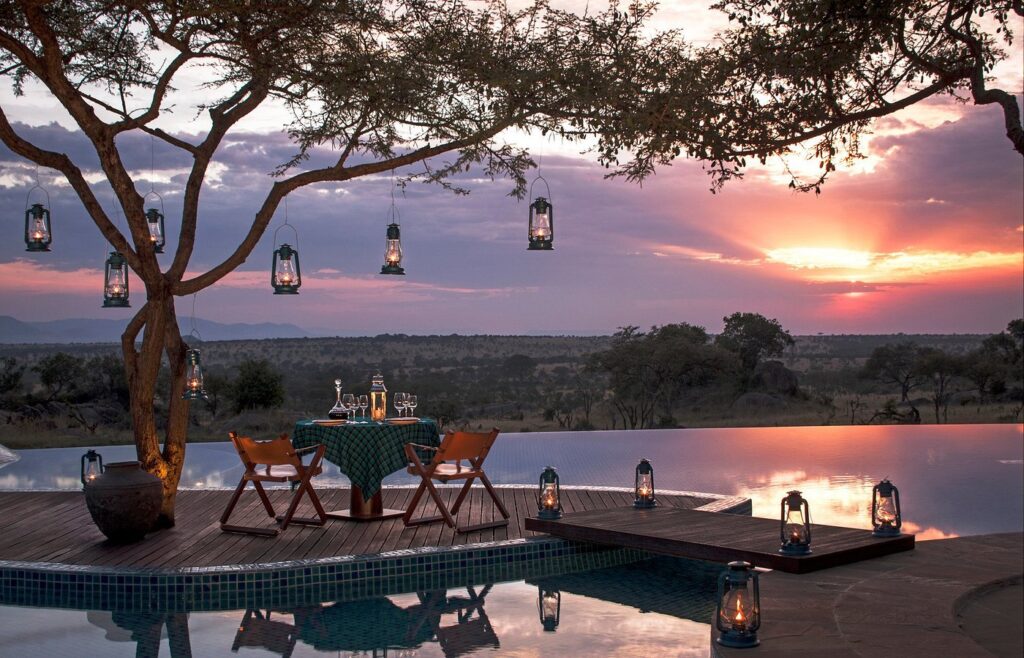
Seronera open spaces make it ideal for bush breakfasts and sunset drinks. Imagine breakfast under a flat-topped tree, with porcelain dishes, fresh fruit. And the smell of bacon sizzling from a portable stove while a herd of impalas grazes nearby. At sundown, chairs and lanterns are set up on a small hill. Also, drinks are served as the Seronera plains below turn golden, and the skyline is wide and uninterrupted. So, here, the sunset feels infinite.
5. Witnessing the Wildebeest Migration in Seronera Valley
Small wildebeest herds are seen traversing Seronera between November to December in the North of this area. Also, from March to April in the South Seronera. The open plains along the Seronera River, Makoma Hill slopes, and Seronera kopjes are also great for predator encounters. You’ll see wildebeests grazing, resting, and sometimes crossing shallow streams. Lions, hyenas, and cheetahs often trail these herds in Seronera, creating spectacular predator-prey dynamics. Early morning and late afternoon game drives in Seronera offer dramatic lighting and cooler conditions. Lastly, these animal migration events in Seronera Tanzania are ideal for photography and spotting elusive predators.
6. Maasai Cultural Tours in Seronera Area
Maasai villages are outside the Serengeti park boundary. But within 30-60 minutes from Seronera lodges, like the Seronera wildlife lodge. So, visitors engage in traditional dances, beadwork lessons, and spear-throwing demonstrations. Also, they learn about the daily lifestyles of the Maasai like cattle herding practices on their Seronera expeditions.
Some villages are on elevated plains, so wildlife such as giraffes, zebras, and dik-dik may graze nearby. Hence, it creates a unique juxtaposition of culture and nature. However, early morning visits are quieter and give better chances to observe both wildlife and traditional activities in Seronera.
7. Birdwatching safaris in Tanzania’s Seronera Valley.
Seronera boasts over 400 bird species, including African fish eagles, lilac-breasted rollers, and yellow-billed storks. Other popular birds in Seronera include hammerkop, hornbills, and migratory birds like European bee-eaters. The best locations in Seronera Valley for birding experiences are the Seronera River banks for waterfowl. Also, raptors, the Kopjes edges, and woodland patches for hornbills, turacos, and smaller passerines. From November to March, one can witness the arrival of migratory species in Seronera. Lastly, dry months allow easier spotting as birds gather around water sources, especially the Seronera River.
8. Observing the Big Cats in the Seronera Valley.
This area in central Serengeti has high predator densities, especially the big cats. Hence, this makes it one of the best destinations in Africa to study big cats in their natural habitat. Lions are usually found near Moru Kopjes, rocky outcrops, and ridge areas. So, these are their territories, and prides are often observed resting during the heat of the day and hunting early or late. On the other hand, leopards are seen in trees along the Seronera River and dense acacia patches. Cheetahs prefer open plains near Mahoma Hill and surrounding kopjes. So are usually seen in the short grass stalking prey, often with cubs nearby in sheltered thickets.
9. Seronera Balloon Safari Experiences
Balloon operators prefer Seronera because this area offers wide, safe landing areas. Also, this area offers excellent wildlife sightings below when on their balloon rides. So, a photographer can capture sweeping plains with scattered kopjes and moving herds below. Also, the proximity of many Seronera lodges in this area means guests can be transferred straight from a lodge to the launch site in Seronera easily.
The Best Seronera Wildlife Lodges in Serengeti (2026–2027)
1. Serengeti Serena Safari Lodge
This Seronera lodge sits on a ridge directly overlooking the Seronera Valley. Additionally, it’s essentially in the Seronera hub with transfers from Seronera Airstrip to this lodge being just 10 minutes long. So, this means quick access to morning drives in Seronera and Central Serengeti. Serengeti Serena Safari Lodge has classic stone rondels, an infinity pool, and a sweeping bar terrace that looks out over the central Serengeti plains. Hence, this lodge makes a strong choice when you want comfort immediately adjacent to great game circuits. Lastly, Serengeti Serena Safari Lodge prices range from $200 – $400 per night and this varies with the number of people.
2. Seronera Wildlife Lodge
This lodge in Central Serengeti is extremely close to Seronera Airstrip and Visitor Centre. In addition, it takes almost 15 minutes to transfer from Seronera to this lodge. So, this means guests can maximize game time. However, Seronera Wildlife Lodge offers service-focused accommodation built into the rock’s cape. So, you feel embedded in the valley with the terrace overlooking waterholes where giraffes and buffalo may show up in the late afternoon. Prices per night for the luxury Seronera Wildlife Lodge range from $300 – $500, depending on how many people are staying.
3. Kiota Camp.
This is a permanent tented camp in Central Serengeti. It takes an estimated 20-minute drive from Seronera Airstrip to get to Kiota Camp in Seronera. So guests have very short transfer times to field activities. Hence, Serengeti Seronera safari experiences, like game drives, are optimized. Kiota Camp is a permanently sited tented camp with elevated canvas tents on decks that give uninterrupted views across a valley. For instance, you can fall asleep listening to hyena calls with the tent flap open to the plains. Lastly, Kiota is a great camp for cat sightings in Tanzania. The prices for this affordable luxury Seronera Camp are between $300 – $450 per night.
4. Kati Kati Tented Camp in Seronera and Central Serengeti.
Kati Kati is a classic mobile camp in Serengeti that is about 45-60 minutes from Seronera Airstrip. So, this depends on the camp’s seasonal location in central Serengeti. Hence, Kati Kati Tented Camp gives you a first-hand feel and impression of the Serengeti plains during the first drive from Seronera. Kati Kati tented camp is a semi-permanent mobile camp with the feel of old-school safari in the Serengeti. In addition, it offers communal dinners under the stars, campfire stories, and close access to migration routes. Lastly, the prices per night for Kati Kati Mobile Camp range as low as 80$ per person.
5. Four Seasons Safari Lodge Serengeti
This is a luxurious lodge in Serengeti’s Seronera. From Seronera airstrip, you can have a 45-minute drive depending on the exact vehicle route and wildlife traffic to get there. So, even if it is kind of distant from the Seronera Airstrip, travelers enjoy a scenic drive to Four Seasons Safari Lodge Serengeti.
Among the services offered here is a spa, an infinity pool, elegant dining, and conservation programs. The latter are blended with front-line wildlife viewing and so on. Package prices of rooms per night at Four Seasons Safari Lodge Serengeti are usually between 1000$-2000$
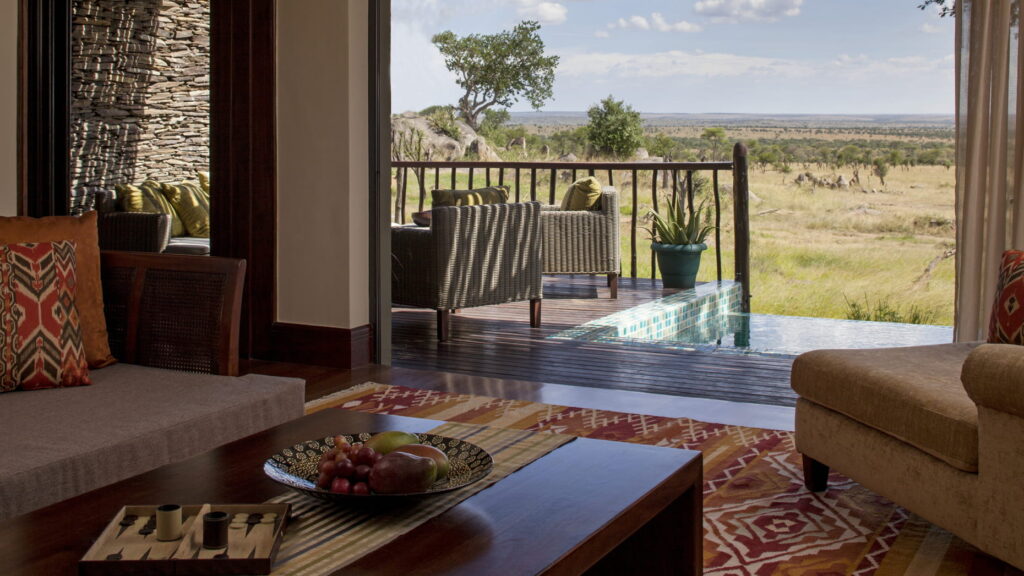
The wilderness view | Four seasons safari lodge
Top Selling Seronera Wildlife Safari Packages
4 days Serengeti Seronera Flying Safari
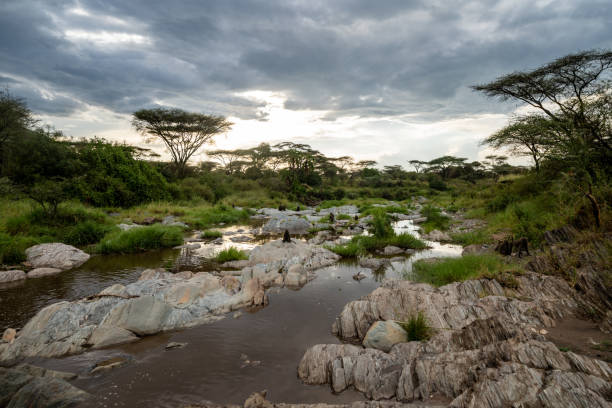
Book a 4-day Serengeti Seronera flying safari with Big Five game drives, wildebeest migration, scenic flights, and hand-picked lodges.