Serengeti Rules: Complete Guide to National Park Regulations & Visitor Safety
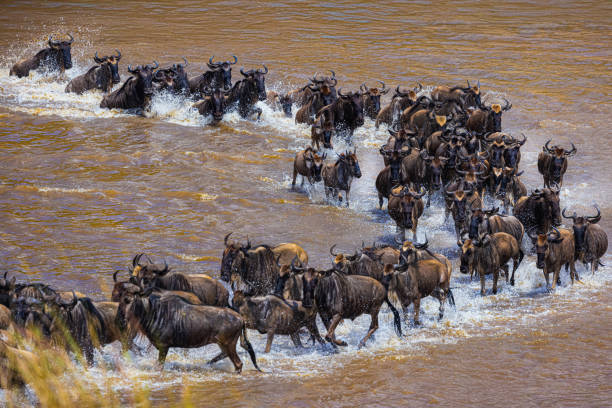
Understanding the Serengeti rules is one of the most important parts of planning a successful safari in Tanzania. Covering nearly 15,000 square kilometers (5,700 square miles), Serengeti National Park supports over two million wildebeest, hundreds of thousands of zebras and gazelles, and an extraordinary concentration of predators, including lions, leopards, cheetahs, hyenas, and endangered black rhinos.
However, this attracts tourists from around the world, from international to African countries. So, strict regulations are in place because without organization, humans would encroach on the Serengeti and do whatever they want. Hence, wiping out these animals and leaving nothing left to see. To protect this ecosystem and also promote visitor safety, strict Serengeti rules are enforced by the Tanzania National Parks Authority (TANAPA). Respecting Serengeti rules benefits both tourists and the environment, especially those on wildebeest migration tours, calving season in the Ndutu Area, or other wildlife safaris.
These regulations and standards ensure that wildlife in Serengeti National Park acts naturally, habitats are protected, and tourist safety is maintained. This is done so that future generations can continue to enjoy this UNESCO World Heritage Site, not to restrict your Serengeti safari experience.
Lastly, learn all you need to know about the Serengeti rules book guide, including how to observe wildlife, how to drive, how to camp, how to take pictures, and how to use drones. Also, understand wildlife preservation policies, safety tips, and helpful advice for first-time visitors to the Serengeti.
Why the Serengeti Rules Are Critical
- Since the animals in Serengeti National Park are still wild even after being placed there, regulations have been put in place to prevent humans from encroaching on their habitat. So, these regulations include limiting the number of permits granted to visitors who pay Serengeti Entry Fees and managing crowds at wildlife viewing locations.
- The Serengeti National Park is a major source of food and water for wild animals. If waste is dumped and off-road driving is allowed, the water would become contaminated, and the volcanic soils that support the growth of nutrient vegetation would be destroyed. Hence, this would starve the animals and kill them.
- Animal patterns in the Serengeti National Park, like the Great Migration of wildebeests, rely on movement via unobstructed passages. So, if tourists to the Serengeti Park are allowed to set up campsites anywhere or drive anyhow following the herd, they could hinder the movement of these wild animals, especially wildebeests and zebras.
- Lastly, safety for the visitors is also one of the top priorities in Serengeti national park that’s why there are rules. Additionally, the guests have to distance themselves from the wild animals in the Serengeti plains because when they are provoked, they easily become aggressive.
Official Serengeti National Park Rules
General Visitor Rules in Serengeti National Park
-
Carry a Valid Serengeti National Park Permit. Entry into Serengeti National Park is only permitted with a valid park permit issued through TANAPA or arranged by a licensed tour operator like Serengeti Masai Mara Experts, Tanzania National Parks or Goar Africa Safari Tours. The Serengeti national park might over-permit night driving but in the restricted areas of the park
-
Respect Park Opening Hours. Serengeti National Park generally operates between 6:00 AM and 6:00 PM for standard visitor activities to do in Tanzania. So, that’s when you are supposed to move within the park’s premises. In the night it is very unsafe for both the tourists and the wild animals, as the tourists can easily be attacked by the nocturnals. Or even knock them during an unauthorized night game drive. So, if you find timing within the Serengeti breaking this rule, you might pay a penalty fee of $100.
- Stay and always follow your guide’s instructions. Remain in your vehicle at all times unless you are at the picnic points or your camp or luxury lodge in Serengeti or you are given a heads-up by your safari guide. So, this is to avoid any inconveniences like being attacked by a leopard that was scanning the ground for food, and you became an easy target when you moved out of the vehicle.
Driving Rules in Serengeti National Park
- When driving in the Serengeti national park on the main track pathways, drive under 50 km/hr. Even if you observe larger animals in the park, it also has smaller wildlife like the snakes and birds that might be in the way of your vehicle. So, if you are speeding, you are likely to crash into these animals, and if caught driving past the speed limit, the penalty is around $50. Lastly, when you head towards Seronera Valley, the speed limit lowers to 25 km/hr since this Serengeti Area has a large density of wild animals.
- Because of the delicate volcanic soils in the Serengeti National Park, safari vehicles are only allowed to drive on designated gravel roads. Therefore, even if you want to pursue a cheetah that has run into the thickets, you must stay on the main tracks to prevent soil erosion caused by the tires of the safari vehicles. If you are caught, you may even be fined $200.
- To avoid upsetting the animals, if a herd of zebras or any other animal wishes to cross your path while you are driving in the Serengeti, you should stop your automobile and wait for them to do so before continuing with your activities.
- Additionally, you should create noises of any kind, such as honking the automobile, clapping, shouting, and trying to make animal sounds. Or even playing music, as this frightens the animals in Serengeti because they are unfamiliar with all of those sounds.
Wildlife Viewing Serengeti National Park Rules
- Keep food in containers and eat at designated picnic sites or in your vehicle because animals like baboons and olive monkeys could attack you if you feed or show them food.
- Camp in Serengeti National Park only at designated sites to avoid blocking animal passages and being preyed on by predators like lions. Trained armed rangers provide security, and if caught in non-camping areas, you may be fined $250.
- Dispose of your waste at assigned spaces. This is made easier during game drives because the vehicle has trash bins. Plastics are non-biodegradable and degrade the soil, and foil can be toxic to animals and make them sick.
- Smoke in designated Serengeti safari areas at your camp, but not during game drives or elsewhere. So, this is to avoid starting wildfires, which destroy wild animal habitats and kill some of them. If caught smoking, you must pay at least $200.
- Drones are prohibited in the Serengeti due to their potential to disrupt wildlife, like crashing into birds and posing a hazard to wildlife. Those detected possessing drones during their Serengeti holiday face confiscation and a fine of approximately $850.
- Do not possess any firearms, and these are checked for at the Serengeti entry gates and exit points.
- Taking souvenirs from Serengeti National Park is illegal due to the importance of the ecosystem and wildlife. Bags and vehicles are checked at all park gates.
- Do not carry any household animals like the dogs and cats into the park since they can carry diseases that can easily be transferred to the rest of the animals. When caught, you might not be allowed to enter the park.
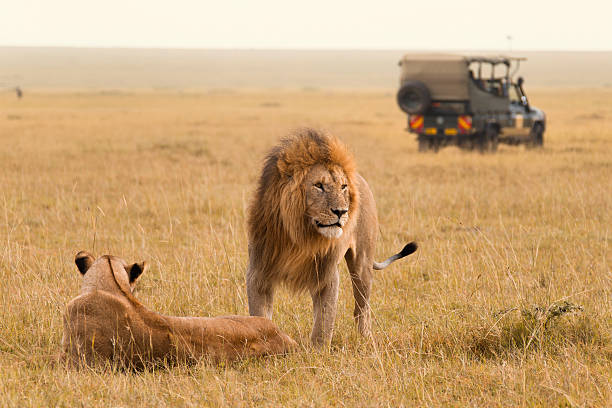
- Keep a 25-meter distance from wild animals, and also, vehicles allowed at the wildlife sightings in Serengeti are not to be more than 5.
Final Thoughts on Serengeti Park Rules
The Serengeti rules are designed to protect its wildlife ecosystems and people as well. By following these regulations, you contribute to the conservation of the Serengeti, its wildlife, and its Great Migration phenomenon.
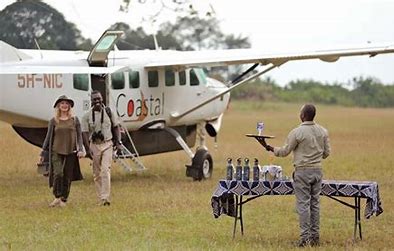
When planning your adventure, be it for game drives, birdwatching, photography, or a luxury Serengeti fly-in safari, choose an experienced safari operator. So, use one that prioritizes conservation, safety, and exceptional service. At Serengeti Masai Mara Experts, our professional guides enforce park regulations while delivering unforgettable wildlife encounters across Tanzania’s premier national parks.
Frequently Asked Questions About Serengeti Rules
1. How long are the Serengeti National Park permits valid for?
Park permits for the Serengeti are valid for 24 hours from the time you enter the Serengeti.
2. If your vehicle breaks down at 6:00 PM when you are on the game drive, what happens?
You are supposed to call the Serengeti Park authorities or even the lodge or hotel where you are staying. They will send help, but stay within your vehicle; do not move out.
3. Can I photograph the animals in the Serengeti during the game drive?
Yes, but flash photography is prohibited, as it scares the animals or even makes them aggressive.
4. What if I want to go to the toilet during a game drive in the Serengeti?
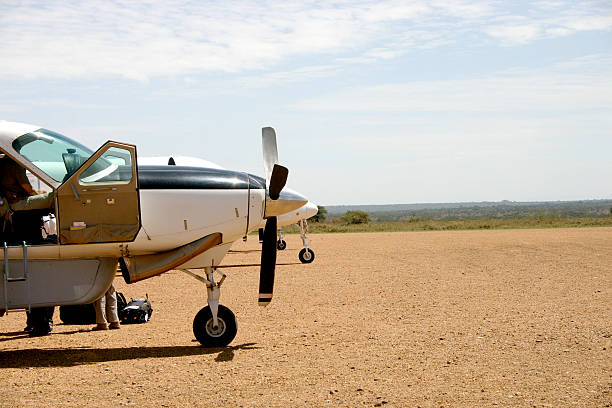
You are to drive or be driven to the designated restrooms at the gates, picnic sites, lodges, or even Serengeti airstrips, and this is to avoid surprise animal attacks
5. Is smoking allowed during a safari in Serengeti?
Smoking is only permitted in designated Serengeti areas at camps or lodges. It is prohibited during game drives and in areas where it could increase the risk of fire.
6. What happens if I break Serengeti rules?
Depending on the offense, you may receive a fine, have equipment confiscated, be removed from the Serengeti National Park, or face legal action.
7. Can I bring my pet into Serengeti?
No. Domestic animals are not permitted inside Serengeti NP because they may introduce diseases and disturb wildlife.
8. Is off-road driving allowed in Serengeti National Park?
No. Off-road driving is generally prohibited inside this park because it damages vegetation, contributes to soil erosion, and disturbs wildlife.