Serengeti Safari Costs 2027 | Prices Per Day, Packages & Budget Guide
Planning a safari to Tanzania’s world-famous Serengeti National Park? One of the first questions travelers ask is “How much does a Serengeti safari cost?” The answer depends on several factors, including transportation and safari duration. A Serengeti safari tour cost can range from a few hundred dollars per person per day for a basic camping safari to more than US$1,500 per person per day for a luxury or flying safari. The final Serengeti safari cost depends mainly on the number of days, accommodation, season, group size, transport, park fees, and included activities to do in Tanzania.
For most visitors, a Serengeti safari forms part of a longer Tanzania itinerary that may also include Ngorongoro Crater, Tarangire or Lake Manyara, which can further affect the total cost. So, plan a trip to the Serengeti National Park that matches your budget with the Serengeti Masai Mara Experts. Travelers to Tanzania must be aware of the price of a safari in this Tanzania national park, as it may exceed their budget. This 2027 Serengeti safari cost guide explains typical prices for budget, mid-range and luxury safaris, what your money covers, the main expenses to consider, and how to choose a safari that fits your budget.
Serengeti Safari Costs at a Glance
How Much Does a Serengeti Safari Cost in 2027?
A Serengeti safari in 2027 typically costs around US$250-$400 per person per day for a budget camping safari, US$45-$700 for a mid-range safari and US$800-$1,500 or more for a luxury safari. High-end fly-in safaris can cost considerably more. These figures are estimates. The final Serengeti safari cost depends on the number of travelers sharing the vehicle, accommodation, season, transport, and what is included in the package.
| Serengeti Safari Type | Serengeti Safari Price Per Person Per Day | Best For |
|---|---|---|
| Budget camping safari in Serengeti | $250-$400 | Travellers prioritising price |
| Mid-range safari | $450-$700 | Comfort and value |
| Luxury safari | $800-$1,500+ | High-end Serengeti Tented camps and services |
| Luxury Serengeti fly-in safari | $1,500-$3,500+ | Comfort, convenience and remote Serengeti areas in Tanzania |
Serengeti safari costs should be presented as estimates and updated regularly. The final cost of a safari in Serengeti depends on group size, season, accommodation, itinerary, and inclusions. So, request for a quotation from the Serengeti Masai Mara Experts for the updated Serengeti National Park safari costs and plan accordingly.
What Determines the Serengeti Safari Prices? : Budget Cost Breakdown
1. Transportation to Serengeti National Park
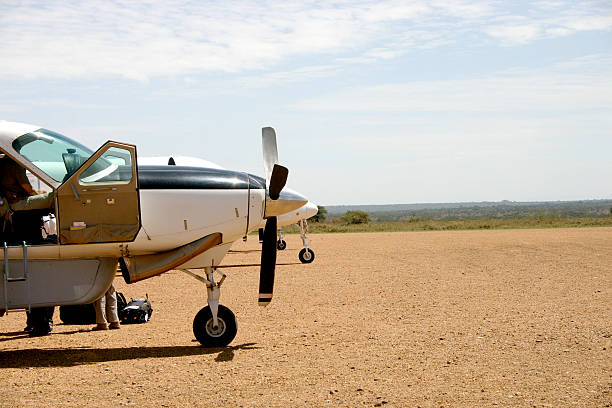
How are you going to access the Serengeti National Park? Is it by road using of a 4×4 vehicle or by air in an aircraft? Are you looking at saving time or enjoying the road trip scenery to this park? This all depends on the traveler; however, road transport is less costly compared to air transport, even though it is more time-saving. If you don’t have a car, you must rent a 4 x 4 in Tanzania for road transportation to the Serengeti.
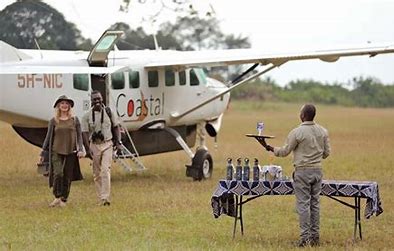
Additionally, these vehicles are the only ones permitted in the National Park, and they can cost up to $280 per day. However, the cost varies depending on the type of vehicle, and occasionally the traveler may need to pay for their own fuel. So, that should be taken into consideration when using road transportation. Airlines such as Coastal Aviation can charge approximately $270 for a direct flight and approximately $400 for the return trip.
2. Serengeti Safari Duration
The 5-day Serengeti tour is more expensive compared to a 3-day Serengeti trip due to excess days. However, the 6 days are more cost-effective since the costs between the days would be cheaper compared to the first and last day. So, this is not the same for the 3-day safari where both days are priced the same and one can enjoy optimum experiences like full-day game drives and additional leisurely activities like sundowners. Therefore, these might not be possible for 3 days. Hence, even though a low number of days would make the safari less cheap, one would benefit more from a bigger number of days.
3. Serengeti National Park Entrance Fees
Depending on their nationality and supporting papers, adult foreigners to Serengeti must pay a fee of $70. Children pay $20, adults who live in Tanzania pay $35 and children pay $10, but adults who are citizens of East African nations pay TZS 10,000 and children pay TZS 2000. However, children under five years old, regardless of nationality, are admitted free of charge.
Nevertheless, for those that are staying within the Serengeti National Park, there are additional concession fees: Adult foreigners are charged $82 and children $23, Tanzanian residents are charged $41 and children $11, and citizens of any African nation are charged TZS 11,800 for adults and TZS 2360 for children; children under five are not charged.
NOTE: The cost of the Serengeti permit fees often varies according to the season. So, during the high season, the Serengeti safari cost tends to rise, while during the low season,, the cost is typical because of varying permit fees.
4. Time of Year (Are you visiting Serengeti in the low or high season?)
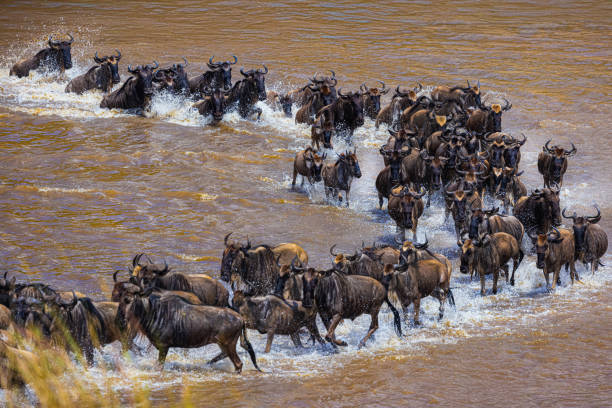
The peak season, which typically lasts from the best months to visit Serengeti from July to October, coincides with a significant migration and a large influx of tourists in the park. Due to the high demand, transportation, permit, and lodging costs all rise, but this is the best time to see wildlife in the Serengeti. So, this is because most animals congregate in the swamps or riverine beds.
Hence, one should book early and plan if they are to have a safari in Serengeti during this time, which is not the case of the rainy season. So, rainy season months in Tanzania are from March to May, when only a few tourists come through, whereby safari prices for Serengeti are forced to reduce. Also, it is a very affordable time and a green season that is ideal for photographers and those that love birding expeditions, as migratory bird species come to the Serengeti during this period.
6. Group Size going for a trip to Serengeti
Group size heavily influences the Serengeti safari prices as we shall see below. When a group of eight people travels to the Serengeti, they are likely to save more money. This is because prices are typically charged per vehicle, and accommodations typically offer family suites, so they can split the costs among themselves. In contrast, when solo travellers or two people travel to the Serengeti for a safari, they pay a lot for what might be sufficient for a group of eight people. However, some costs, like park fees, are charged per person, so occasionally a group of two could be saving more money.
7. Additional Costs to Consider for your trip to the Serengeti
If you are booking a safari in the Serengeti, whether you are to use tour operators like Serengeti Masai Mara Experts, Goar Africa Safari Tours, or Tanzania National Parks or book via an accommodation, there’s usually something that is excluded from the itinerary. But like the tips or personal expenses, like buying souvenirs or shopping in the supermarket, or even some additional experiences like birding safaris, could be left out. Therefore, your budget for the costs of a Serengeti tour should include all these inclusions.
8. Accommodation Choices to Choose for your Serengeti Tours
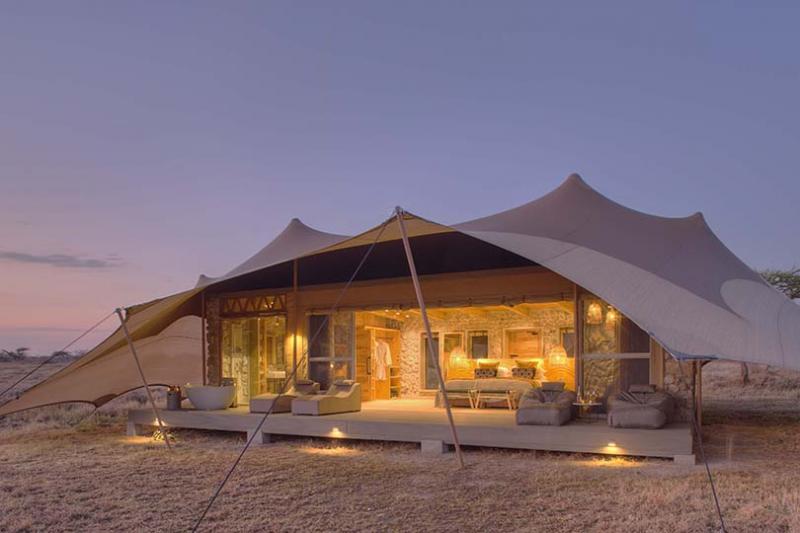
When it comes to lodging in the Serengeti National Park, no one is left out. Those who want to camp can do so at the Seronera Public Campsite, which costs about $27. There are also reasonably priced mid-range accommodations, such as the Serengeti Simba Lodge, which is a little more private and costs about $160.
However, if you want a luxurious safari, you need more deluxe high end Serengeti lodges, like the Four Seasons Safari Lodge, but your budget must be at least $800. Therefore, the cheaper the safari lodge in Serengeti National Park, the lower the safari cost.
Average Serengeti Safari Costs
Here’s a rough estimate of what most travelers spend on a safari in Serengeti National Park, Tanzania:
Most Serengeti safaris are 3-7 days, so the average total trip cost looks like:
- Budget: $900-$2,000
- Mid-Range: $1500-$4000
- Luxury: $3,500 to $10,000+
These Serengeti prices estimates generally include meals, accommodation, a professional safari driver, a Safari vehicle 4×4, game drives, water to drink, airport transfers (on selected packages), and International flights; visas are generally not included. an an an an an an
Serengeti Safari Activity Costs
1. The hot air balloon safaris in Serengeti.
Serengeti hot air balloon safaris are some of the most expensive experiences in this park. Although this balloon experience in this park takes at most 60 minutes, the labor itself is expensive. So, this is because a licensed, trained pilot must ride it, and his crew consists of at least 15 people. The cost per person is approximately $550, but it is worthwhile because you get to see 360° of the endless plains of Serengeti NP. Hence, allowing you to observe what is not visible during game drives.
2. The game drives in Serengeti.
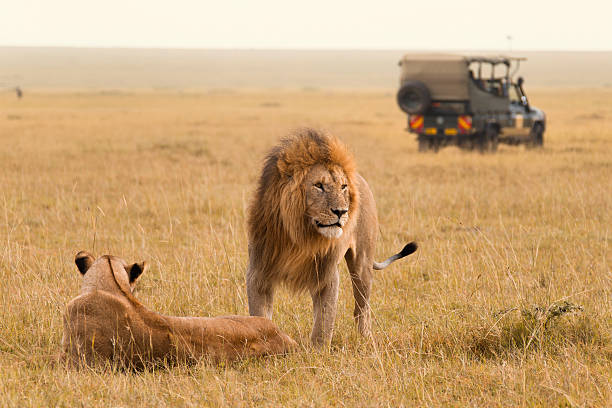
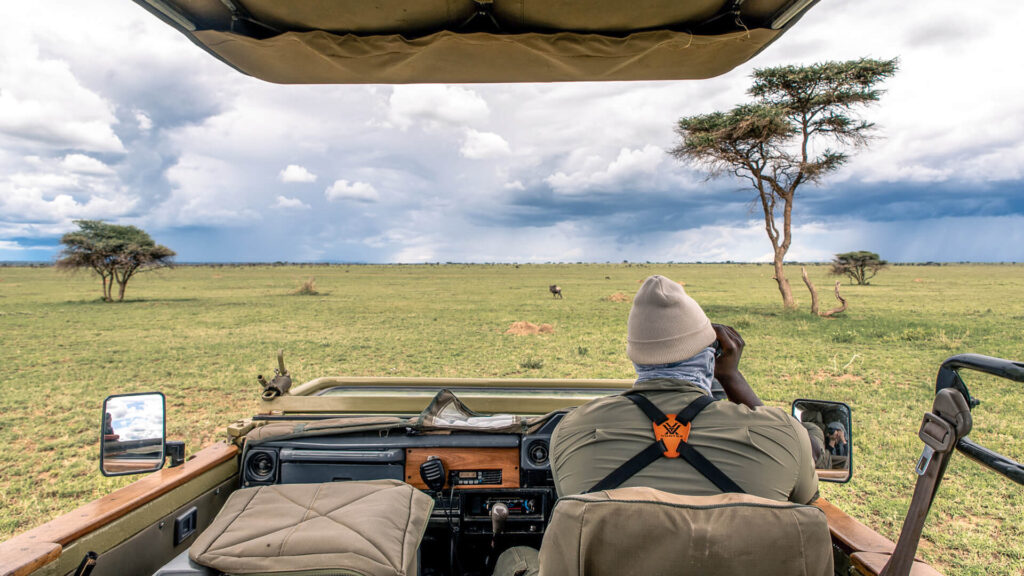
Game drives are a common and popular safari experience in the Serengeti National Park. Game drives allow visitors to see wildlife in Serengeti from the comfort of their 4×4 safari vehicle, either in the window or on the open pop-up rooftop. The cost of this experience in the Serengeti National Park could be around $100 per day, but it would only cost about $60 for a morning game drive.
3. Nature walks.
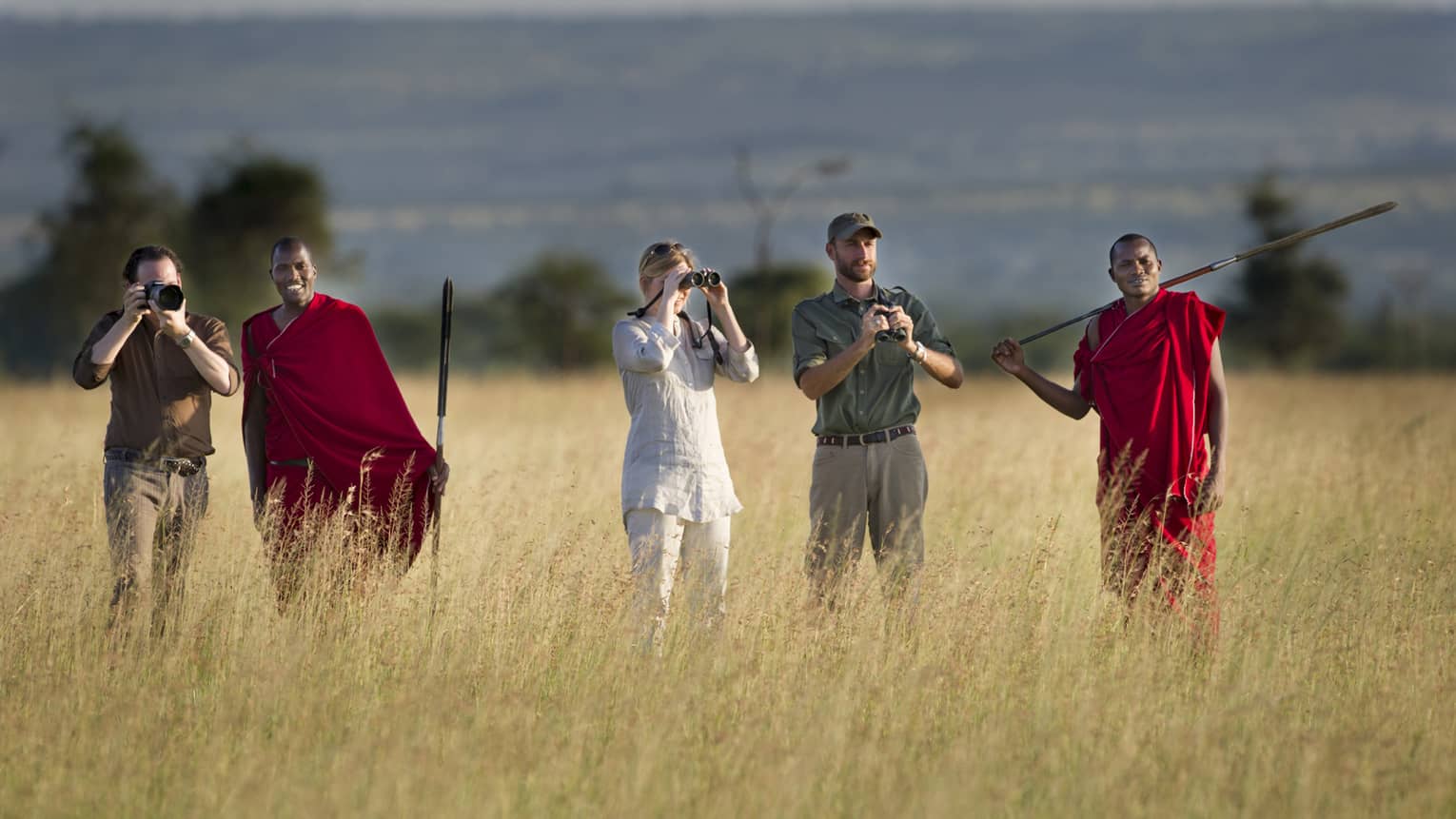
Rather than the use of the safari vehicle, here you explore the Serengeti’s boundless grounds on foot with a guide and armed ranger. Study the different flora and their uses, and also every wildlife species is explained to you during the Serengeti walking safaris and guided nature walks. With an addition of some of the historical Maasai cultural insights, you can be charged about $40 for hikes and nature walks in this park.
4. Maasai cultural immersion in Serengeti.
Here, meet up with the Maasai people and interact with their elders as you get accustomed to their traditions. Learn about their day-to-day lifestyles and how they support their community, which has also contributed to the existence of the Serengeti National Park. Adding the Maasai culture visits in your Serengeti itinerary increases your safari cost by at least $98 per person.
5. Birding safaris.
For bird-lovers who are looking for specific bird species in the Serengeti National Park, this experience comes at a price of about $100 per day. So, this is because this Serengeti birdwatching expedition requires an expert guide who is knowledgeable about the birds and their habitats.
In conclusion, the Serengeti safari prices of these experiences are what determine how much the tour in the Serengeti will cost.