Masai Mara Walking Safari | Affordable Guided Nature Walks with Maasai Guides in Kenya
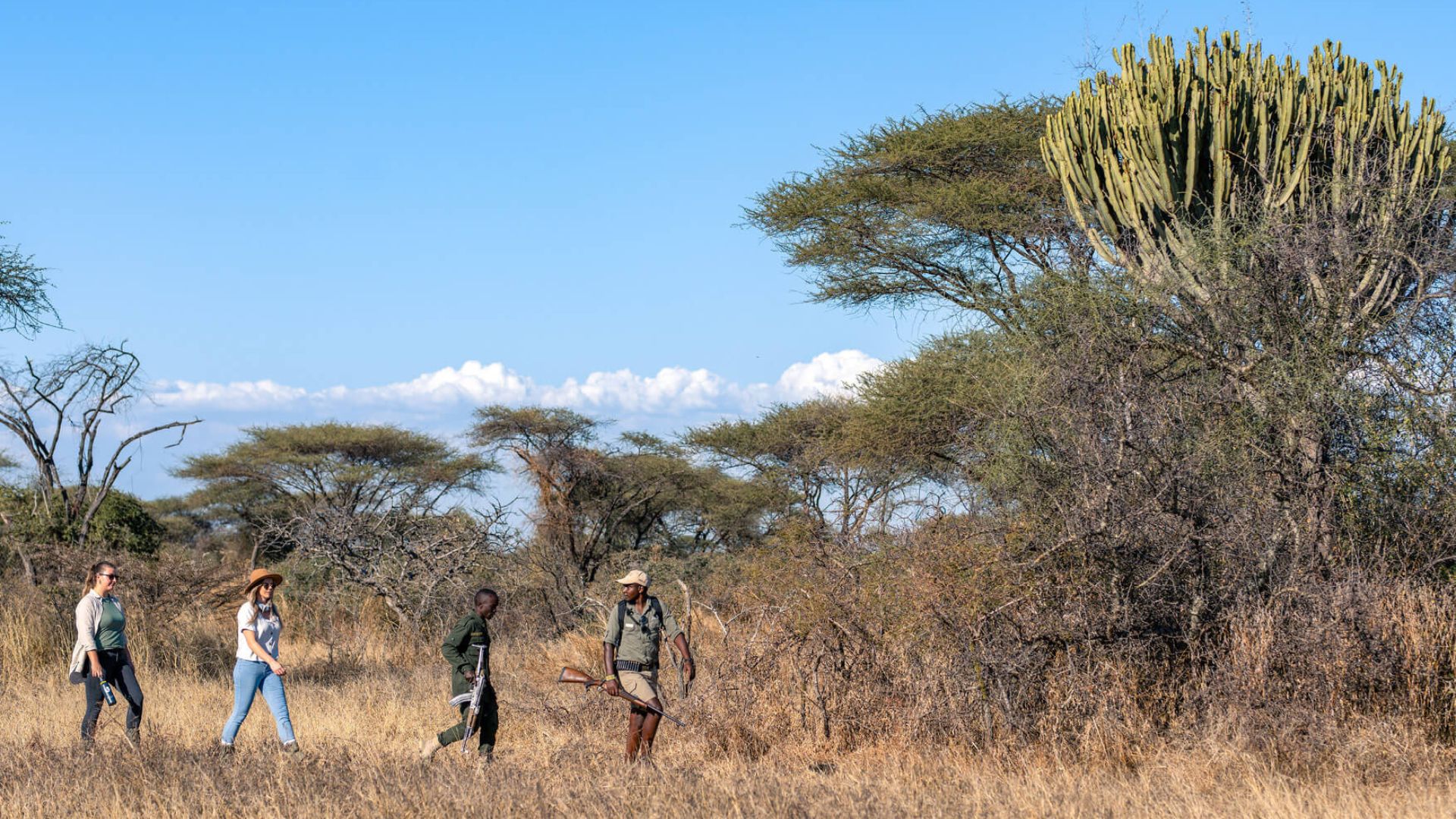
A Masai Mara walking safari is one of the best ways to experience Kenya’s world-famous wilderness. Unlike traditional game drives, walking through this reserve’s bushes allows you to appreciate the smaller details of its ecosystem. Additionally, prepare to learn directly from experienced Maasai guides and professional armed rangers when you walk alongside them in Masai Mara. Serengeti Masai Mara Experts presents our reasonably priced guided walking excursions in private Masai Mara National Reserve conservancies.
As long as a private Masai Mara conservancy complies with strict safety regulations, walking is permitted there. With fewer vehicles, beautiful scenery, and brilliant opportunities to understand the complex relationships between local Maasai communities, wildlife, plants, and insects, these conservancies provide a distinctive safari experience through walking expeditions. Every walk within this reserve is a fascinating lesson in nature. So, your Maasai guide will teach you how to identify animal tracks, interpret wildlife behavior, identify medicinal plants, and understand bird calls.
Also, learn how every species contributes to the health of the Masai Mara ecosystem. For example, you will learn how the whistling thorn acacia forms a remarkable partnership with ants that protect it from browsing herbivores or how indigenous plants have been traditionally used for food and medicine. A well-crafted 1-day, 2 days or 3 day Masai Mara walking safari allows you to experience the sights, sounds, and scents of the wilderness at ground level as you gain a deeper love of Maasai culture and conservation, alternatively to game drives.
Masai Mara walking safaris: Why go on one?
- Walking in Masai Mara gives a greater sense of respect for its ecosystem because you are directly involved in it rather than looking at the animals from afar in your 4×4 safari vehicle. So, you have a more up-close observation of animals in Masai Mara like a giraffe looking down on you. Or even if a sense of fear goes through your veins, you get an awe-inspiring sense of how great the raw wilderness is.
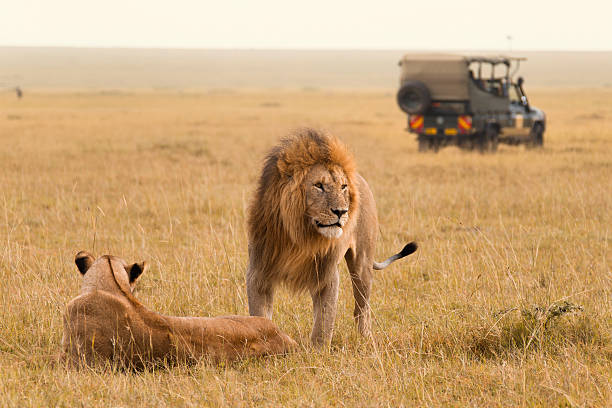
- As you follow the lion’s footprints to where it dragged its victim during the previous night’s hunt during your Masai Mara guided nature walks, you witness the beginning of a predator-prey action on this safari, which sharpens your instincts.
- This is a two-for-one Masai Mara safari experience: while you stroll around the Mara plains, you can ask any questions you have about the history and culture of the Maasai people and participate in walking expeditions.
- There are fewer distractions on a walking safari in Masai Mara than on a wildlife drive. In addition, the noise of your safari 4×4 rental in Kenya may divert visitors’ attention and cause them to miss minute details like the sounds made by an olive baboon perched atop an acacia tree.
- Masai Mara walking safaris are also beneficial to one’s physical health since they increase blood circulation, which boosts fitness and helps combat conditions like high blood pressure.
Masai Mara's top must-visit places for walking safaris in Kenya
1. Olare Motorogi Conservancy.
Situated in the northern region of the Masai Mara National Reserve is the Olare Motorogi Conservancy. Additionally, this conservancy is a 25-minute drive from the Olare Orok airstrip in Masai Mara. From the main gate of the reserve, it takes about 30 minutes to drive up here. So, the walking expeditions here are more focused on tracking down micro species like the chameleon and insects.
Also, learn the ancient techniques that were used to stalk animals when you walk in the Olare Motorogi Conservancy. Lastly, Masai Mara Tented Camps like the Mara Plains, Mahali Mzuri, and Porini Lion Camp in the Olare Motorogi Conservancy offer walking expeditions. During walking safaris here you might observe elephant herds grazing at a distance and also get to observe new tracks of predators like the lions.
2. Ol Kinyei Conservancy.
Walking tours in the Ol Kinyei Conservancy are more focused on landscape exploration. So, travelers observe the marked territories of the big 5 animals in Kenya like the rhinos. Also, birding is included, whereas in the northeastern region of the Masai Mara is where you find this conservancy. So, see Kirk’s dik-dik and the hooded man during the walking safaris at this conservancy.
Also, spot birds like the kori bustards resting in the marshlands when hiking in this area. Lastly, from Ol Kinyei airstrip, it takes about 26 minutes to reach this conservancy, and from Sekenani Gate, about 45 minutes.
3. Mara Naibosho Conservancy.
This conservancy is also located in Masai Mara’s northern section. It is roughly a 25-minute drive from Ol Seki Airport or a 45-minute drive from the main gate. The big cats are the primary attraction in Mara Naibosho. During walking safaris in the Mara Naibishi Conservancy, you might observe lions moving into the dense riverine forests of the Masai Mara National Reserve. Additionally, you might also notice fresh carcasses that have been left behind after the night kill in this reserve.
4. Olderkesi private reserve.
Privately located in the southern region of the Masai Mara, this reserve can be accessed via its private airstrip, which is a 15-minute drive to the Ololeng’ei. Alternatively, from the Masai Mara main gate, this reserve is approximately a 2-hour drive, and floral and herbal species are the focus here during the walking safaris.
Maasai warrior survival techniques are also taught in this Masai Mara area when you opt to do trekking expeditions here. So, observe beautiful waterfalls, colobus monkeys, and Verreaux’s eagles during your walking tours.
Best Luxury Masai Mara Tented Camps for Walking Safaris
1. Naibosho camp
Located in the Mara Naibosho private conservancy with about 9 canvas tents. So, each tent has a private balcony where one sits and watches the sunset with an infinity pool and an exquisite outdoor shower. The Masai Mara National Reserve walking tours here are mostly dedicated to tracking down the lion movements, as this camp is situated in an area that has one of the highest pride concentrations not only in this park but also in Africa.
2. Saruni Mara.
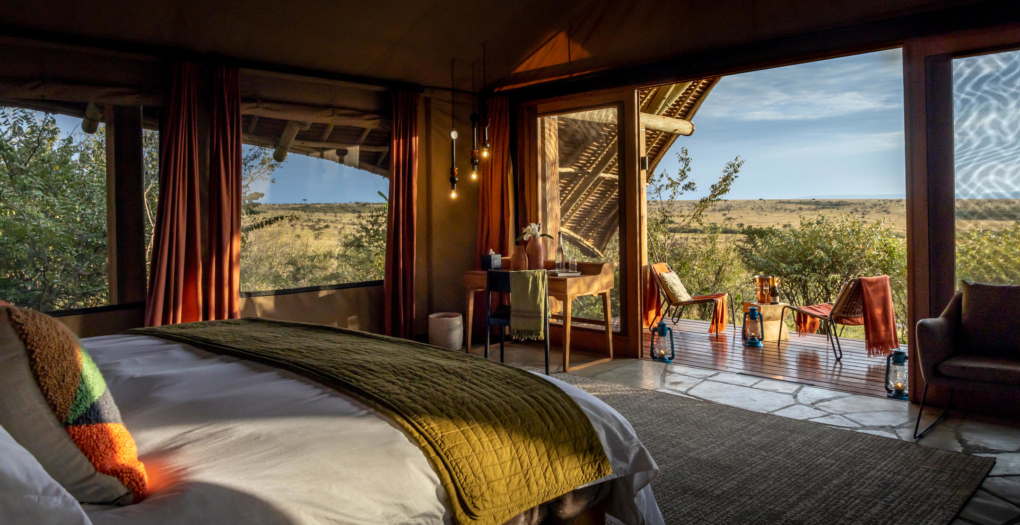
This camp is located in the northern region of the Masai Mara within the Mara North Conservancy. Its exterior is inspired by the Maasai traditional huts, and the rooms are self-contained with a spacious private deck overlooking the rolling hills of the Masai Mara. So, the trekking safaris here are more focused on studying the environment and also teaching one about how our ancestors would use the environment to predict what time it is. However, they also offer night drives and also hot air balloon safaris in Masai Mara.
3. Mara Plains camp.
The Olare Motorogi, a conservancy in the northern part of the Masai Mara National Reserve. It offers opulent en-suite tents with bathtubs and stunning views of the Ntiakitiqk River, where herds of elephants come for water. Masai Mara hiking safaris are more immersive because there aren’t many people. So, if you’re more interested in finding big cats, lions, and leopards, this is the ideal camp.
4. Karen Blixen Camp.
Located in the Mara North Conservancy, there are more than twenty roomy canvas tents with private bathrooms and toilets, as well as a relaxation area with an infinity pool. The walking trips in Masai Mara focus more on tracking the Masai Mara’s rivers and birding tours, so if a traveler is interested in these, this is the ideal place to stay.
5. Cottar’s 1920.
This exclusive and luxurious camp is situated in the Olderikesi Conservancy in the southern plains of the Masai Mara National Reserve. Each room has a lounge where you can unwind in the early morning while eating breakfast and watching the sunrise. Masai Mara hiking tours at this camp focus on tracking the footprints of our ancestors and teach you survival skills like building fires. Also, learning about floral species and their therapeutic uses.
Types of Masai Mara Walking tours in Kenya
1. The short morning bush walk in Masai Mara.
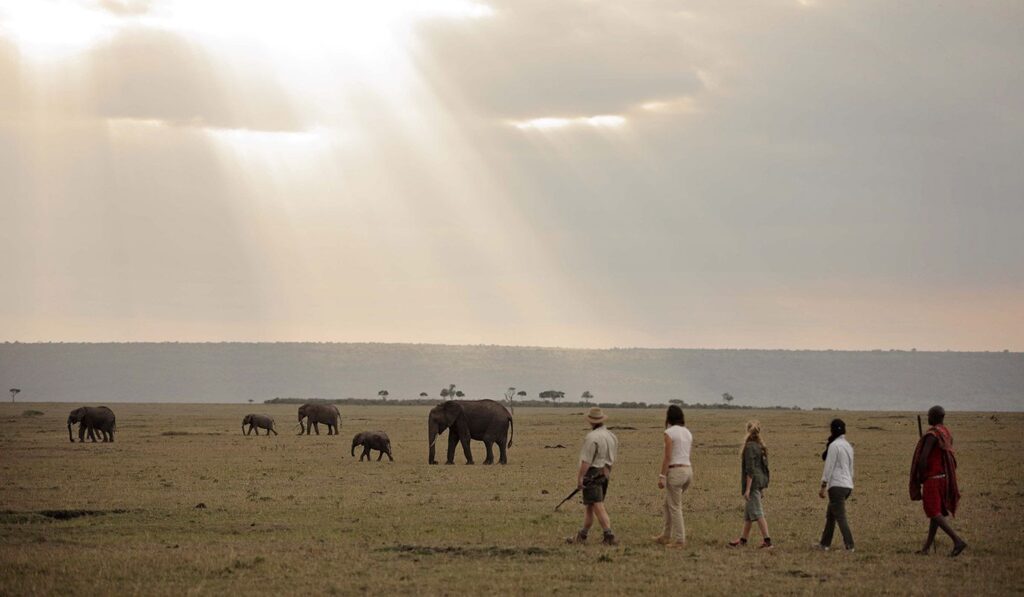
This one is done in the early morning before sunrise and takes between 1 and 2 hours, depending on how fast you are moving. So, you usually observe lion or leopard tracks in Masai Mara from the night hunt before, and a bush breakfast is usually offered after the bush walk.
2. The wildlife-focused walk
This is longer than the morning walk, as it takes more than 3 hours. So, usually it is conducted in the early afternoons, and tracking the Kenya big 5 animals is usually the focus. For example, see lions, hippos, and rhinos; however, you do not approach these wild animals closely, as they are dangerous. You do it from afar.
3. The Maasai Walk.
The Maasai guide shows you the ancient survival techniques used back then. Also, learn how to track down hidden gems like rivers and some wild animals. With every observation, a detailed explanation is given during this hike in the Masai Mara and how some plants are medicinal.
4. Multi-day fly-camping walking safaris.
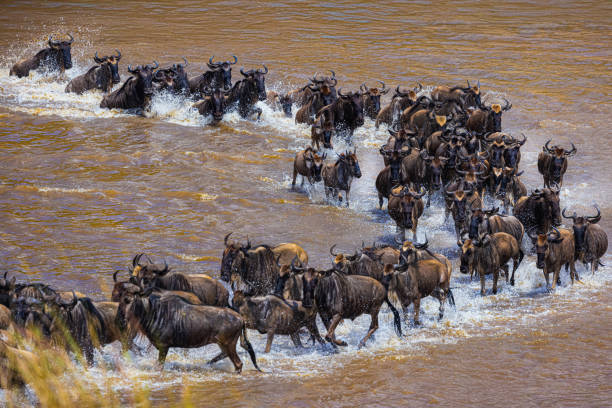
Unlike the other types, you get to camp in the wilderness of this reserve. Hence, it makes you more closely bonded to the wilderness and cut off from the outside world. Here, you spend two days or longer walking through the conservancies, possibly in search of the Great Wildebeest Migration in Masai Mara.
When is the best time for a walking trip in Masai Mara?
The longest dry season, which runs from July to October, is the best time to visit Masai Mara for a walking safari in Kenya. So, this is because the tracking paths in the reserve for animals with smaller footprints are easier to see. After all, the soil is firmer and drier than it is during the wet seasons, when animal footprints may get lost in the mud.
This time of year also coincides with the great migration dates in Africa, which makes it simpler for the Maasai guides to follow the movements of the herd. On a hill, you can see the striking river traverse, and nature hikes are pleasant because of the mild Masai Mara weather.
The process of hiking expeditions in the Masai Mara.
The first step is a briefing when you meet up with the Maasai guide, wherein he gives you safety tips to follow during the walk. So, these include things to avoid, the importance of hand signals, and also how important it is to walk in a single line. Then you start your hike by walking in a single line with the Maasai tracker, followed by the guide in front. Then you follow, and the armed ranger is behind you for protection, and with the help of the wind, the guide tracks the movements of the wildlife in Masai Mara.
When you’re signaled to stop, the guide explains the details of what you’ve encountered, which could be a herd of wildebeests or a fossil of an elephant. When you get near wildlife, you stay hidden and observe it from afar. So, usually after the walk, a lush celebratory meal is prepared and arranged for you in advance.
Our Popular walking Masai Mara tour packages in Kenya
3 days Masai Mara walking tour
Book our affordable 3 day walking tour in Masai Mara National Reserve. Enjoy sightseeing tours in Kenya’s reserve and watch animals upclose.
Frequently Asked Questions
1. Why are walking safaris not allowed in the Masai Mara National Reserve but in the private conservancies?
The main reserve is crowded, and the wild animals roam freely without being monitored, unlike private conservancies like the Mara North, where you walk just within and security is top-notch.
2. Are walking safaris safe in Masai Mara?
Yes, because you get to move with not only skilled Maasai guides who are knowledgeable about animal behavior but also armed rangers for security.
3. What is the age limit for walking tours in the reserve?
Most private conservancies around Masai Mara do not allow children aged below 14 years.
4. What is the estimated cost for walking safaris in Masai Mara?
Usually, walking safaris are included in most accommodations’ packages; however, the Masai Mara safari cost for this experience is around $55 per person, independently.
5. Is fly camping possible during walking safaris in Masai Mara?
Yes, you can camp temporarily at the designated area during walking safaris in the Masai Mara National Reserve.
6. Can you touch the floral species you see on the way?
You are not to touch or eat anything unless you have permission from the Maasai guide.
7. What is the best way to dress for a walking safari in the Masai Mara?
Wear light clothes, as heavy clothes can make one uncomfortable during the hike. Also, wear waterproof hiking boots to easily navigate the rough tracks in the Masai Mara.