Masai Mara Weather: Complete Guide to Climate, Seasons, Temperatures & Best Time to Visit (2027)
Introduction to Masai Mara Weather and Climate
The Masai Mara weather and climate play a major role especially during wildlife safaris and helps you choose the best travel dates, pack appropriate clothing, safari cost budget effectively. From the timing of the Wildebeest Migration in Masai Mara to wildlife viewing, birdwatching, photography, and even lodge prices, weather influences almost every aspect of a visit. At an elevation of 1,500-2,180 meters (4,900-7,150 feet) above sea level, Masai Mara National Reserve enjoys a pleasant tropical highland climate cooler than other Kenya parks.
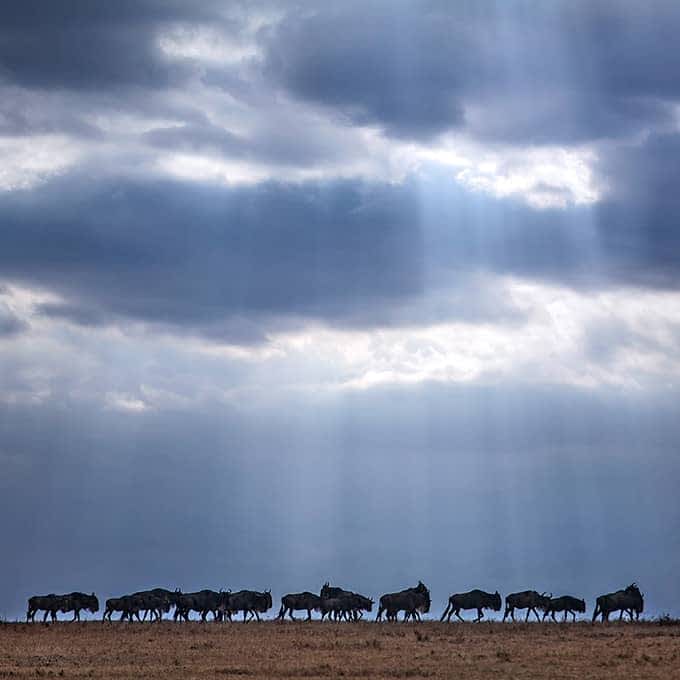
Daytime temperatures generally range between 24°C and 28°C (75°F–82°F), while nighttime temperatures fall to 10°C–15°C (50°F–59°F). Hence, making early morning and evening game drives with the Serengeti Masai Mara Experts refreshingly cool. The reserve covers almost 1,510 square kilometers (583 square miles) and is part of the larger Serengeti Mara ecosystem. Each year, wildebeest, along with hundreds of thousands of zebras and gazelles, migrate between Tanzania’s Serengeti National Park and Masai Mara in search of fresh grazing created by seasonal rains.
Why Masai Mara Weather and Climate Matters for Your Safari
This exceptional migration event is entirely driven by changing weather patterns and rainfall distribution across this ecosystem. Unlike other places to visit in Kenya with extreme seasonal variations, the Masai Mara climate is mild for most of the year, but there are noticeable differences in rainfall between the seasons. The reserve has two rainy seasons and two dry seasons, each with its own special benefits to travellers.
Good weather conditions, especially during the dry season between July and October, make Masai Mara plains more fit for photography and wildlife viewing since animals concentrate around permanent water sources like Mara River. So, this is more breathtaking than when the weather is wet, from March to May. Mornings and nights get colder and the temperatures end up being extremely uncomfortable but fit for birdwatching, photography, and fewer-crowded safaris.
Masai Mara Climate Overview
Masai Mara National Reserve is elevated at approximately 5,000 feet in the Southern region of the Equator. Hence, it experiences a mild temperate tropical Climate with two dry seasons and two rainy seasons as mentioned above. So,the longer dry season in Masai Mara runs from July to October where the days are more sunny, the sky is clearer. Also, those months are the best time to visit Masai Mara for a safari in Kenya.
Also, from January to early March there’s another dry season but shorter with lighter showers. Secondly, the wet season in Masai Mara is from March to May when the mornings and nights the temperatures drop to 12°C. Additionally, there’s a shorter wet season from the late October to December but the rains reduce abit in the reserve.
The Masai Mara Climate Graph
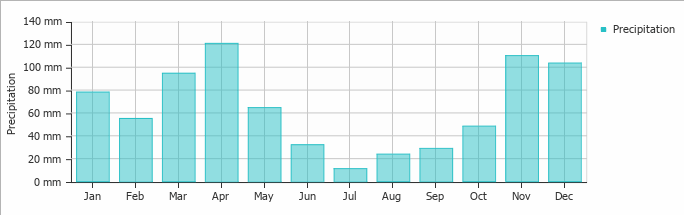
Masai Mara Weather by Month and Wildlife Guide
Masai Mara weather in January.
January is part of the short dry season in the Masai Mara national reserve and during day temperatures are about 28°C. In the night the Masai Mara temperatures are 13°C and this is one of the the great timings to witness one of the rarest breeding events for the antelopes.
So, because of the population increase of the antelope species most especially in the Central region of the Mara plains, the predators like the lions, cheetahs and hyenas also increase in number during this period.
Masai Mara weather in February.
Still part of the shorter dry period in the Masai Mara national park, here temperatures during day increase to 29°C and at night it brcomes much colder as the temperatures go to 14°C. Because the tracks in the plains are more firm and easily navigable in February, it is easier for bush walking safaris in Masai Mara in private conservancies like the Mara North conservancy.

March weather in Masai Mara.
This marks the start of the long wet period where during the day it is about 27°C and in the night it is about 14°C. Here, the Plains of the Masai Mara start becoming greener whereby herbivores like the girraffes, elephants and zebras roam freely through the land, therefore it is also a great time for game viewing in this reserve.
Masai Mara weather in April.
The long rainy season are at their peak during this month and the nights tend to be more colder with temperatures dropping from 14°C to 13°C. So, campfires in Masai Mara can make such nights more memorable and less chilling while in the day temperatures are about 24°C. The landscape scenery in this month is very breathtaking and if one is interested more in landscape photography this is the month.
May weather in the reserve.
The temperatures are still the same, 13°C during night and 24°C during day but the downpours become more lighter. Hence, this is the end of the long wet season in Masai Mara National Reserve and this period would be ideal for the birding activities. Additionally, its because even the migratory birds are seen in the marshlands of the Musiara swamp in the Masai Mara national reserve.
Masai Mara Weather in June.
Here the long dry season starts with temperatures by day going to 25°C and at night they drop to 11°C and the early mornings are very ideal for the hot air balloon safaris in Masai Mara. So, its because the winds are more stable during June and the dense vegetations tends to start drying making the wild animals more visible.

Weather in July.
Still about the Long Masai Mara dry period during July, the day trmperatures remain the same just around 25°C and in the nighy thry turn to 10°C. Also, the great migration herds start tranversing from the other side which is the Serengeti national park to the Masai Mara national reserve and this is a great time to start to track down their movements.
Masai Mara Weather in August.
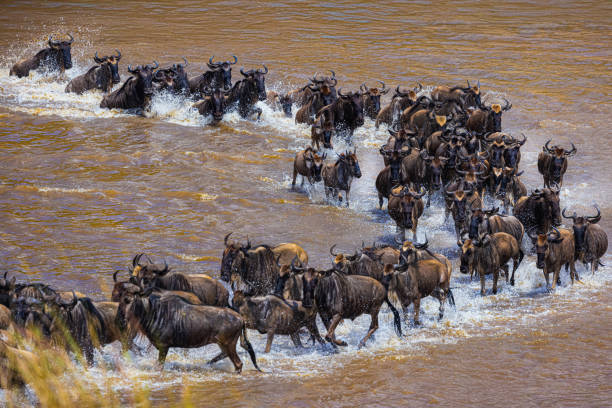
This is the peak month for witnessing the dramatic wildebeest crossings in the Masai Mara national reserve.So, during day, the temoeratures increase to 26°C and in the night they drop to 10°C and since August is also the peak long dry season the game drives are more rewarding as animals are scattered around water sources.
September weather in Masai Mara.
The Masai Mara climate and plains kind of become like a dessert area due to the exhaustion of the grasslands and vegetation by the animals in September. So, during day, temperatures in Masai Mara are about 26°C and the nights at 11°C. Additionally, September, is one of the best months for the big- cat safaris in Kenya most especially in private conservancies like Olare Motorogi where off- driving is permitted.
Masai Mara weather in October.
This marks the end of the dry season in the Masai Mara national reserve. However, day temperatures increase to 27°C and the nights go to about 12°C whereby evening game drives and sundowners are the best during this time due to the magical sun sets.
November.
The short wet season is during this time and temperatures are about 27°C during day and 13°C during the night and by this time the last group of the great migration herds is leaving the Mara plains. Also, migratory bird species like the Yellow wagtails and the Barn- swallows arrive into the Masai Mara hence its the best time to sight them.
Masai Mara weather in December.
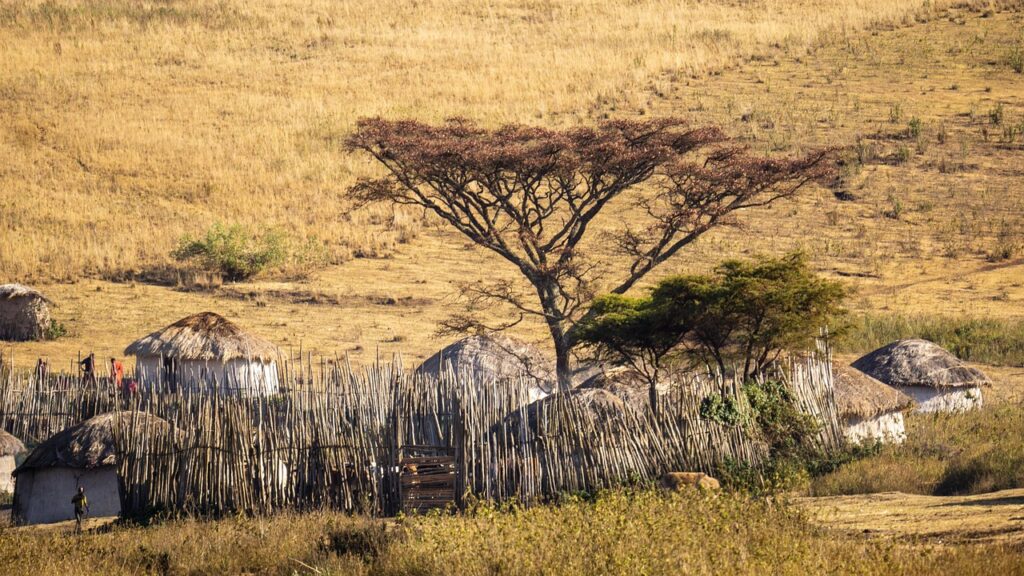
There rains during December, although there are lighter and temperatures during day are about 27°C. At night, temperatures are about, 13°C and the weather is very conveniet for nature hike and visit to the Maasai communal homes (Manyattas) and the outlooks have awe-inspiring vistas.
FAQs about the Weather and Climate in Masai Mara National Reserve
1. What should one pack for the wet season in Masai Mara?
- A warm jacket
- Waterproof hiking boots
- Neutral clothings as the temperatures can change during day
- An umbrella
- Socks for foot warmth during thr cold nights.
2. Which area of the Masai Mara national reserve receives more rain?
The Western region of Masai Mara receives more rain compared to the Eastern region. So, this is because as the air rises and it collides with Oloololo escarpment in the Western edge, it forms moisture that later forms into the rain.
3. What to park for the dry season in the Masai Mara?
- Sun screen
- Light weight foot wear for cimfort during hiking
- light clothes like short sleeved shirts.
- Neutral clothing
4. Why does the Masai Mara great migration collide with the dry period from July to October?
The Masai Mara during this time is a more reliable source of food and water for the migratory herds. Hence, they leave the dry plains of Serengeti and by July they are in the move to the Mara plains.
5. Which is the hottest month in Masai Mara?
February is the hottest month of the year as it is the peak of the short dry season where temperatures during day can rise up to 30°C.