Masai Mara Rules: Complete Guide to Park Regulations & Visitor Guidelines 2026
Understanding the Masai Mara rules is just as important as choosing the right safari package. The Masai Mara is one of Africa’s most celebrated wildlife reserves, covering approximately 1,510 square kilometers (583 square miles) in southwestern Kenya. Together with Tanzania’s Serengeti National Park, it forms the world-famous Serengeti-Mara ecosystem.
Visiting Masai Mara National Reserve for the spectacular Great Wildebeest Migration, the Kenya Big Five, a luxury fly-in safari, a self-drive adventure, or a family holiday? Strict Masai Mara rules and regulations are enforced by the Kenya Wildlife Service (KWS) and reserve authorities. However, much of the tourism in the Masai Mara National Reserve is part of efforts to improve conservation. Too much human interference in this ecosystem, with its distinctive wildlife, destroys the environment when there are no rules to safeguard both wild animals and human life.
So, the Masai Mara rules are a way to protect Kenya’s best national park while ensuring every visitor enjoys a safe and unforgettable safari. Hence, without proper management, excessive vehicle traffic, irresponsible visitor behavior, littering, noise pollution, and off-road driving could damage fragile habitats and disrupt natural wildlife behavior.
Lastly, understanding and following these Masai Mara rules and guidelines is not just a legal requirement. It’s essential for preserving the wilderness for future generations while ensuring you have a safe, respectful, and memorable Masai Mara safari experience.
Why Are There Rules and Regulations in Masai Mara National Reserve?
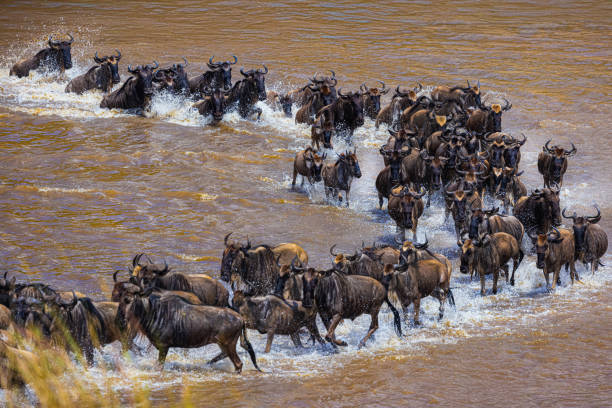
- To prevent disruption of the normal wildlife patterns, there are strict regulations in the reserve, like the maximum number of safari vehicles allowed during the great migration sightings at the Mara River. So, this is because the overcrowding of vehicles can be overwhelming for the wildlife in Masai Mara. Hence, disrupting the dramatic crossings.
- The Masai Mara National Park rules also prevent soil exhaustion; that is why one has to drive along the pathways and tracks created for vehicles in the reserve. Off-road tracks are weaker, and if one drives along them, they destroy the vegetation that is a source of food for the herbivores. Also, the grasslands are home to some animals.
- Human behavior, like making loud noises when they see a predator like a lion or a big animal like a rhino, poses a threat to these animals. Hence, lead to aggression towards first time travelers in Masai Mara. Hence, the Masai Mara regulations of not making unnecessary noise prevent such from happening.
- The reserve’s regulations are also in place to avoid human-to-human conflict, particularly when tourists visit the Maasai hamlet. They are instructed to respect other people’s cultures in order to improve communication and to avoid being indifferent to them because that would be viewed negatively.
Official Masai Mara Rules You Must Follow
General Visitor Rules in Masai Mara
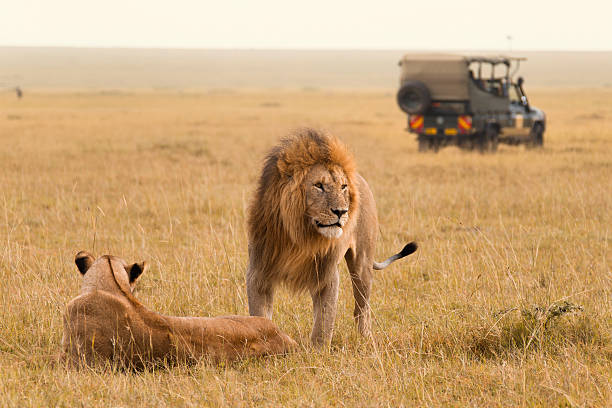
- Stay within your vehicle unless you have been permitted by the safari guide to move out because animals in Masai Mara are unpredictable. So, they can attack you at any point when you invade their habitat.
- The Masai Mara National Reserve opens at 6 AM and it closes by 6 PM. Hence, one should not be found roaming within the premises of the reserve between these times for one’s safety.
- Do not default on the Masai Mara entry fees or try using invalid tickets to enter the park. When caught, the penalty includes being given a huge fine to pay.
- Driving within the Masai Mara should be limited to about 50 km/h. This is because animals in the reserve, such as lions, leopards, and elephant herds, frequently cross the driveways from one side to the other. If someone is found exceeding the speed limit, they may unintentionally knock an animal, which carries a fine of approximately KSH 10,000. If you are found to have knocked any wild animal, you may not be allowed to enter the Masai Mara National Reserve ever again.
- You are to stand on the rooftop of the safari vehicle with permission from your tour guide because the terrain of the Masai Mara is a bit rough, with some bumpy sections. So, you can easily fall off the vehicle if you are padding such an area while you are standing on the rooftop.
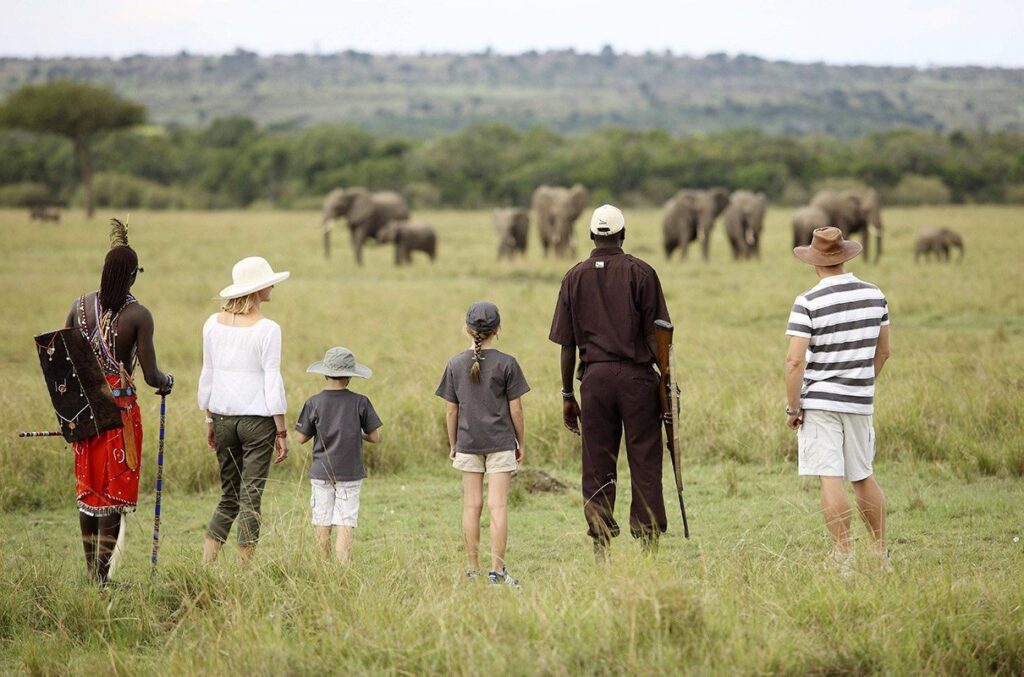
Masai Mara Rules: Maasai Cultural Etiquette, Responsible Tourism, Park Entry Regulations, Penalties & Safety Guidelines
- If you see animals attempting to cross, you should either stop your car or slow down and wait for them to cross the road so that you don’t endanger them or possibly run into them. Failing to do so results in a penalty of your car being banned from the Masai Mara National Reserve.
- Off-road driving is prohibited, particularly in delicate areas like the Mara River bed, where excessive driving can cause soil erosion and stunt the growth of vegetation that wildebeest and zebra herds typically eat. If you are caught driving on off-road tracks, you may be fined Ksh 10,000.
- Do not drive too close to wild animals, as this disrupts their social patterns. For example, if you see a leopard stalking an eland, you may be prohibited from entering the Masai Mara National Reserve because the eland may notice the leopard and run.
- Do not make noise during your safari game drives in the Masai Mara. You might not be able to enjoy the best wildlife viewing if you generate needless noise, such as playing loud music or yelling at the animals, as this could be perceived as a danger and frighten them away.
- At wildlife sightings like viewing the predator-prey interactions or witnessing the dramatic wildebeest crossings, there should be fewer than 5 safari vehicles because too much vehicle crowding can stress out the wild animals.
Other Masai Mara Regulations and Rules
- Masai Mara shares a border with the Serengeti National Park, and one is not supposed to cross over. Unless they use the legal crossing point, and if found doing so illegally, they will face the law, as it is regarded as a criminal offense.
- Do not harass the animals that are trying to move away from your vehicle by following them, as it can trigger their anger and they can attack you.
- Don’t carelessly leave any trash on the Masai Mara National Park grounds, especially plastic and polyethylene bags, as grazers like zebras may swallow them and die as a result. If you are caught littering, you could be fined Ksh 10,000.
- Drone use is prohibited within the reserve unless authorized by reserve park officials. If you are caught using a drone, you may be removed from the area or have your drone confiscated.
- Only the reserve’s private conservancies, which have fewer animals, permit nighttime driving.
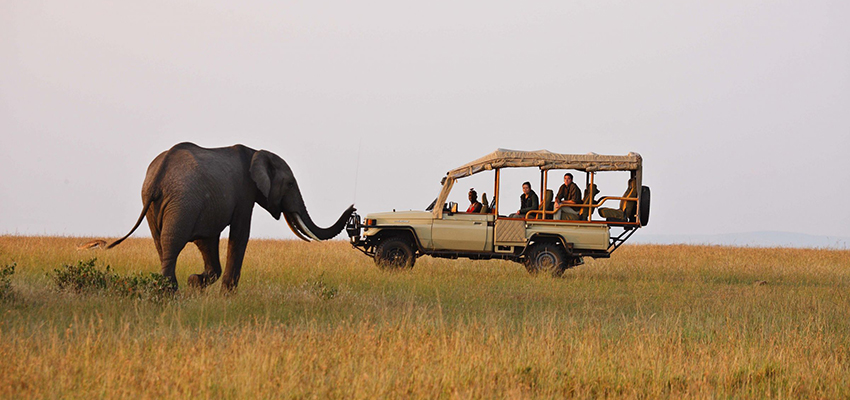
FAQs regarding rules in Masai Mara National Reserve
1. What is Masai Mara’s 12-hour rule?
According to the 12-hour rule, you can enter the Masai Mara National Reserve and remain there for up to 12 hours in a row with a single entry ticket. As soon as your car passes through one of the official gates, the clock begins to run. However, the park’s opening time is 6.00 Am and closes at 6:00pm.
2. What Takes Place If You Violate the Masai Mara Rules?
The management of Masai Mara National Park is committed to the preservation of this ecosystem. Depending on the offense, penalties could consist of verbal warnings, monetary fines, or suspension of park access. Others include removal from the reserve, legal prosecution for serious offenses, and confiscation of prohibited equipment. Particularly serious violations of these rules in Masai Mara include illegal hunting, wildlife harassment, possession of wildlife products, deliberate habitat destruction, and unauthorized drone operations.
3. What happens if one accidentally hits an animal?
You are to be fined Ksh 10,000, and if the animal dies, you are expelled from ever entering the reserve.
4. What will happen if I delay going back to my accommodation after 7 PM?
If found by any of the park authorities, you are to be fined heavily for staying in Masai Mara beyond the curfew hours.
5. Why is off-load driving allowed in the low-use zones?
In high-use zones, the soil is weak because of the many people who usually visit such areas in Masai Mara, unlike in the low-use zones.
6. Can one play music or the radio during a game drive?
No, music or radio is allowed to be played within the reserve, especially during the game drives, as it is noise pollution that affects the patterns.
7. Is it legal to collect souvenirs like bones or animal fossils while in the reserve?
You are not allowed to collect anything you find in the Masai Mara National Reserve without permission.