Masai Mara Conservancies | Best Private Conservancies in Kenya
What Are Masai Mara Conservancies?
The Masai Mara Conservancies are privately managed wildlife conservation areas that surround the Masai Mara National Reserve in southwestern Kenya. Unlike the main reserve, managed by the Narok County Government and the Mara Conservancy (for the Mara Triangle), these conservancies operate through partnerships between Maasai landowners and professional safari operators. If you are to visit the Masai Mara National Reserve, know which experiences you desire and which conservancy to concentrate on, as each part of the reserve unveils a different experience.
For example, if one wants to witness the wildebeest migration in Masai Mara, explore the central plains of this reserve. Therefore, the private conservancies bordering the Masai Mara National Reserve, such as Mara Naibosho, are the perfect location for off-roading and nocturnal wildlife trips. Wildlife conservation and safari tourism in Kenya have changed thanks to the Masai Mara Conservancies, Africa’s most effective community-based conservation strategy.
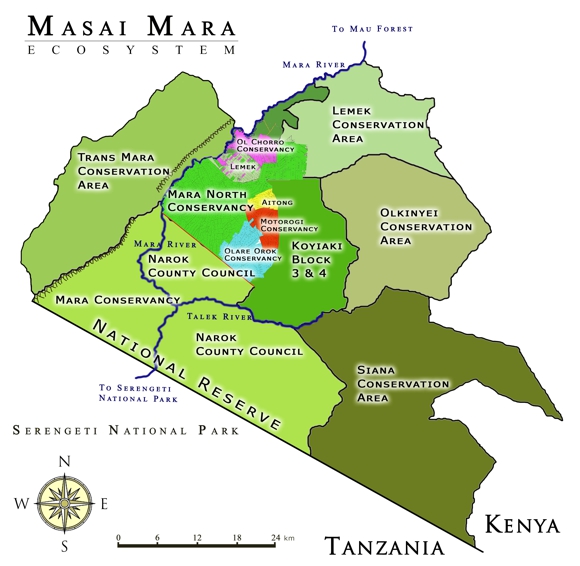
These privately managed conservation areas, owned by hundreds of Maasai landowners and safari operators, border the world-famous Masai Mara National Reserve and contain approximately 350,000 acres (about 1,400 square kilometers) of protected wilderness. The Serengeti Mara ecosystem, which covers approximately 40,000 square kilometers and sustains one of the world’s richest wildlife populations, includes them and the main reserve.
The Advantages of Living in a Masai Mara Conservancy
- Masai Mara conservancies, which have strict visitor and vehicle density restrictions, provide a more upscale safari experience than the public reserve.
- Many conservancies only allow visitors who are staying there to go on game drives, which leads to more private encounters with wildlife in Masai Mara, especially when you travel with the Serengeti Masai Mara Experts.
- Photographers, honeymooners in Masai Mara, families, and tourists looking for first-rate safari experiences are particularly drawn to conservancies that retain some of the best wildlife-to-vehicle ratios in East Africa.
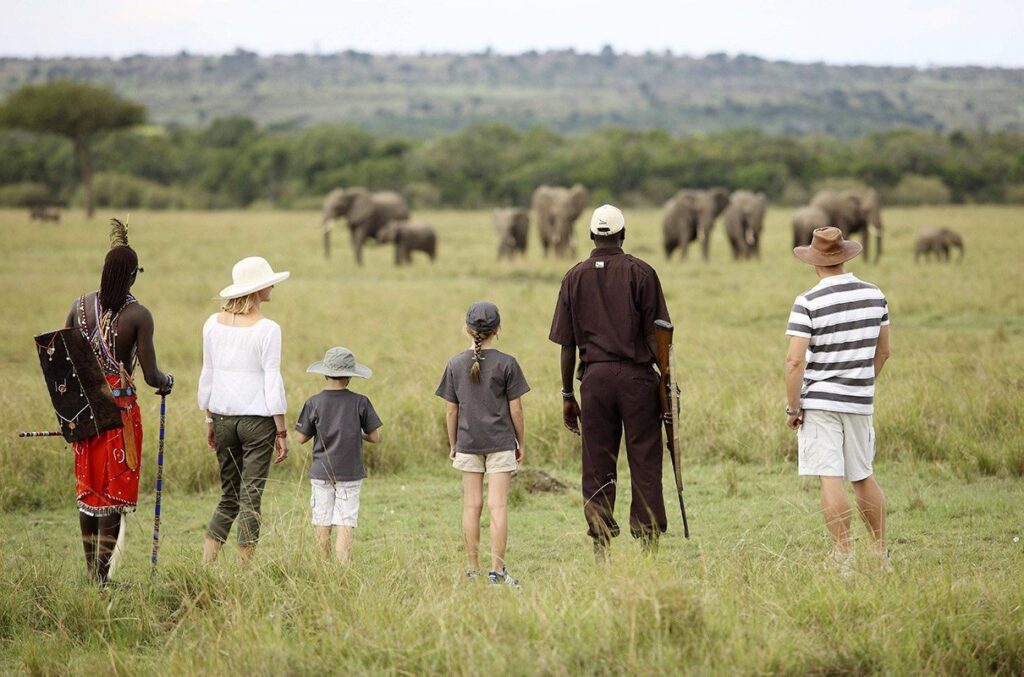
- Access to the best activities to do in Masai Mara, which are either restricted or forbidden within the main reserve, is one of the biggest benefits of living in the conservancies. So, nighttime game drives, guided walking safaris in Masai Mara, off-road animal tracking, bush breakfasts, sundowners, photographic safaris, and genuine Maasai culture experiences are all available to visitors.
- Hence, through these restricted Masai Mara safari activities, visitors can see animals from various angles while adhering to environmentally friendly, sustainable tourism standards.
- Kenya’s biodiversity is also significantly protected under the conservancy approach. Tourism revenue generated from conservancy Masai Mara fees provides lease payments to Maasai landowners, helping preserve wildlife corridors. Also, to reduce habitat loss, discourage human-wildlife conflict, and create employment opportunities for local communities.
- This partnership has enabled important populations of lions, leopards, elephants, cheetahs, African wild dogs, giraffes, and hundreds of bird species to thrive outside the national reserve’s boundaries.
Why Visit Masai Mara National Reserve Conservancies?
- Visiting the Masai Mara areas and conservancies makes you aware of the locations where the great migration is expected to occur. Additionally, it only happens in certain sections of the Masai Mara National Reserve, such as the Mara Triangle. So, to avoid wasting time traveling across the Masai Mara, anyone planning to stay at a luxury Masai Mara tented camp such as the Mara Intrepids should be aware that it is located near the Ol Kiombo area, making it quicker to approach via the Talek gate.
- Affordable lodging is available in places like Masai Mara’s Sekenani region, and visitors seeking an inexpensive safari in this reserve will find it very useful to be aware of this location. The Musiara sector is one of the paths that must be followed to track the big cat. Therefore, before any experience, one needs to be familiar with the area.
- If you’re looking for an exclusive wildlife safari in Masai Mara and want to escape the car crowds, it’s preferable to go to places in Kenya like the Mara Triangle. If you don’t mind the big crowds, you can go to the Sekenani area.
Therefore, it is easier to arrange logistics, transportation, travel style, and Masai Mara safari budget when one is aware of which conservancy to visit in this reserve. Accessing certain areas, such as the area surrounding Keekorok Lodge, would require careful planning, like renting an appropriate safari vehicle and recognizing predator-prey patterns at the appropriate moment. You decide where to go.
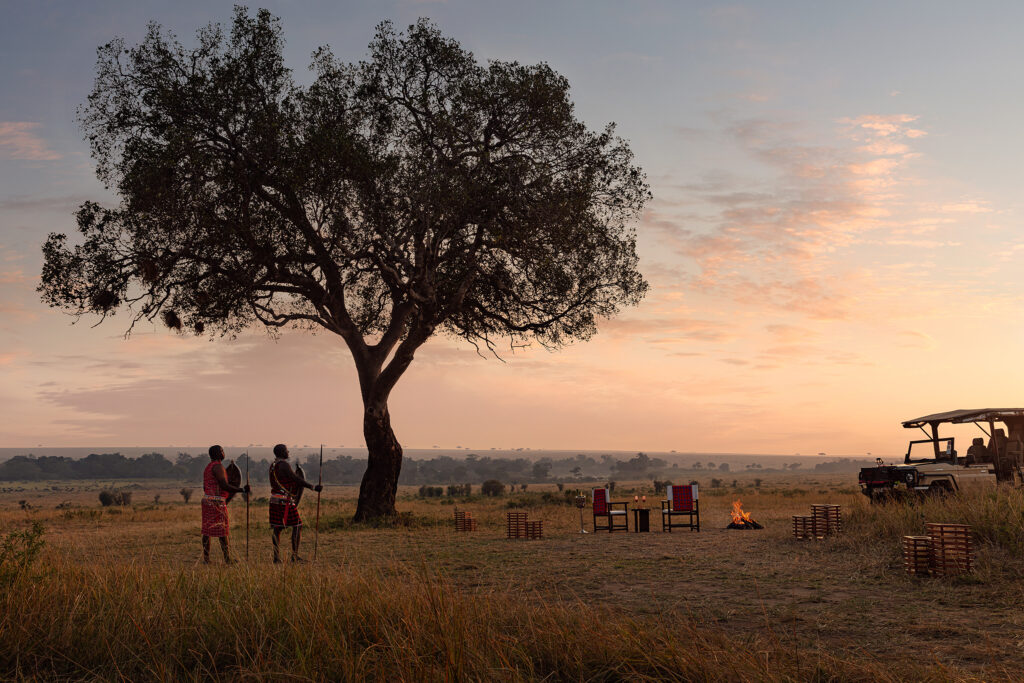
The Top Masai Mara Conservancies in Kenya
1. Mara Triangle
The Mara Triangle is about 126,023 acres in the southwestern region of the Masai Mara National Reserve. It is owned by the county government of Narok, which cares for the land on behalf of the surrounding local community. Hence, it is a public-private partnership, and this is the access point for the great migration herds. Therefore, the Mara Triangle plays a crucial role in the migration process, mostly between dramatic river crossings from July to October.
Anti-poaching in this conservancy is very strict, and it has a high density of the Kenya big 5; hence, it is a great area for game viewing. So, observe their social patterns and behaviors, including the Mara River crossings. Accommodations like the Mara Serena Safari Lodge, Kilima Camp Masai Mara, and Governor’s Moran Camp are found in this conservancy. Lastly, the Mara Triangle is easily accessible from the Oloololo Gate, and for those coming in using Masai Mara fly in Safaris, they can use the Angama airstrip which is about 13 minutes drive to this area.
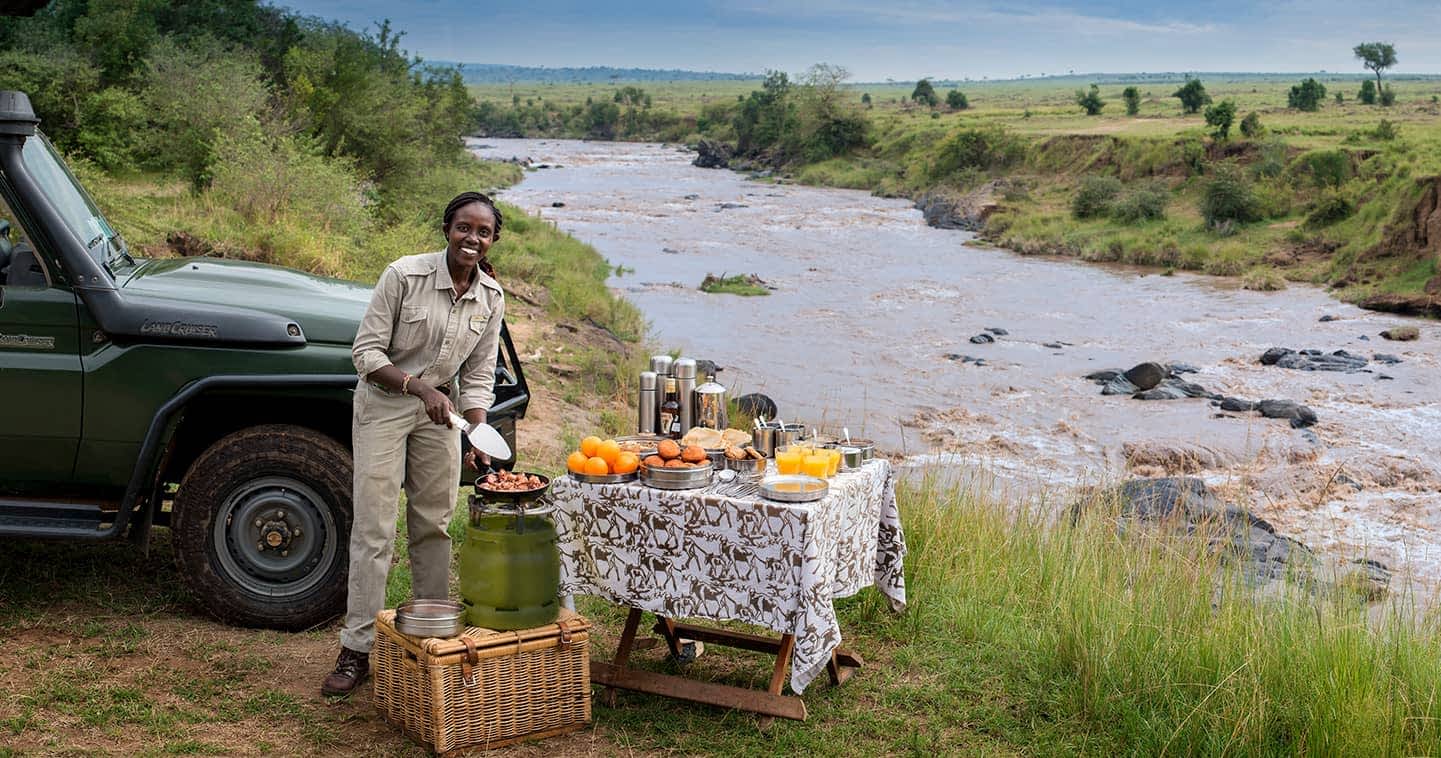
2. Ol Chorro Conservancy.
The Ol Chorro Conservancy, which covers approximately 11,000 acres and is administered by Seiya Limited on behalf of the Maasai Land Owners, is located in the far northern territory of the Masai Mara National Reserve. It has a protected rhino sanctuary, making it a perfect place to track down rhinos because visitors are protected by trained armed rangers during this activity.
Also, it has a high density of Southern White Rhinos, along with olive baboons, martial eagles, and opulent accommodations like the Fairmont Mara Safari Club and Ngerende Island Lodge.
3. Pardamat Conservancy.
Located in the Northern Central region of the Masai Mara National Reserve is the Pardamat Conservancy, which is about 64,000 acres owned by about 850 Maasai families. This Masai Mara Conservancy has a huge concentration of elephants alongside cheetahs, lions and striped hyenas. Additionally, it is known for offering the best Maasai cultural immersion safaris in Kenya and also the best bush walks.
The Pardamat Conservancy has affordable accommodations like the Masai Adventure Camp and also offers the Pardamat camping sites.
4. Diana Conservancy in Masai Mara.
Found on the eastern edge of the Masai Mara National Reserve, this 35,322-acre area is home to 1951 Maasai families who own land but are overseen by the Mara Siana Landowners Trust. Diana Conservancy is close to the Sekenani Valley and is a great place to monitor elephant behavior, including breeding and mating. However, night tracking is also excellent here if you’re interested in night drives. Lastly, this is a great conservancy with accommodations like Entumoto Safari Camp and Siana Springs Tented Camp.
5. Olarro Conservancy.
In the eastern part of the Masai Mara National Reserve, around the Loita Hills, it is about 20,000 acres, operated as Olarro North and Olarro South. Additionally, it is owned by Maasai families, and it has a high concentration of predators like lions and leopards, where wilderness sundowners and low-impact quad biking occur. Masai Mara accommodations like Olarro Lodge and Olarro Plains Luxury Camp are in the conservancy.
6. Ol Kinyei Conservancy.
This was the first conservancy that was founded in the year 2005, and it is situated on the northeastern boundary of the Masai Mara. Ol Kinyei Conservancy has about 18700 acres of land owned by 171 Maasai people. Additionally, it has a great population of lions in Kenya, with excellent wildebeest sightings and giraffes coming from the rocky outcrops.
It has accommodations like the Porini Mara Camp, and it’s also close to the Ol Seki airstrip in Masai Mara. Hence, Ol Kinyei Conservancy is about 25 minutes away and can be accessed by road from Nairobi via the Ol Kinyei gate.
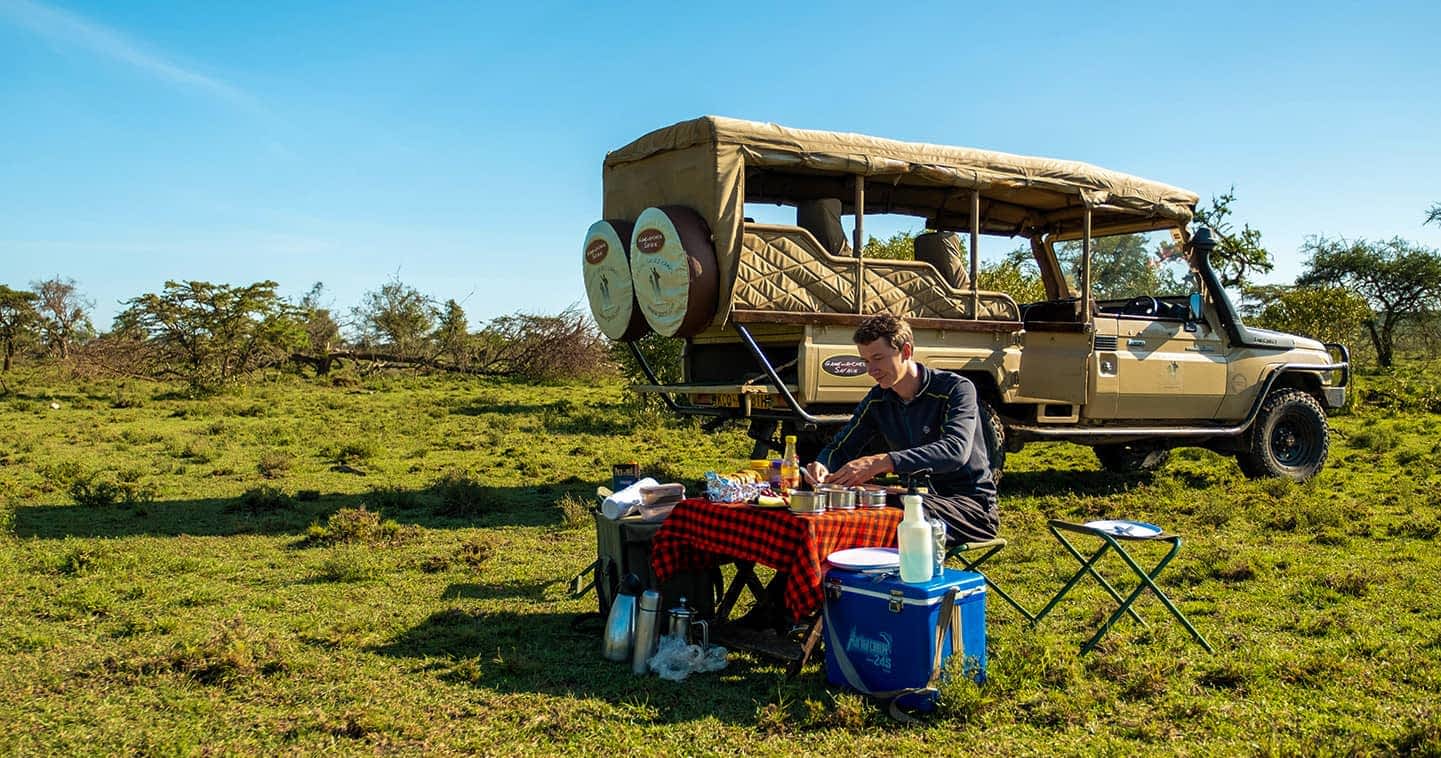
7. Mara Naboisho Conservancy.
This conservancy, which is located in the northeastern region of the Masai Mara and was established around 2010. Additionally, Mara Naboisho Conservancy is easily accessible by road via the Enkikwei gate or is about 10 minutes from Ol Seki airstrip. It is home to several elephant families, lion prides, and rare species like the African wild dog. Accommodations in this Masai Mara region include the BaseCamp wilderness camp, Naibosho Camp, and Eagle View.
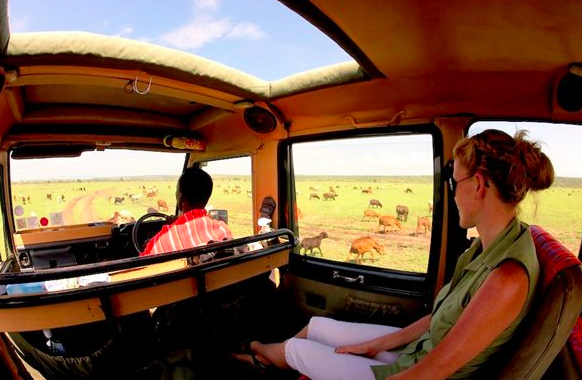
8. Olare Motorogi Conservancy.
This is owned by over 277 Maasai landowners, and it is about 329000 acres. Olare Motorogi Conservancy was founded in May 2006, and it is located along the northern boundary of the Masai Mara. So, it is one of the areas in the Masai Mara and the whole of East Africa with a high density of lions. Additionally, it has exquisite private accommodations like the Mahali Mzuri and Porini Lion Camp.
Olare Motorogi Conservancy can be accessed via Ol Kiombo airstrip or Musiara airstrip. Alternatively, get there by road via the Olare Orok gate, and this conservancy is about 5-6 hours from Nairobi.
9. Mara North Conservancy.
Founded in 2009, it is the largest of all Masai conservancies in Masai Mara, with 800 Masai owners and 70,000 acres of land. Mara North Region has accommodations like Elephant Pepper Camp and Saruni Mara, as well as a private airstrip from Nairobi.
10. Lemek Conservancy.
This 19,000-acre conservancy, which is owned by more than 500 Maasai local families under a centralized community model. In addition, it has a high concentration of rare leopards and African wild dogs. Since visitors are not prohibited from off-road driving, it is an excellent location for tracking predators. Lastly, camps like Saruni Wild and Lions Cradle Camp are located in this Lemek conservancy.
Sectors/Regions/Areas of the Masai Mara National Reserve.
1. Musiara sector.
Located in the central part of the Masai Mara National Reserve, the Musiara sector is conveniently accessible from the Musiara gate. Also, it is a 10-minute drive from the Musiara airstrip. This hotspot is home to lion prides, hippopotamus pods, and enormous Nile crocodiles. Also, elephant herds that frequently visit to drink from the water holes.
The flat, sun-kissed plains dotted with acacia trees make hot air balloon safaris magical. The premises include accommodations like Governor’s Camp, Ashnil Mara Camp, Sentinel Mara Camp, and Mara Plains Camp.
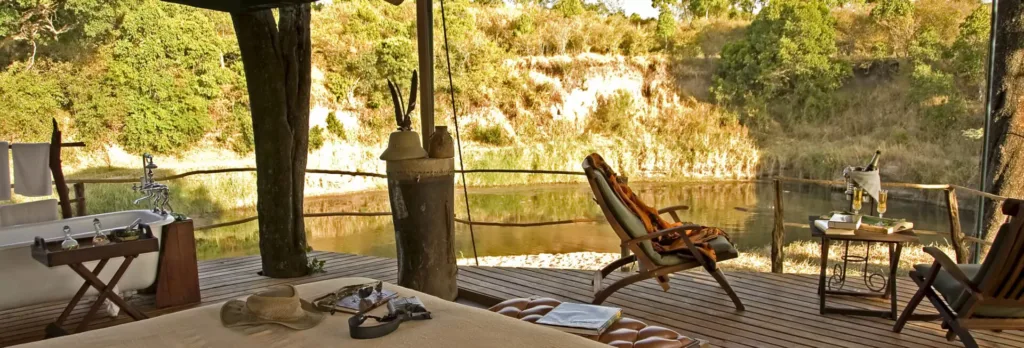
2. Sekenani Sector.
This is one of the most popular areas of the Masai Mara National Reserve because of its dependable waterholes. So, these increase the likelihood of seeing the best wildlife in Masai Mara. The Sekenani sector is situated at the eastern edge of the reserve. Also, it is accessed via the Sekenani gate, which takes about five hours from Nairobi and eleven minutes from Keekorok Airstrip. It is a good place to see black rhinos, and camps like Sand River Camp, Sarova Mara Game Camp, and Keekorok Lodge are located nearby.
3. Talek and Ol Kiombo sectors.
Set in the center of the Masai Mara, which is home to the Mara and Talek rivers, the landscape is complemented by emerald riverine forests. The Talek and Ol Kiombo regions of the reserve are where rare leopards become common. Masai Mara tented camps like the Mara Intrepids, the Fig Tree, and the Naibor camp are on the premises.
It can take up to five hours to get there from Nairobi via the Talek gate. Also, it takes about fifteen minutes from Ol Kiombo Airstrip. However, it is also easily accessible from this location.