Masai Mara Park Entry Fees 2027 | Prices & Permit Costs
Masai Mara park entry fees depend on where the traveller is coming from, their age, and preferred travel dates into Kenya for a safari in this reserve. In 2027, non-resident adult visitors in Masai Mara National Reserve, Kenya, are charged different rates during the January-June and July-December periods. Additionally, Kenyan citizens, East African residents and children have separate Masai Mara entry fee categories. Additional charges apply for vehicles, Masai Mara camping, and certain activities to do in Kenya while in this reserve. Non-resident adults pay $100 per day from 1 January to 30 June and $200 per day from 1 July to 31 December, while children aged 9-17 pay $50. Children aged eight and below enter Masai Mara for free.
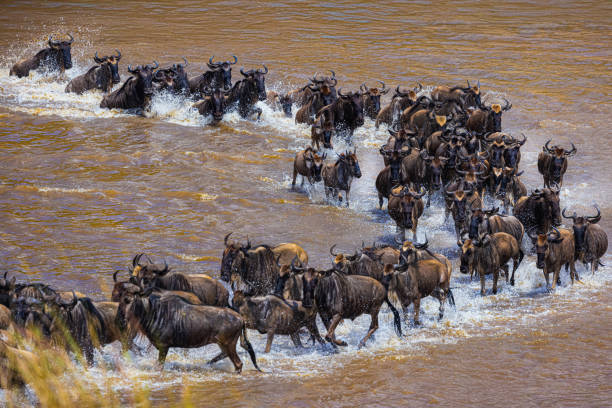
Masai Mara National Reserve welcomes tourists year-round. In addition, the reserve offers various events and experiences, such as the wildebeest migration in Masai Mara, hot air balloon trips, Kenya big five safaris, birdwatching trips, and opulent photographic safaris. Also, it offers honeymoon safaris, family safaris, walking safaris in Masai Mara, and Maasai cultural experiences. So, to protect this remarkable ecosystem and ensure sustainable tourism, visitors are required to pay various Masai Mara fees. The Masai Mara fees are divided into park entry fees, vehicle fees, camping fees, guide fees, and, in some cases, concession fees.
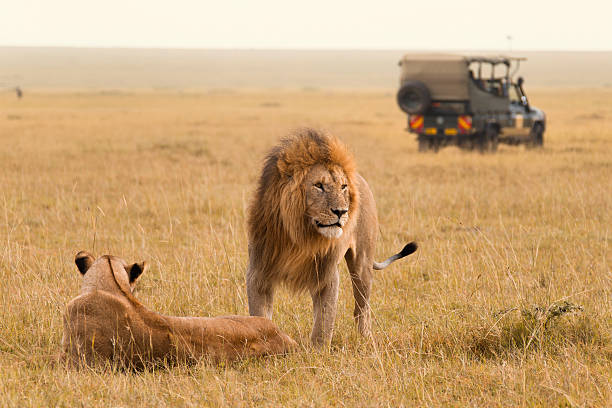
Seeing and investigating any of these is invaluable in and of itself, but you have to pay a charge to support the conservation of this ecosystem. It’s difficult to estimate the number of wild animals in Masai Mara National Reserve because it borders the Serengeti National Park. However, it’s thought to have over 150,000 large mammals, including all the Big Five. As a result, the area serves as both a tourist destination to visit in Kenya and a support system for the wild animals. This guide explains the latest Masai Mara park entry fees for 2027, who pays what, ticket validity, and payment options. Lastly, it also covers other costs visitors should consider before travelling to the Masai Mara for a safari tour.
Understanding Masai Mara fees is essential for accurate budgeting and planning a smooth, responsible safari. Masai Mara fees include park entry permits, concession fees for overnight stays, vehicle charges, camping fees, and optional guide costs. The entry fees for the Masai Mara vary depending on the season, nationality, and the size of the group that wishes to visit the place for a trip. This guide offers the latest 2026 information on Masai Mara fees to enable you to plan your safari in the best park in Kenya accordingly.
Masai Mara Park Entry Fees
The Masai Mara permit is valid from 6 AM to 6 PM; thus, it must be utilized within 12 hours. After that, you will need to pay fees for another day. International visitors, Kenyan citizens, and East African nationals typically pay different admission costs. Adults and children, as well as high and low seasons, determine these Masai Mara costs.
The appropriate authorities may review park admission fees on a regular basis. Before traveling, always check the most recent rates or make your reservation with a certified safari operator (Serengeti Masai Mara Experts, Tanzania National Parks, or Goar Africa Safari Tours) that incorporates current fees into your package.
Masai Mara Fee Structure
Understanding the different types of fees allows you to more accurately estimate your total Masai Mara safari cost. They include Park Entry Fees, Vehicle Entry Fees, Camping Fees, Guide and Conservancy Fees
Masai Mara Park Entry Fees 2027
Note: Children under 5 years enter for free. Fees are subject to change. Always confirm with KWS or your tour operator before travel.
Note: Masai Mara Fees are subject to change. Always confirm current rates with Serengeti Masai Mara Experts before travel.
What Fees Do You Actually Pay When Visiting Masai Mara National Reserve in Kenya?
Required or potentially applicable Masai Mara fees which are a must pay upon entry into the reserve.
- Park entry fee
- Vehicle entry fee
Depending on the nature of your Masai Mara trip, below are the other optional fees to pay for services listed.
- Camping fee
- Accommodation
- Conservancy fee
- Balloon landing or activity-related charges
Visitors on organized Masai Mara safaris may not pay these charges separately because some costs are included in the safari package. Always check the inclusions before booking. So, this clearly differentiates between the Masai Mara safari cost and the park fees, which are normally part of the cost.
Why Do Visitors Pay Masai Mara Fees?
- Because of the activities to do in Masai Mara like the game drives, the soil can get exhausted, and some tracks are very narrow. Therefore, if the vehicle is passing through, some of the floral species can be damaged; hence, to rejuvenate the soil and replant the vegetation there’s a need for the permit fees in the Masai Mara.
- For the safety of the tourists during a trip to Masai Mara and to prevent illegal activities like poaching of the rhinos from happening, security is hired, and the permit fees contribute to their payment.
- Similarly, the Maasai community receives a portion of the funds because they co-own the reserve and use the cultural immersion excursions to boost tourism in the Masai Mara.
- Through constructing bridges and stronger road constructions, the Masai Mara National Reserve fees have aided in the development of infrastructure in this park’s difficult-to-reach sections, making it easier for 4×4 cars in Kenya to get there.
The process of paying the Masai Mara Fees in Kenya
If you are traveling without a tour operator’s assistance, you can log into either the Kenya Airport Parking Services website or the eCitizen portal. Next, register your nationality, age, and the date of travel for the safari. Pay the Masai Mara permit fees via Mastercard or M-Pesa or pay at any gate using a cashless system.
Additionally, even if you make a reservation with a safari operator, you typically pay in advance. Following all payments for your Masai Mara permit, you will receive a receipt that will be scanned at the gate.
Masai Mara National Reserve Gates
While at the reserve, you present your park permit at the entry gates to show that you have cleared the Masai Mara fees. However, you can pay directly at these Masai Mara gates, but all transactions are cashless. Below are the Masai Mara entry gates in Kenya.
1. Sekenani gate.
The Masai Mara National Park’s main entrance is located in the eastern part of the reserve, close to the Masai Mara camps of Sarova and Sekenani. Also, this is where high densities of lion prides and cheetahs are found. Sekenani Gate in Masai Mara is accessible from Nairobi via a better-maintained road, and it can take four to five hours to get here.
However, because it is the major access point, it is usually crowded because everyone wants to pass here, so permit checking is slow.
2. The Talek gate.
In contrast to the Sekenani gate, which has a well-paved road from Nairobi, the Talek gate’s portion of the pathway is rough and has dirt tracks. As a result, it takes about five to six hours to get there from Nairobi. However, there are fewer tourists there than at the Sekenani gate, and it’s close to lodging options like the Fig Tree Camp and Mara Leisure Camp.
It’s also easier to access the Talek River from this gate, where hyenas are spotted lounging around and leopards can be seen searching the riverine forests.
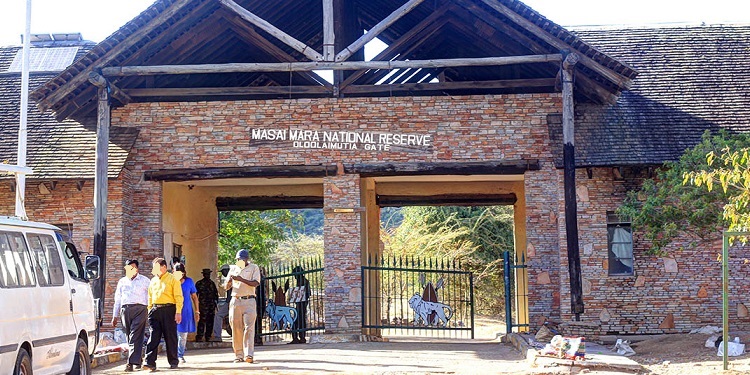
3. Oloolaimutia gate.
It can take up to six and a half hours to travel from Nairobi to Oloolaimutia Gate in Masai Mara. So, this is because the road is poorly maintained and has extremely rough sections that require a 4×4 safari vehicle, such as a Toyota Hilux rental in Kenya, to easily navigate. Only a few people use this gate because it is located in a more remote part of the reserve’s southeast.
Hence, it makes it difficult to get to. However, this area next to this Masai Mara gate is home to many black rhinos and leopards. Also, there are affordable Masai Mara accommodations nearby, such as Acacia Camp Mara and Ol Moran Tented Camp.
4. Musiara gate.
The Musiara Gate is located in the marsh area of the Masai Mara National Reserve’s northern territory. The road from Nairobi is particularly smooth and somewhat rough due to the bush trackways as you access the gate. It takes about five and a half hours to get there, and it has average crowds. However, it leads to the swampy area with one of the highest concentrations of predators in the reserve. Also, to opulent camps like the Karen Blixen camp and the Little Governors’ camp.
5. Oloololo gate.
Oloololo Gate is located near the Oloololo Escarpment, where the sun sets, and rises are breathtaking in the Western region. However, the driving time to this gate from Nairobi increases to approximately 6-7 hours due to the road’s bumpy nature. Also, because fewer people take this route, there are fewer crowds at the gate.
Nevertheless, it is an ideal access point for those who want to explore the Mara triangle, which has a high concentration of the Big 5 animals in Kenya, as well as those who are traveling to luxury Masai Mara lodges like Kilima Camp and Angama Mara.
Masai Mara Fees Frequently Asked Questions
1. At what age can you enter the Masai Mara without paying a permit fee?
Children aged 8 and under are not required to pay permission fees.
2. Which gates in the Masai Mara accept cash payments for permits?
Cash payments are restricted at the Western Masai Mara gates but are acceptable at the Eastern gates.
3. Why does the peak season in the Masai Mara cost more than the low season?
During the high seasons during Masai Mara safari holidays, like July to October, a lot of tourists come to this reserve. Therefore, to mitigate overcrowding in the reserve during the peak season, the Masai Mara permit prices are doubled, unlike in the low season, when there are only a few events.
4. Why are the Masai Mara vehicle fees paid according to the vehicle?
The bigger vehicles affect the wear and tear on the soil and tracks in the reserve compared to the smaller vehicles.
5. Since Masai Mara and Serengeti share the same border, can I use the same permit to enter both?
No, you should buy separate park permits for each of these top national parks in Africa, as they are located in different countries. Also, the Serengeti entry fees are different from those of Masai Mara National Reserve in Kenya.