Camping in Masai Mara: Campsites, Tented Camps and Where to Stay
Camping in Masai Mara National Reserve gives visitors a choice of accommodation styles, from basic campsites for travellers who bring their own equipment to furnished tented camps with proper beds, private bathrooms and full-board meals. The right camping option in this Kenya National Park depends on your budget, the facilities you need and the Masai Mara Conservancies you want to explore.
The Masai Mara in southwestern Kenya is known for its open grasslands, resident wildlife and seasonal migration of wildebeest and zebras between Kenya and Tanzania. Staying at a camp for your Masai Mara safari means you’ll be based just a few nights near the reserve or private conservancy, and it’s much easier to organize early morning game drives in Kenya and longer days of wildlife viewing.
A budget or even a luxury Masai Mara tented camp puts you under canvas with only a thin layer of fabric between you and the wild. So, you can hear lions roaring at midnight, hyenas whooping near the river, elephants brushing past the acacia trees, and hippos grunting from the Mara River during your camping safari in Masai Mara.
Serengeti Masai Mara Experts specialize in planning safari holidays in Kenya and Tanzania, including camping arrangements in Masai Mara. We can help you with camp selection, transfers, game-drive arrangements and combining the Masai Mara with other locations in Kenya or with the Serengeti in Tanzania.
This camping guide to Masai Mara covers camping options, where to stay, what facilities to expect, how much to budget, and what to check before you book.
Why Choose Camping in Masai Mara?
-
Camping in Masai Mara brings one closer to the animals in the reserve since many camps sit on Talek and Mara riverbanks or on the edges of open plains, where game drive moves through daily.
-
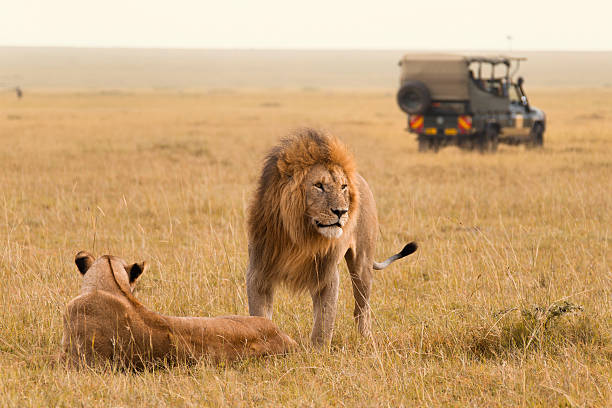
At Masai Mara camps along the Talek and Mara rivers, travellers regularly wake to elephants crossing the water, giraffes browsing behind the dining tent, or a troop of baboons inspecting the breakfast area. Staying inside this Masai Mara ecosystem during a camping safari means the wildlife encounter does not end when the game drive does.
-
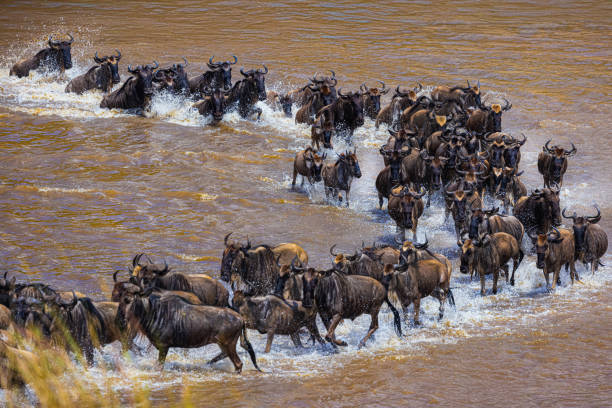
Similarly, travelers get easier access to the Great Migration in Masai Mara between July and October, millions of wildebeest, zebras and gazelles move from the Serengeti .
-
Next, Masai Mara camps near the Talek and Mara rivers in the Musiara and Mara Triangle areas put you minutes from the wildebeest crossing points. So, this means you can be at the riverbank early while the wildebeest herds are still gathering and you are not stuck in a long drive from a distant lodge.
-
Masai Mara’s camps fit every budget of a traveller, from simple tents with shared bathrooms for travelers on a budget to luxury tented camps with private butlers and plunge pools. So, you can choose a camping option suitable to your budget. For instance, astudent on a group camping safari and a couple on a Masai Mara honeymoon safari can both sleep in tents, just in very different tents.
-
In addition, camping in Masai Mara makes the nights even more adventurous, with lots of fun activities to do after game drive safaris. Bush dinners, campfires, and star-gazing under a sky with almost no light pollution are things a hotel cannot copy, and many camps add guided night sounds and storytelling by Maasai staff around the fire.
-
Lastly, you economically contribute to the community since most camps are owned or leased in partnership with Maasai landowners, and others employ guides, cooks and rangers from the surrounding villages. In the private conservancies, your per-night fees are shared with the landowners as lease payments, which fund schools, clinics, and the protection of grazing land.
Best Campsites and Tented Camps in the Masai Mara
Camps in the Masai Mara fall into four main categories that is budget camps, mid-range tented camps, luxury tented camps and private conservancy camps. Each category offers a different balance of comfort, privacy, closeness to the wildlife, and price, so each camp is described below on its own.
1. Budget Camps in Masai Mara
Budget camps suit travelers to Masai Mara who want a genuine safari experience without a high price. They offer simple tents, basic but clean facilities, shared dining areas, and hearty meals, and they are popular with group departures and with Kenyan residents.
- Resian Mara Camp: This camp is located the eastern side of the reserve in the Sekenani area, one of the most convenient parts of the Mara for travelers coming by road from Nairobi. It is usually about 5 to 10 kilometres from the Sekenani Gate, which means a drive of roughly 15 to 25 minutes on the access road, depending on conditions. Resian Camp prices are $90 and $140 per person per night on a full-board basis, with Kenyan residents paying considerably less.
- Entumoto Safari Camp: It is also located in the Sekenani area, close to the village that serves the eastern gate, and is typically about 5 to 12 kilometers from the Sekenani Gate. Entumoto Safari Camp prices usually range from $90 to $150 per person per night, with discounts in the low season.
- Fig Tree Camp: This budget camp is found on the banks of the Talek River, on the southeastern side of the Masai Mara, and it is often only a few kilometres from the Talek Gate, which makes it one of the quickest budget camps to reach the reserve from. Camp prices range from $120 to $200 per person per night, depending on the season and room type.
- Mara Springs Safari Camp: Located on the Talek side of the reserve, usually within a short drive of the Talek Gate, often 10 to 20 minutes depending on the track. This area is well known for lion prides, cheetahs, and large herds of plains game, so even the short drive to the gate can produce sightings. Prices at Mara Springs Safari Camp usually range from $100 to $160 per person per night.
- Aruba Mara Camp: Aruba Mara Camp lies in the same general part of the reserve as the Talek area and takes its name from the Aruba region of the Mara ecosystem. The camp offers tented accommodation with bedding and shared or private bathrooms depending on the room type and a dining tent with full-board meals, with rates between $100 and $160 per person per night.
2. Mid-Range Tented Camps
Mid-range Masai Mara camps are the most popular choice for travelers who want comfort without paying luxury rates. The tents are spacious, with real beds, en-suite bathrooms, and often private verandas, and the service is more polished.
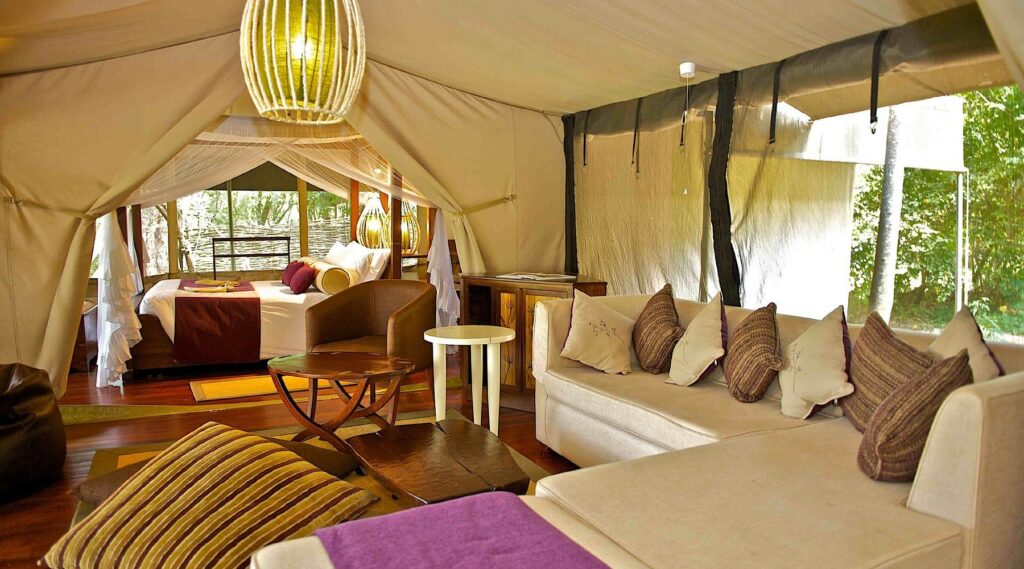
- Sekenani Camp: This camp is located near the Sekenani Gate on the eastern boundary of Masai Mara National Reserve and is usually within a few kilometers of it, often a 10- to 15-minute drive. Sekanani camp prices usually range from $200 to $350 per person per night on a full-board basis, depending on the season.
- Ilkeliani Camp: This camp sits in the eastern part of the Masai Mara in the Sekenani area, generally a short drive from the Sekenani Gate, 15 to 25 minutes away. Rates generally fall between $200 and $350 per person per night and are higher during the migration months.
- Mara Intrepids Camp: This camp is located on the banks of the Talek River in the southeastern part of the reserve and is typically a short drive from the Talek Gate, often around 10 to 20 minutes. It is well placed for lion, cheetah, and elephant sightings, with prices usually ranging from $250 to $450 per person per night.
- Mara Leisure Camp: Located in the Talek and Sekenani region of the reserve, within a manageable drive of the gate, usually between 15 and 30 minutes depending on the route and conditions. The camp is known as a relaxed, good-value option and offers comfortable tents with daily rates from $180 to $350 per person per night.
- Mara Engai Wilderness Camp:
This camp is found on the northern fringe of the reserve, near the Talek area, and is generally a drive of around 20 to 30 minutes from the nearest gate. Additionally, it offers raised or canvas-style tents with prices between $180 to $350 per person per night.
3. Luxury Tented Camps in Masai Mara
Luxury Masai Mara tented camps in the main reserve are positioned in some of the best wildlife areas and offer elegant tents, gourmet meals, and a high standard of personal service.
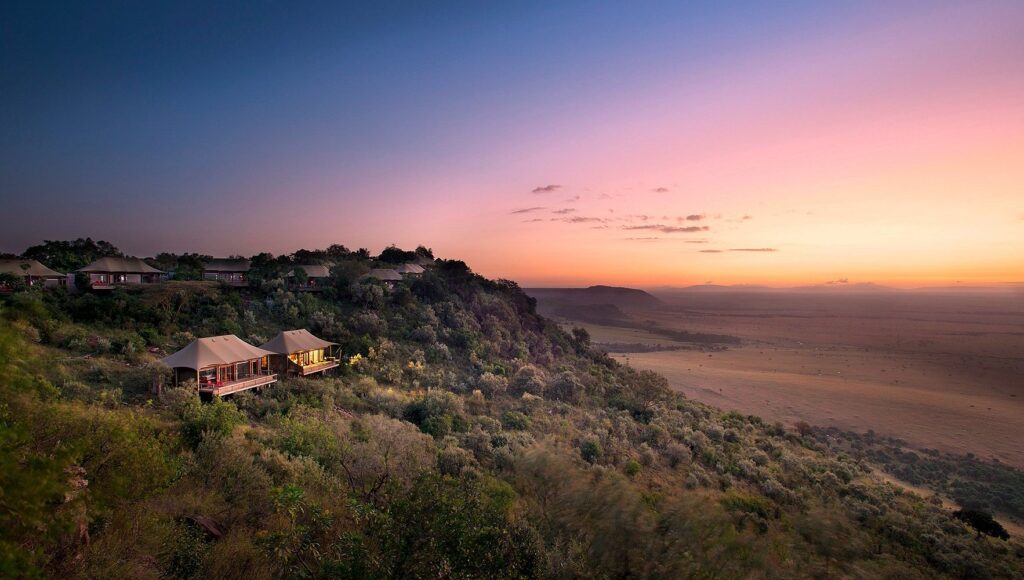
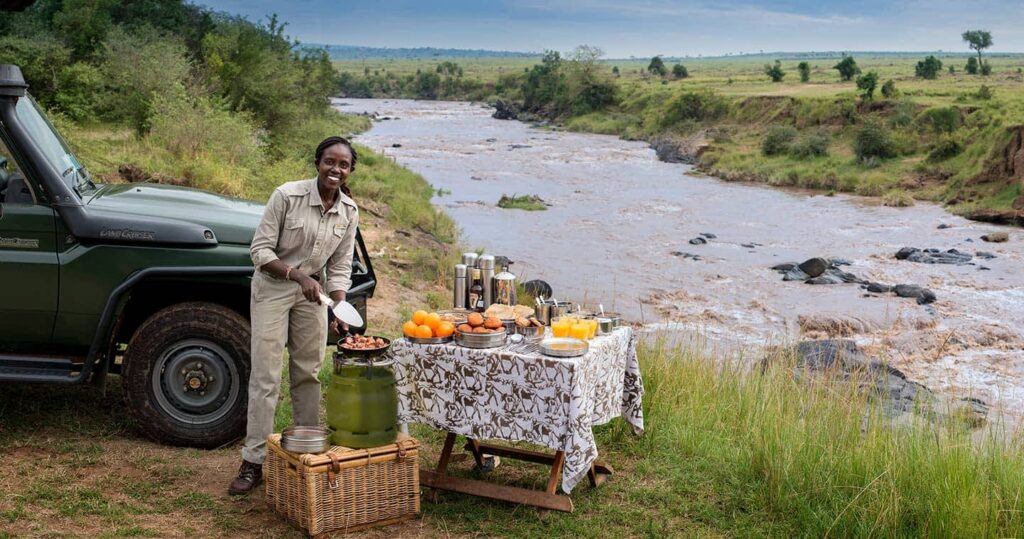
- Governors’ Camp: Located on the banks of the Mara River in the Musiara area, in the northern part of the reserve, and is usually a drive of around 15 to 30 minutes from the Musiara Gate, depending on the route. Tents at this camp are spacious and classically furnished, with bush breakfasts and balloon-safari arrangements available. Prices usually range from $500 to $900 per person per night in the high season, with lower rates in the green season.
- Little Governors’ Camp: This camp is a smaller, more intimate sister camp to Governors’ Camp, set on the edge of a swamp in the Musiara area. It is typically a short drive from the Musiara Gate, often 15 to 30 minutes, with daily rates between $500 and $850 per person per night in the peak safari months in Masai Mara.
- Angama Mara: Perched on the Oloololo Escarpment overlooking the Mara Triangle, close to the Oloololo Gate, Angama Mara luxury camp is usually about a 15- to 25-minute drive to the reserve itself. Game drives, bush breakfasts, and Masai Mara balloon safaris are available. Prices for Angama Mara Luxury Camp are often above $1,000 per person per night in the high season and lower in the quieter months.
- Sala’s Camp: Sala’s Camp is on the Sand River, in the southern part of the Masai Mara near the Sand River Gate, and is typically a drive of around 15 to 30 minutes from the gate, depending on the route. The area borders the Serengeti National Park and is important for the migration, with river crossings and large herds passing through from around July to October and camp costs are from $500 to $850 per person per night, depending on the season.
- Kichwa Tembo Tented Camp: Kichwa Tembo Tented Camp lies at the foot of the Oloololo Escarpment on the northwestern side of the reserve, in the Mara Triangle, and is generally within about 15 to 25 minutes of the Oloololo Gate. Additionally, the camp has spacious tents with en-suite bathrooms, hot water and verandas, a dining area, a bar, lounge and a swimming pool, with prices from $500 to $850 per person per night, and prices are higher in the Masai Mara migration months.
3. Private Conservancy Camps
Masai Mara Conservancy camps lie on private Maasai-owned land bordering the reserve. They limit the number of beds and vehicles, and they offer activities that the main reserve does not allow, such as night drives, guided walks, and off-road driving.
- Mara Plains Camp: Mara Plains Camp is in the Olare Motorogi Conservancy, in the northern part of the Mara ecosystem. The drive from the main reserve gates is typically 45 minutes to an hour and a half, depending on the track and the gate you use, and many guests choose to fly to the nearby airstrip instead. Prices for this camp are at the upper end of the market, often between $1,000 and $2,000 or more per person per night, usually including conservancy fees, meals and drinks.
- Kicheche Mara Camp: This camp is in the Mara North Conservancy, on the northwestern side of the ecosystem, and is usually about an hour’s drive from the Musiara Gate, or a short transfer from a nearby airstrip. The camp has a relaxed, wildlife-focused feel and is popular with photographers and returning safari travelers and rates $450 and $800 per person per night, and normally include conservancy fees, meals and activities.
- Porini Mara Camp: This camp is in the Ol Kinyei Conservancy, east of the main reserve, and is usually reached by a drive of about an hour from the Talek Gate or by a flight to a nearby airstrip. The camp is small and intimate, with only a limited number of tents, each with a comfortable bed and prices are from $450 to $800 per person per night and include conservancy fees and activities.
- Naboisho Camp: Naboisho Camp is in the Naboisho Conservancy, to the northeast of the main reserve, and is generally reached by a drive of around an hour from the Talek Gate or by a short flight to the nearby airstrip. Naboisho Camp rates generally range from $600 to $1,100 per person per night, with conservancy fees often included.
- Elephant Pepper Camp: Elephant Pepper Camp is in the Mara North Conservancy, on the northwestern side of the ecosystem, and is usually about an hour’s drive from the Musiara Gate or a short flight and transfer from a nearby airstrip in Masai Mara. The camp is known for its warm hospitality and for its commitment to local Maasai communities and conservation in Kenya. It has comfortable tents with en-suite bathrooms, hot showers, and verandas, together with a dining area, a lounge,, and a campfire.
Masai Mara Camping: Comparison of Accommodation Types
| Accommodation Type | Typical Facilities in Masai Mara | Best Suited To |
|---|---|---|
| Public campsite | Basic shared facilities bring or arrange camping equipment | Independent and budget travellers |
| Budget tented camp | Furnished tent, basic bathroom facilities and meals depending on the rate | Cost-conscious Masai Mara safari visitors |
| Mid-range tented camp | Proper beds, private bathrooms at many properties, dining facilities | Couples and families seeking comfort |
| Luxury tented camp in Masai Mara | Spacious camping tents, premium service and more extensive facilities | Travellers seeking a high-comfort Masai Mara camping safari |
| Conservancy camp | Tented accommodation with activities governed by conservancy rules | Visitors seeking a more private safari setting |
Factors to Consider Before Camping in Masai Mara
1. The Time of Year You Travel to Masai Mara for Camping
Timing shapes almost everything about your camping trip, from price to wildlife to comfort. The peak season for camping in Masai Mara runs from July to October, when the migration is in the Mara. Camps in this Kenya Reservr fill up quickly and rates are at their highest, so a camp in the Musiara area that costs $250 per person in April might cost $450 or more in August.
Also, the long rains in April and May bring the lowest camping prices and green landscapes, but roads to and in Masai Mara National Reserve become muddy and some camps close entirely. November and December bring short rains and a quieter, cheaper season that is still excellent for big cats and birds. If you want the wildebeest migration crossings, book your camping safari in Masai Mara six to nine months ahead. If you want solitude and discounts, choose the shoulder months.
2. Your total budget for camping in Masai Mara
Many first-time campers to Masai Mara in Kenya see the nightly camp rate and assume it covers everything, but there are other costs to understand. The Masai Mara National Reserve charges daily park fees to non-resident adults, currently around $100 per person per day in the low season and up to about $200 in the high season, depending on the dates and the current Narok County schedule.
Private Masai Mara conservancies charge their own camping fees, often between $80 and $120 per person per day on top of the camp rate, though many conservancy camps include them in the price. Also, budget for vehicle hire or transfers from Nairobi, guide tips, drinks that are not included in the rate, and optional activities like Masai Mara balloon safaris. Always ask the Serengeti Masai Mara Experts for a written list of what is and is not included.
3. The Location of the Camp in Masai Mara
This reserve is large, and your camp choice determines how much time you spend driving versus watching wildlife in Masai Mara. The main entry points are Sekenani Gate in the east, Talek Gate in the southeast, Musiara Gate in the north, Sand River Gate in the south and Oloololo Gate in the northwest, which leads to the Mara Triangle.
So, camps near Sekenani Gate in Masai Mara are convenient for road travelers from Nairobi but are in a busier part of the reserve. Camps near Musiara and along the Mara River are ideal for the migration and for the big cats around the Musiara swamp. Lastly, Masai Mara camps in the Mara Triangle enjoy fewer vehicles because the area is managed by a separate trust with stricter visitor numbers.
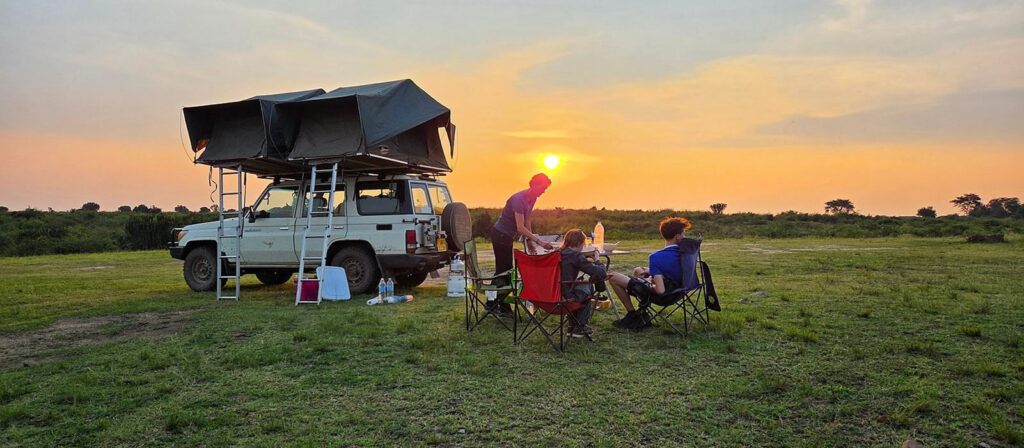
4. Safety and Wildlife Awareness
Masai Mara’s camps are mostly unfenced because wildlife must be free to move. That is part of the thrill, but it means rules matter. Most camp authorities ask guests to be escorted by a Maasai askari (a night guard) to and from the tent after dark to keep food out of tents and to keep zips closed. At a camp like Fig Tree on the Talek River, it is common for hippos to graze through the grounds at night, and a hippo is dangerous if you walk into its path.
All Masai Mara camp authorities brief you on arrival, and a well-run camp will have trained staff and radios. Ask how the camp handles night security before you book.
5. The Type of Camp and Level of Comfort You Want
Camping in Masai Mara National Park can mean very different things. A basic camp may offer dome tents on a grassy site with shared toilets and bucket showers. A mid-range tented camp in Masai Mara usually has walk-in canvas tents with proper beds and en-suite bathrooms. A luxury Masai Mara camp may have teak floors, writing desks, copper bathtubs and a private deck.
A mobile camp moves with the season and the wildebeest herds. Decide honestly which camp suits you. A traveler who needs a hot shower and a flushing toilet will have a miserable time in a basic camp, and a seasoned adventurer may find a luxury camp too polished.
6. Weather, Clothing, and Packing for Your Camping Safari in Masai Mara
This park in Kenya sits at around 1,500 metres above sea level, so days are warm and nights are cold. Temperatures can drop to 10°C at dawn on game drives, especially in July and August. So, you need a fleece or a down jacket for early mornings and light cotton clothing for the afternoon.
Neutral colors like khaki, olive and beige are best, because bright colors and blue or black clothing can attract tsetse flies and stand out to animals. Bring a hat, sunscreen, binoculars, a headlamp, insect repellent and a power bank, as many camps run on solar systems with limited charging points.
7. Health Requirements for camping in Masai Mara
Malaria is present in the Mara, so speak to a doctor about prophylaxis several weeks before your trip. A yellow fever certificate may be required if you are arriving from certain countries, and routine vaccinations should be up to date. Camps also sit far from hospitals, though most reputable camps are linked to air-ambulance services such as AMREF Flying Doctors. Check that your travel insurance covers medical evacuation.
8. Your Travel Group for the Masai Mara Camping safari
Who you travel with for your aAsai Mara camping safari in Kenya matters. Some camps do not accept children under a certain age, often 6 to 12, because of the open wildlife environment. Families should look for camps with family tents, child-friendly guides, and fenced or well-patrolled grounds.
Couples might prefer secluded tents on the edge of a conservancy. Solo travelers should ask our safari consultant about single supplements, which can add 30 to 50 percent to the rate. Photographers may want a camp in a conservancy that offers private vehicles with open sides and flexible game-drive hours.
Frequently Asked Questions About Camping in Masai Mara
1. Is camping in the Masai Mara safe?
Yes. Follow the camp rules since they are largely unfenced, but they employ trained Maasai guards who escort guests after dark, and guides brief you on arrival. Keep food out of the tent, keep zips closed, never walk alone at night and never approach animals on foot. Thousands of campers enjoy the reserve safely every year because the staff understands animal behavior far better than any visitor does.
2. What is the best time of year to go camping in the Mara?
July to October is the best time for the Great Migration in Masai Mara and the river crossings, though it is also the busiest and most expensive time. January to March offers calving season on the plains and good predator action, with fewer crowds. April and May are the cheapest, but rains can make roads difficult. November and December are quieter, green and good for birds.
3. Can I camp anywhere I like in the reserve?
No. Camping is only allowed at designated campsites in Masai Mara and in licensed camps. Wild camping is prohibited in the main reserve because of the danger to both people and animals. Conservancies in Masai Mara also have strict rules. Special fly camps, which are temporary and set up in remote areas, are arranged only by licensed camps and operators.
4. Do Masai Mara camps have electricity, hot water, and Wi-Fi?
Most mid-range and luxury camps in Masai Mara run on solar power and have hot showers, often heated by a boiler and delivered in the morning and evening. Charging is usually available in the main tent or in your own tent. Wi-Fi is often limited to common areas and can be slow. Budget camps may have limited electricity, so bring a power bank.
5. What does the price of a camp in Masai Mara usually include?
Most camps include accommodation, three meals a day, tea and coffee, and often local drinks. Luxury and conservancy camps frequently include game drives and fees. Budget camps may charge separately for Masai Mara park fees and drives. Always ask for a written list of inclusions, and ask about laundry, drinks, tips and transfers.
6. Can I go camping in the Masai Mara with children?
Yes. Many camps accept children, but policies vary as some set a minimum age of six or twelve, and others offer family tents and special programs. Children must stay with an adult at all times, especially near the river and after dark. Ask the camp about its safety measures and whether private drives are available, because young children can become restless on long shared game drives.
7. How do I get to a camp in the Masai Mara?
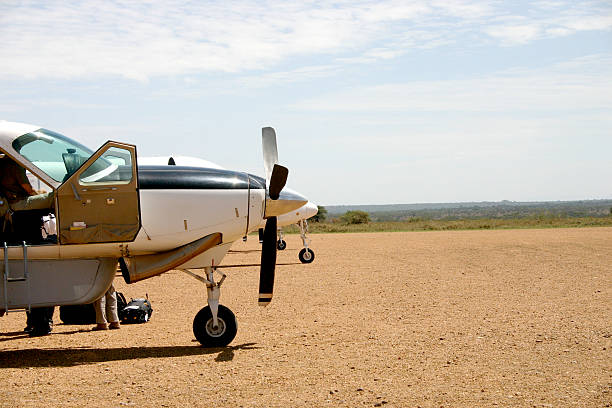
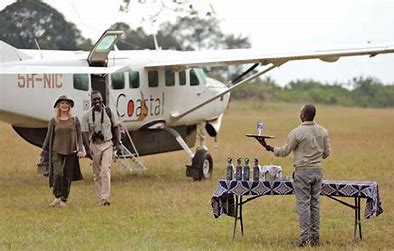
You can self drive from Nairobi to Masai Mara, which takes roughly five to six hours depending on traffic and road conditions, with the last stretch on rough tracks. The faster option is a flight from Wilson Airport to airstrips such as Keekorok, Musiara, Ol Kiombo, or Kichwa Tembo, which takes about 45 minutes, followed by a transfer to your camp. Flying costs more, but it saves time and tiring road travel.
8. What should I do if I have a medical emergency in the Mara?
Camps in Masai Mara usually carry first-aid kits, and staff are trained in basic emergency response. For serious cases, camps contact an air ambulance service such as AMREF Flying Doctors, which can evacuate you to Nairobi. Make sure your travel insurance includes emergency evacuation and medical cover, and tell the camp about allergies or health conditions on arrival.