Frequently asked questions about Masai Mara National Reserve | Masai Mara FAQs
A safari holiday in the Masai Mara National Reserve is exciting and also answers many questions. Visitors are often interested in the best time to visit Kenya for a Masai Mara safari, the cost of park entry, and where to stay.
Also, questions regarding what animals they can expect to see, the safety of the reserve, and whether they are guaranteed to see the world-famous wildebeest migration in Masai Mara. This comprehensive Masai Mara FAQs guide answers these and many other important questions to help you prepare for an unforgettable safari in Kenya.
Our safari specialists have created this guide, the Serengeti Masai Mara Experts to answer the most frequently searched questions from travelers planning a Masai Mara safari. So, it combines practical travel advice, updated visitor information, conservation insights, and expert safari tips to help you make informed decisions before your trip.
Are you planning a budget camping adventure, a luxury fly-in safari in Masai Mara, or a family holiday? Or a Masai Mara honeymoon, or a photography expedition? So, these Masai Mara National Reserve FAQs will provide reliable answers to almost every question you may have.
Frequently Asked Questions About Masai Mara National Reserve
Common Masai Mara FAQs about the reserve
1. Where is the Masai Mara National Reserve located?
Masai Mara lies in the Serengeti Mara area, which is shared with the Serengeti in Tanzania, but in the Narok County of Southwestern Kenya. Additionally, it is roughly 270 kilometers from Nairobi and is situated on the floor of the Great Rift Valley. Lastly, it is one of the richest wildlife environments on Earth because of its advantageous location. So, this permits animals, especially wildebeests and zebras, to freely cross the Kenya-Tanzania border in search of pasture.
2. What does “Masai Mara” mean in English?
The name “Masai Mara” is derived from the Maasai people, who have traditionally lived in this region. The Maa word “mara” means “spotted” and refers to the scenery studded with scattered acacia trees, rocky outcrops, bushes, and areas of woods across large open plains. The name accurately describes this Kenya reserve’s unusual scenery, which is visible from above.
3. How can one access the Masai Mara National Reserve?
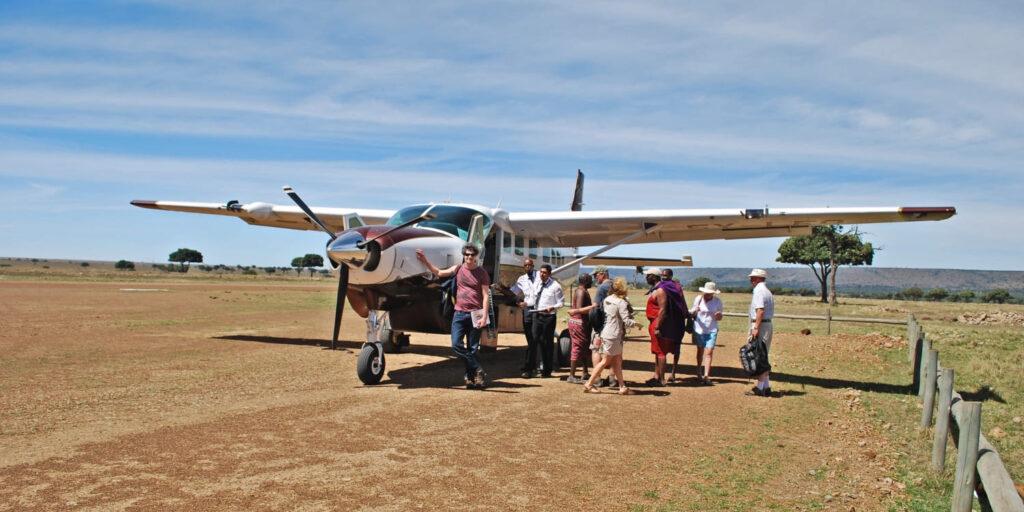
One can get to Masai Mara National Reserve either by road or by air. First, you can access this reserve via road transport from Nairobi, where the route is partly well-paved. So, as you approach the Masai Mara, some sections are rough and bumpy, most especially after you exit Narok town.
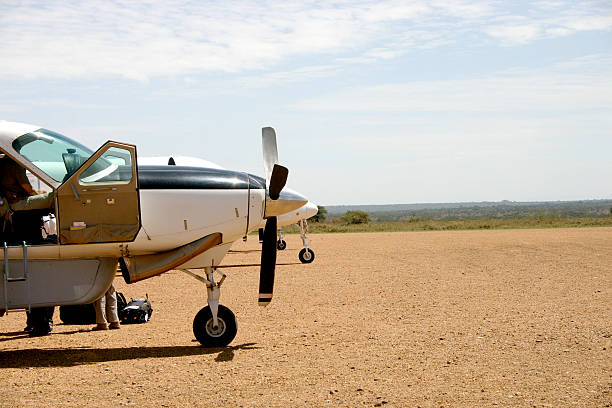
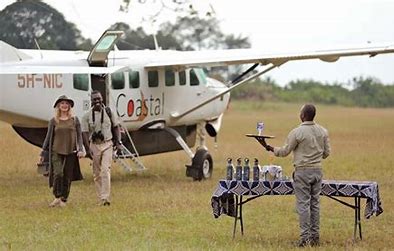
However, the 6-hour scenic road trip to Masai Mara from Nairobi is all worth it as you observe the views of the Great Rift Valley floor of Mount Longnot. Alternatively, the fastest means to get to Masai Mara National Reserve is by air in an aircraft. So, that is about 45 minutes to the Masai Mara airstrips, like the Musiara airstrip.
4. When was Masai Mara established?
Masai Mara National Reserve was established in 1961. However, it was transformed into a reserve in 1974, where part of the land was gazetted to the local community of the Maasai to solve the human-wildlife conflict.
5. What is the size of the Masai Mara National Reserve in Kenya?
The size of the Masai Mara is 1,510 square kilometers, including the private conservancies and the border shared between this reserve and the Serengeti National Park.
7. What is the Masai Mara National Reserve famous for?
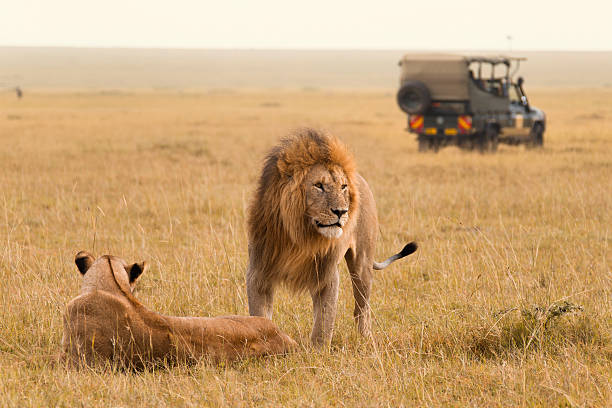
The Masai Mara National Reserve is popular for having a high density of big cats in Africa. So, that is to say, cheetahs and some of the big five animals in Kenya, like lions and leopards. Additionally, the Masai Mara is mostly famous for the dramatic crossings that happen from July to October. However, it also offers great cultural experiences and also the birding expeditions.
8. What is the weather like in Masai Mara?
The Masai Mara weather has temperatures during the day ranging from 25°C to 28°C, and at night drops to 12°C-8°C. Therefore, there is a kind of subtropical climate in Masai Mara; thus, temperatures are comfortable during the days.
9. Does it often rain in Masai Mara?
It depends on which season of travel for your Masai Mara holiday. From March to May, expect heavy downpours, whereas from November to December, there are light showers, and from July to October, during the long dry season in Masai Mara National Reserve, it hardly rains.
10. What is the difference between a reserve and a national park?
The reserve, like the Masai Mara, is owned by the local county authorities in Kenya alongside the community. So, that’s where the locals are allowed to co-habit on the land, and Masai Mara rules enforced are also flexible.
Lastly, a national park like Lake Nakuru is under government ownership, where strict and rigid rules are applied, and the local people do not cohabit within this ecosystem.
11. What are the entry gates for the Masai Mara National Reserve?
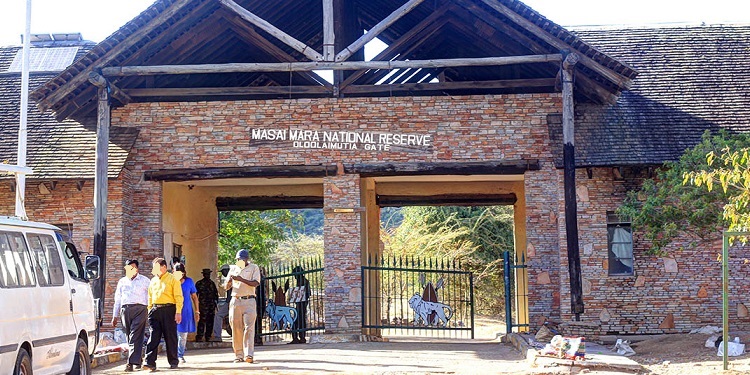
There are about 6 gates at the Masai Mara National Reserve, of which the Sekenani gate is the major one at the eastern side. Secondly, there is Talek gate at the central northern region, and Oloololo gate at the northwestern boundary. Lastly, Musiara gate at the northern border, Ololaimutia gate at the far eastern side and Sand River gate at the southern border.
12. How do I get from Masai Mara to Serengeti?
You can drive through the Isebania border from Kenya or pass via the Namanga border by road from Masai Mara to Serengeti. Alternatively, you can fly into the Serengeti airstrip, like Seronera, by booking a flight from the Wilson International Airport in Nairobi to Kilimanjaro International Airport, then to the Serengeti National Park.
13. How long does it take to fly to Masai Mara from Nairobi?
A bush flight from Nairobi City to the Masai Mara takes approximately 45 minutes. Additionally, use airlines like SafariLink. However, depending on which area to land in the Masai Mara, the flight time can take a maximum of an hour.
14. What is the best time to visit Masai Mara?
July to October is the best time to go to Masai Mara National Reserve for a safari with family, friends, couples, and adults, as it coincides with the dramatic crossings at the Mara River. Also, the Masai Mara weather between July and October is ideal for game drives and wildlife viewing.
Masai Mara entry fees, accommodation, wildlife, and safety Frequently Asked Questions
15. What are the entry fees for the Masai Mara National Reserve?
The Masai Mara park entry fees depend on whether one is a foreigner, an East African resident, or a Kenyan resident and are allocated as below:
Foreigners.
- Adults: $200
- Children: $50
Kenyan residents.
- Adults: 3000 KES
- Children: 1000 KES
East African citizens
- Adults: 5000 KES
- Children: 2000KES
16. Are visits to the Maasai boma allowed, and how much do they charge?
When it comes to cultural immersion, tourists in the Masai Mara National Reserve are allowed to visit the Bomas at a fee of approximately $25 per individual per day.
17. Are night game drives allowed within the Masai Mara National Reserve?
No, due to the large concentration of wild animals in the main reserve, night game drives in Masai Mara are risky. However, in the private Masai Mara conservancies, like the Mara North and Mara Naibosho Conservancy, night game drives are allowed.
18. What are the big 5 animals in the Masai Mara National Reserve?
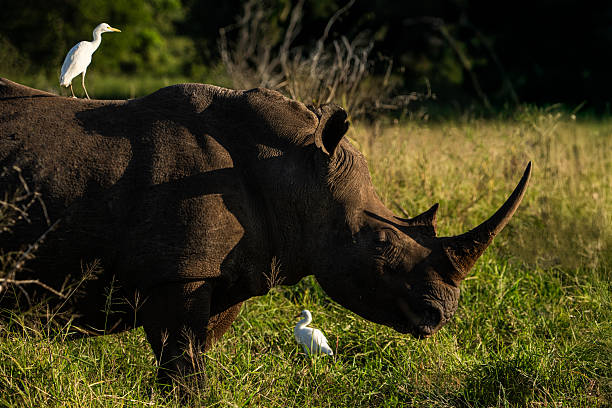
The Big 5 is a name given to the animals that were the most difficult to hunt on foot because of how dangerous they are. The Big Five animals in the Masai Mara include lions, buffaloes, elephants, leopards, and rhinos.
19. How long does the permit entry fee last in the Masai Mara?
From the time the gates open at 6:00 AM to the time they close at 6:00 PM is the window in which the permit fees for a day operate.
20. What happens during the great migration in Masai Mara?
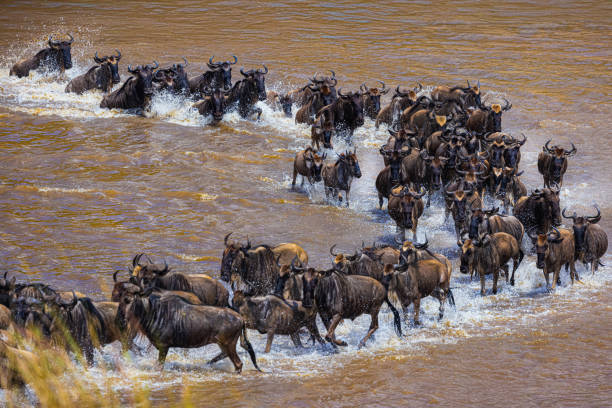
Over a million wildebeests, accompanied by the zebra herds and impalas, cross over in the dangerous waters of the Mara River that are infested by the Nile crocodiles to the other cliff edge towards the Serengeti National Park and vice versa.
21. When is the ultimate time to witness the dramatic crossings in the Masai Mara?
From July to October, with August being the peak month, are the ideal great migration dates in Africa to witness the dramatic river crossings in the Masai Mara.
22. What is better between staying inside or outside the reserve?
Staying inside is considered better because it’s easier for one to engage in safari activities like game drives, and you stay within the wilderness. Also, you even get a view of the wilderness animals up close via walking safaris in Masai Mara. However, staying outside the Masai Mara is cheaper, although you will have to drive to the main reserve.
23. What cellular coverage in the Masai Mara National Reserve is reliable?
Safari Com is the most reliable cellular mobile network in this reserve in Kenya.
24. Is it a must to tip the safari guide?
No. Tipping a guide during your Masai Mara safari holiday is not legally a must, but it’s done as a sign of appreciation and to motivate the safari guide/driver. So, it’s best to tip them at least $15.
25. Is a safari in the Masai Mara safe?
Yes, as long as you follow the Masai Mara rules and regulations of the reserve, as they are put there for your safety, then you are safe.
26. What is usually included in a safari package in the Masai Mara by Serengeti Masai Mara Experts?
- Transportation
- All meals
- Accommodations
- Free game drives
However, before any trip to Masai Mara, if one needs any of the excluded experiences, they can customise their itineraries with Serengeti Masai Mara Experts to be added to the list.
27. What is excluded in the packages in Masai Mara?
- International Flights
- Personal expenses
- Visa
- Additional optional safari experiences like Masai Mara balloon safaris
28. Which animals will I see in Masai Mara?
There are over 479 bird species in the reserve, like starlings and ostriches, as well as the Big 5 animals: lions, leopards, buffaloes, rhinos, and elephants. In addition, this park has over 100 other different species of mammals, like the wildebeests, zebras, and many more.
29. What accommodations are available in the Masai Mara?
Masai Mara National Reserve has a wide range of accommodations, from budget-friendly hotels like Mara Explorers Camp, which range from $60 to $150. Also, mid-range accommodations like the Sarova Mara Game Camp range from $25 to $400. Lastly, luxury Masai Mara lodges and tented camps like Angama Mara are in a range of $600-$2000 per night, per person.

30. Are there tigers in the Masai Mara?
No, the Masai Mara does not have any tigers, and Africa as a continent doesn’t have this species. So, tigers are found in various parts of Asia.
31. Are there special offers or discounts available in Masai Mara?
The special offers for Masai Mara safari packages, including the permit reduction, happen around Jan 1 to Jun 30 because this is when the reserve is less crowded. So, if you are to book with tour companies like Serengeti Masai Mara Experts, Goar Africa Safari Tours, or Tanzania National Parks, you are likely to have the best experiences in the Masai Mara National Reserve at very discounted rates between those dates mentioned above.
32. What is the 12-hour rule of Masai Mara?
The 12-hour rule states that you can use a single entry ticket to enter the Masai Mara National Reserve and stay there for up to 12 consecutive hours. The time starts to run as soon as your vehicle enters one of the official gates. On the other hand, the park shuts at 6:00 pm and opens at 6:00 am.
Have more questions about the Masai Mara National Reserve? Contact the Serengeti Masai Mara Experts for professional advice and personalized planning.