Serengeti Fly In Safari Guide: Direct Flights to Serengeti & Private Game Drives
A Serengeti fly in safari is the fastest and most comfortable way to experience one of the best Tanzania National Parks. Light aircraft flights from Arusha to Serengeti National Park save travelers 7-9 hours of difficult roads. So, you reach the Serengeti airstrips in about 1 to 2 hours, depending on the region of the park for your safari. Time saved on the road means more animal viewing, photography, leisure, Serengeti walking safaris, and other adventures.
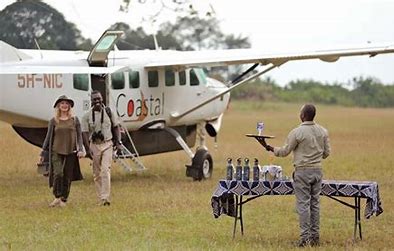
Choosing a Serengeti fly in safari allows visitors to access remote regions of the park that are difficult to reach by road. Serengeti airstrips such as Seronera, Kogatende, Kusini, Lobo, Kirawira, Sasakwa, and Fort Ikoma offer direct access to a range of wildlife habitats. You can stay close to seasonal Serengeti wildebeest migration corridors, predator territory, or quieter ecosystems. The journey begins as tourists touch down and are met by their guide from Serengeti Masai Mara Experts, who takes them off on a game drive.
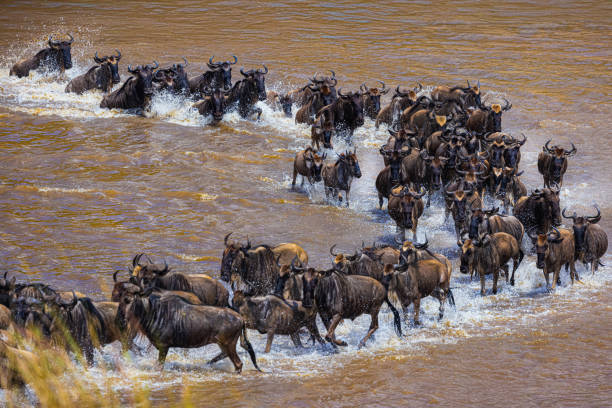
Flying over northern Tanzania is an experience in itself. From the air, passengers enjoy the Great Rift Valley aerial views, the Ngorongoro Crater, winding rivers, kopjes, and acacia woodlands. During certain times of the year (Africa migration dates), it is even possible to spot long migrating wildebeest columns in Serengeti from the aircraft before your first game drive.
A flying safari is particularly popular with honeymooners to Serengeti, luxury travelers, photographers, families, and visitors with limited vacation time. It reduces long road journeys and gives access to Tanzania’s best wildlife lodges and Serengeti tented camps, many only a short drive from the nearest bush airstrip. Lastly, combine Serengeti with Zanzibar or Ngorongoro for a fly-in safari, conveniently and offer incredible wildlife encounters from day one.
Why choose flights to the Serengeti for a safari?
- First, one maximizes the time for the Serengeti vacation when they use the fly-in tour option to access the Serengeti National Park rather than spending like 8 hours on the road from Arusha. Additionally, you spend approximately an hour or even 45 minutes en route to Serengeti from Arusha in a plane, and the rest of the time is used to enjoy other safari experiences.
- Secondly, Serengeti flying safaris help one access the remote areas of the park, like the Kogatende region. So, you easily access and experience the dramatic river crossings of the great migration through this private safari.
- Next, the first few days of the Serengeti safari holiday can be overwhelming, especially if one travels by road because the roads can be uneven. However, flying to Serengeti for a safari makes traveling more comfortable and convenient. Also, it provides an all-around aerial view of the rolling highlands of Ngorongoro as well as the endless plains of the Serengeti.
- Lastly, a Serengeti fly-in safari offers unhindered views of even the hidden beauties, and the photography from above is exclusive.
How a Serengeti Flying Safari Works (Detailed Process)
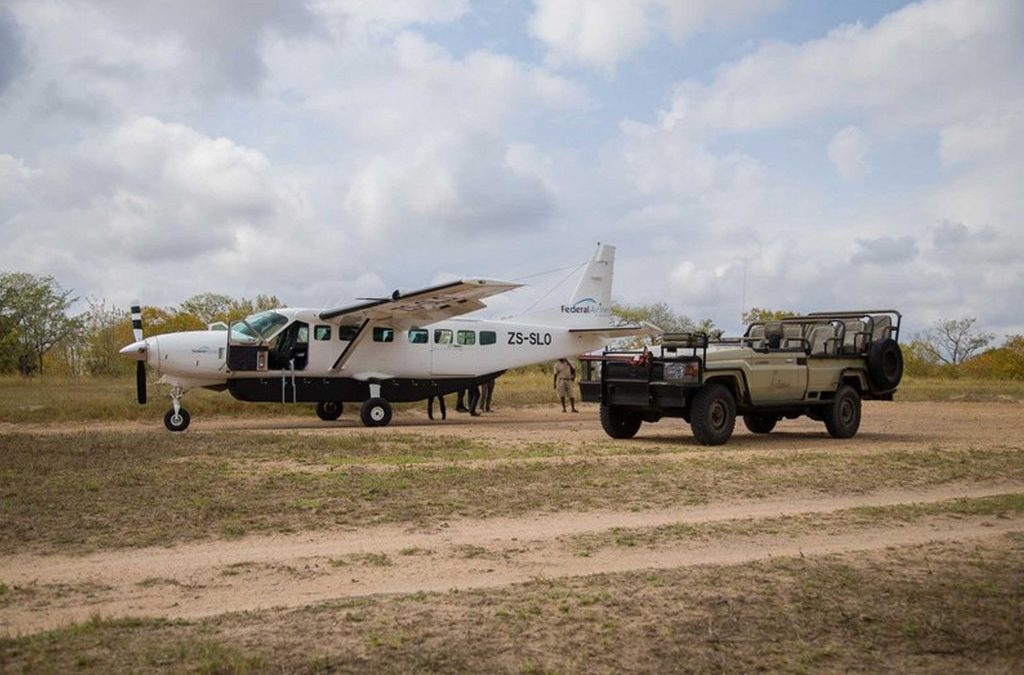
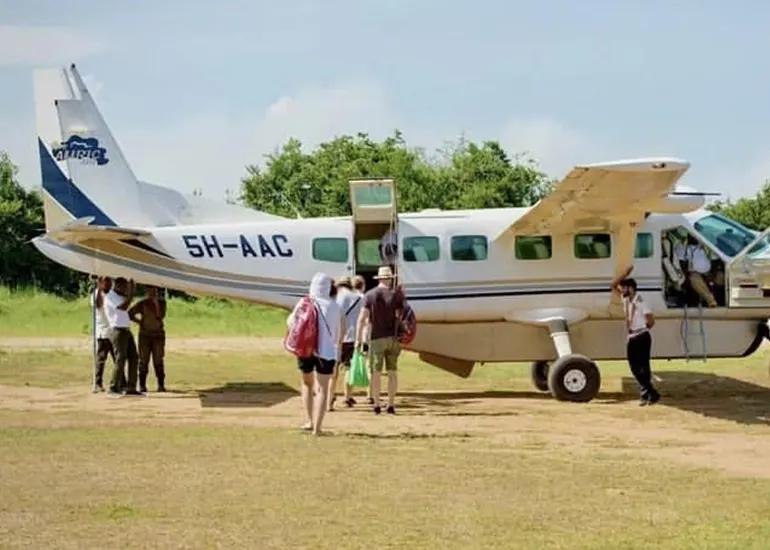
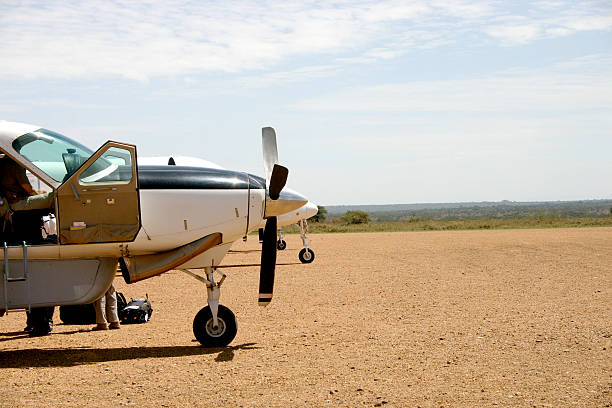
After presenting your national ID or passport to security, you are briefed by your pilot before boarding a small aircraft with a seat capacity of 12 and a luggage limit of 15 kg from either Arusha or Kilimanjaro International Airport.
It can take approximately 45 minutes to reach Serengeti NP from Arusha, depending on the airport you use. From Kilimanjaro International, it is estimated to take about 1 hour and 25 minutes. On the way, you are going to appreciate scenic views of the plains, where you can see the dark lines of the wildebeests as they make their way towards the Mara River.
When you land, your lodge provides a safari driver or guide to pick you up and take you to your accommodations. Following your safari, you are scheduled to be transported to the airport, where you catch a plane to return to the main airport at the end of your private Serengeti flyin holiday in Tanzania.
When is the ideal time for fly in safari in Serengeti?
June to October are long dry season months, and the Serengeti weather and climate itself is very convenient for the flight operations to take place. The Serengeti grasslands are more visible during this time because there are no thunderstorms, unlike the rainy season from March to May.
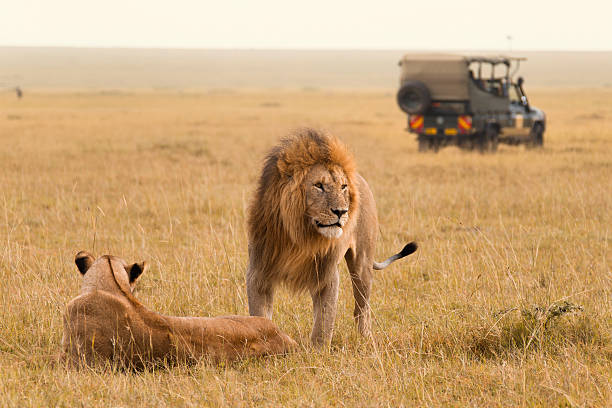
From the plane, one can see a variety of wildlife during this best time to visit Serengeti, like the Kenya Big 5, the Somali ostriches, and Maasai giraffes. The weather is also perfect for flights to the Serengeti during the Ndutu calving season, which is between January and February.
Top Recommended Luxury Camps for Serengeti Fly In Safari Travellers
Asilia Sayari Camp.
Situated on the northern boundary of the Serengeti National Park near the Kogatende airstrip, it is just 20 minutes away. Additionally, it has great access to the river migration access points. Also, this luxury camp hires expert guides who are knowledgeable about animal movements by following tracks. This tented camp has an infinity swimming pool, a wine bar, and cozy, spacious rooms that have a private outlook. Lastly, its prices per night are estimated to be about $1000 per head.
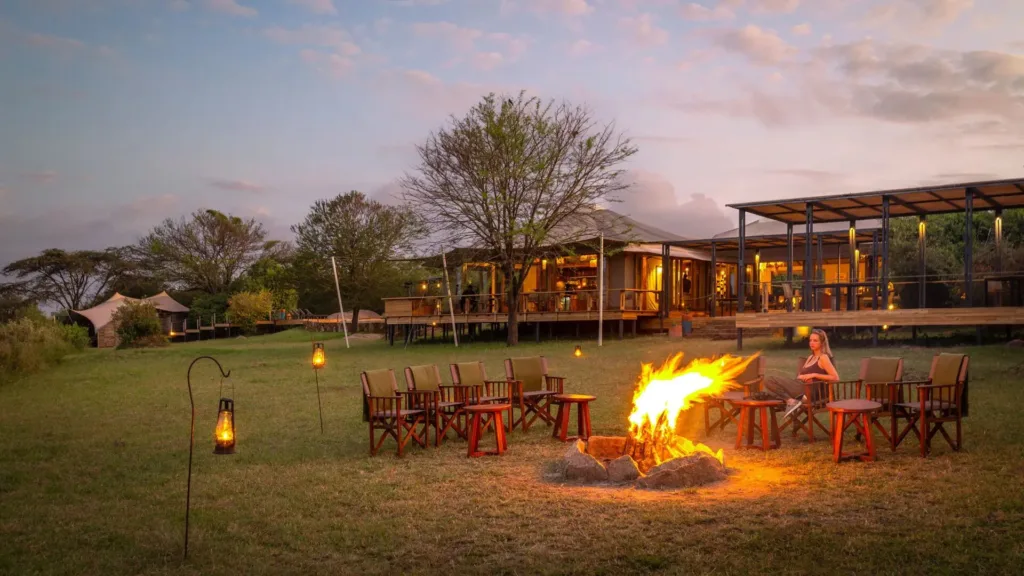
Serengeti Bush Top Luxury Camp.
The Serengeti Bush Top Luxury Camp, located near the Masai Mara National Reserve in the northern plains of the Serengeti, has exquisite canvas tents. In addition, these tents have a deck overlooking the stunning views of the Serengeti plains and a restaurant serving gourmet cuisine with warm hospitality. Prices per night at this camp are approximately $1200 per person. Visitors on fly-in safaris at Serengeti Bush Top Luxury Camp are provided with a private vehicle and free tour equipment, such as binoculars.
Namiri Plains by Asilia.
This vibrant accommodation is part of the Asilia group in Africa and is located near the Ngare Nanyuki River on the southeastern boundary of the Serengeti. Namiri Plains Camp prices per night are estimated to be about $800, and it’s about a 50-60 minute drive from the nearest airstrip, which is Seronera. Fortunately, this camp provides guides that are great at predator tracking, and the tents have expansive decks that offer a great view of the plains.
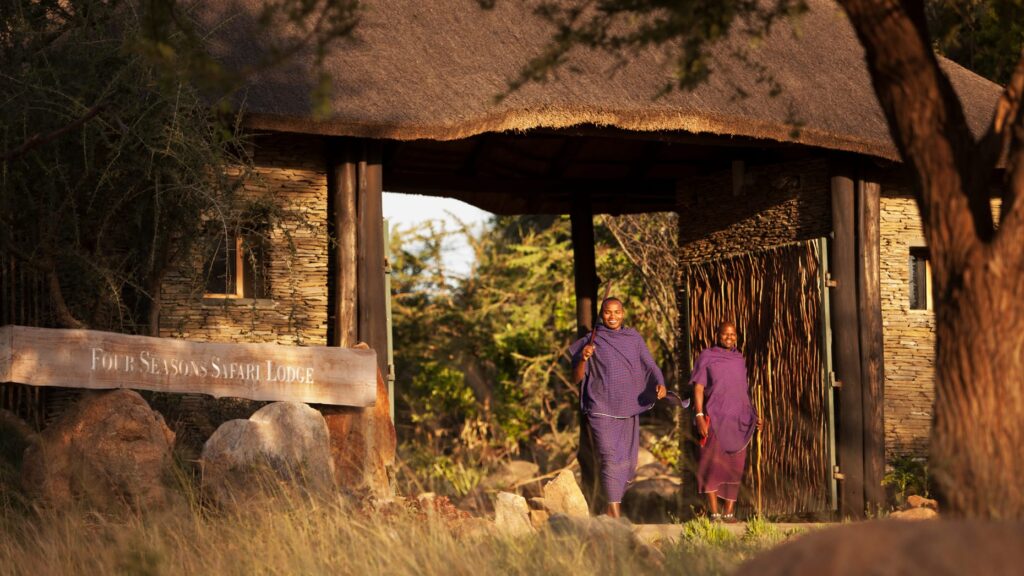
Four Seasons Safari Lodge Serengeti.
In the Central Valley of the Serengeti around the Seronera area, about 45 minutes drive from the Seronera airstrip, is where this private Serengeti accommodation is. Also, it is known for offering multi-cuisine dishes, whereby prices are about $1000 per person. The lodge panoramas guide you to the waterholes where the elephants come to drink water.
Lastly, each room has its own private dining area, some with a plunge pool in the front yard, and hot air balloon safaris in Serengeti are part of what is offered here.
Singita Faru Faru Lodge.
Strategically located via the Western corridor in Serengeti where the wildebeests pass during the migration, fly-in trips here are phenomenal. So, this is because one gets to track down the movement of the herds of the great migration. Also, it is a 10-15-minute drive away from the Sasakwa airstrip, where this place is more exclusive, offering great, uninterrupted access to animal sightings, unlike the other accommodations.
Singita Faru Faru lodge prices per night are estimated to be about $1500 per person, depending on the season.
Popular luxury Serengeti flying safari packages
Frequently Asked Questions for Flights to Serengeti
1. How many airstrips are in Serengeti?
There are 7 main airstrips in the Serengeti National Park, starting with the Seronera airstrip in the central valley that is usually overcrowded and the largest. Kogatende airstrip in the Northern region near the Mara River and Serengeti Kusini airstrip in the South of Serengeti, strategically located near the kopjes. Then, Lobo airstrip in northeastern Serengeti and Kirawira B Airstrip along the western corridor near Grumeti. Lastly, there is Fort Ikoma Airstrip in the northwest and Sasakwa Airstrip, serving the Grumeti Game Reserve of Serengeti.
2. What happens if one exceeds the luggage limit of 15kg before their flights to Serengeti?
The authorities at the airport keep the excess luggage, as anything beyond 15 kg can lead to accidents due to the imbalance of the plane mid-air.
3. Do I have to share a safari vehicle with other people during my fly in safari?
That entirely depends on the arrangement you make with us, the Serengeti Masai Mara Experts or the lodge that is accommodating them. Fortunately, high-end lodges in Serengeti usually provide private safari vehicles.
4. Can you self-drive during fly-in safaris in the Serengeti?
Yes, self-driving in Serengeti after flying to this park is allowed. However, having a safari guide or tour operator is best, and you must have knowledge
5. What is required for a flying safari in the Serengeti?
Luggage requirements.
- The luggage must not exceed a weight of 15kg. Also, it’s better to carry a duffel bag, as it fits well and can easily be compressed to fit the weight limit, unlike hard suitcases. Hence, should pack more essential requirements to utilize the packing space.
Documents.
- One should carry a passport that is at least valid for 6 months, as this is what is required by the authorities at the major airports, including Kilimanjaro International and Arusha.
- Secure a Tanzania tourist visa on the e-Visa Portal, wherein the projected cost per person is $83. Also, if you plan to stay in accommodations within the park, you will also need to pay daily concession fees in Serengeti.
- You must have a yellow fever vaccination card to demonstrate that you are risk-free of the illness if you are from an area like Asia that may be susceptible to the sickness.
- Similarly, since the Serengeti is a place where diseases like malaria and other medical emergencies are common, you need to obtain health insurance.
- Cash is frequently required for tips or for personal costs, particularly in Tanzanian currency.Finally, regarding flight balance, one must display their weight because the aircraft’s capacity can only accommodate a certain