How Much Does a Masai Mara Safari Cost in 2027? Prices & Fees
One of the most common questions travelers ask our Serengeti Masai Mara Experts is, “How much does a Masai Mara safari cost?” Therefore, it’s crucial to know the Masai Mara safari cost prior to your booking. A Masai Mara safari can cost from around US$250 per person per day for a basic group or camping safari to more than US$2,000 per person per day for a luxury private or fly-in experience. Most travellers spend between US$500 and US$900 per person per day for a comfortable mid-range safari. Although the final Masai Mara National Reserve safari price depends on travel dates, accommodation, group size, transport, park fees, airport transfers in Kenya and what is included in the package.
Whether you’re dreaming of witnessing the spectacular Great Wildebeest Migration or spotting the Big Five animals in Kenya, enjoying a luxury Masai Mara fly-in safari or travelling on a budget, knowing what factors influence this park’s safari prices allows you to plan wisely and avoid surprises. The cost of a Masai Mara trip in Kenya varies considerably depending on several factors. Mid-range Masai Mara budget safari prices require one to hire a tour guide and choose between camping and staying in inexpensive accommodation. Masai Mara luxury safari costs are for those who fly in and have everything catered to for them.
So, that includes prices for hot air balloon tours in Kenya and gourmet meals. Budget-friendly safari costs prompt one to enjoy Masai Mara safari tours, but at a minimum price, whereby accommodation is on them. On average, a Masai Mara safari cost ranges from $2,200 to $12,000+ per person for a 4-7 day trip, depending on accommodation, season, transportation, and group size. While budget camping safaris can cost as little as US$250 per person per day, exclusive luxury fly-in safaris can exceed US$2,500 per person per day. This price guide provides a breakdown to help you plan your best affordable Masai Mara holiday without surprises.
How Much Does a Masai Mara Safari Cost in 2027?
A Masai Mara safari tends to set you back anything from a relatively affordable $250 to a seriously pricey $3,000 per person per day or even more. Budget group safaris are your cheapest bet but private luxury and Masai Mara fly-in safaris really put a dent in your wallet. A mid-range safari , where you get a good balance between cost & comfort, usually falls in the $500-$900 per person per day ballpark.
The price of a Masai Mara safari of course, is heavily influenced by a few key things, the time of year, what kind of accommodation you go for, park entry fees, how many people you’re sharing with, how you get around, and whether you go it alone or join a group.
What Determines the Masai Mara Safari Cost?
Several important factors influence how much you will pay for your tour in Masai Mara National Reserve. So, these factors affect either the tour price either increase or decrease it. Hence, it is advisable when planning for any Masai Mara tto always consider the following so as to match your budget.
1. Travel season to the reserve
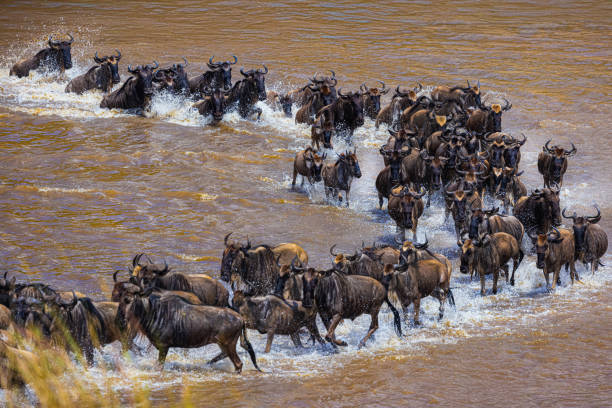
The travel season is one of the aspects that leads to either an increase in the number of crowds in the Masai Mara National Reserve or a decrease, and this is how. From July to October, the reserve is hosts the extraordinary dramatic Mara river crossings in Kenya. So, this world phenomenon is usually witnessed by many tourists during this time . Hence, since they come in large numbers, safari vehicles are scarce and also most of the spaces in the accommodations is usually occupied by people.
Thus, to pull strings so that one can get one of these they are bound to pay a higher price for their Masai Mara itinerary. Hence, the cost of their safari in Masai Mara becomes more expensive in the peak travel season unlike the less popular period from January to February. Those months also have good weather and Masai Mara tour prices are more modest, therefore one should choose a season that aligns with what they would want to spend.
2. Transportation Costs
Masai Mara is accessed by road transport most commonly from Nairobi and Air transport from the Wilson International airport. Therefore, it’s one’s choice to choose between the road safari that takes about 6-7 hours or a shorter air trip. Sometimes, traffic can lead to the delays but the scenic transitions on the road make the trip to Masai Mara worthwhile yet cheap through renting a vehicle from as low ast $100 per day.
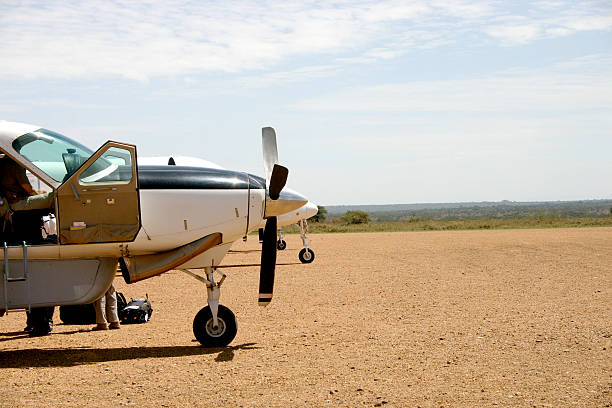
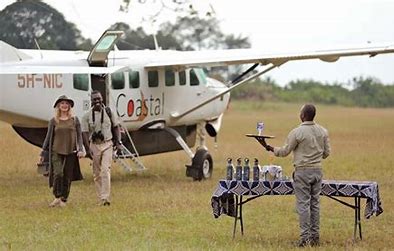
So, this comes with a safari guide, but a fly in safari to Masai Mara from Nairobi costs up to $1200 per person. However, it is convenient as sometimes it comes with a bush meal and a game drive to a place of accommodation. Lastly, you need to know that if you pay for a fly in trip to Masai Mara, the safari prices are high but faster compared to one using the road.
3. Masai Mara Accommodation Costs (Budget vs Luxury Travellers)
How do you want to spend your nights during a safari in the Masai Mara National Reserve? Do you have a raw, intimate experience where you camp in the open grasslands of the Masai Mara? Or want an affordable tented camp in Masai Mara where you sleep in the wilderness but have your own space. Would you consider sleeping in a luxury Masai Mara lodge with a private deck that has a plunge pool?
So, all of this depends on how much money that you are to dedicate to the accommodation during your Masai Mara safari holidays. If your accommodation budget is below $100, it means you should consider low-cost accommodation like Tor’s camp. Next, if your budget for accommodation is between $350 and $400, you might opt for the mid-range lodge like the Mara River lodge. Lastly, when your budget is beyond $800, you should sleep in luxurious accommodations in Masai Mara, Kenya, like the Llora retreats.

4. Group size and cost-sharing
When you’re organizing a trip to Masai Mara and you are below 2 individuals, the costs are higher than if there are more than 4 individuals. So, this is because the transport costs are divided among each and every one, and companies for Masai Mara safaris like Serengeti Masai Mara Experts, Goar Africa Safari Tours, or Tanzania National Parks normally give large groups of people better packages. Additionally, costs for group safaris to Masai Mara are cut on accommodation, meals, and even experiences like the game drives.
However, large groups make the safari more fun and less expensive; you might get distracted during a game drive and might miss out on seeing a leopard that is hidden on top of a tree because of the ongoing conversations. But when you are in a group of two people, the Masai Mara tour is more focused, as the tour guide also gives you more attention. Therefore, you get a deeper understanding of the wildlife species in Masai Mara and their habitats.
5. Safari duration and value
The longer the safari in Masai Mara, the more profitable and productive it is, as you get accustomed to the reserve. So, uncover what you could have missed out on in the past days. Let’s say on the first three days in Masai Mara, you don’t see the great migration crossings; you are likely to witness this at least on the fourth day.
Also, even if the 5-day Masai Mara trip might be costlier than the 3-day safari, it is more efficient because you might get to pay a lower price but miss out on such great sightings. Although many of the dramatic crossings happen between July and October, it’s not that they happen every day during these months.
6. Masai Mara Park Entry Fees
There is no way to enter any of the Masai Mara National Reserve’s gates without a permit. You can pay online through the Kenya Airport Parking Services Portal or in person at the gate. However, cash is not accepted; instead, you must pay with a debit or credit card or M-Pesa.
- Adult foreigners: $100; children: $50
- Kenyan citizens: KES 1500 for adults and KES 300 for children
- Adult East African citizens: KES 2500; children: KES 100
Residents of the Masai Mara National Reserve pay an additional concession fee of KES 1000, while foreign adults pay $80 and minors pay $45. East African citizens pay KES 1000 and children KES 500.
Please take note that the above-mentioned Masai Mara permit charges are for the low season; they double during the busy season.
7. The Masai Mara Safari Cost for the Exclusions.
It is advised to bring extra cash or money that should be included in the budget for an expedition in the Masai Mara. So, this is because there are certain exclusives that cannot be included in the Masai Mara safari package, such as international flights, tips, and personal expenses.
Sample Masai Mara Safari Cost Breakdown (Per Person, 2026 Estimates)
Extra Activities to do in Masai Mara That Increase its Safari Cost
1. Game drive experiences
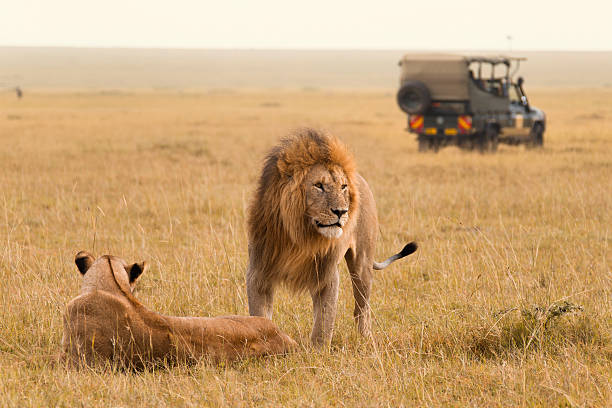
For example, if you want to take a game drive through the Mara triangle, where you are likely to see the big cats (lions, leopards, and cheetahs) for an entire day, you will be charged about $180. So, this is to control vehicle traffic within the reserve because if the price is lower, many people may be able to afford it, resulting in large crowds that may eventually cause damage.
2. Visit to the Manyattas (Maasai Cultural Tours)
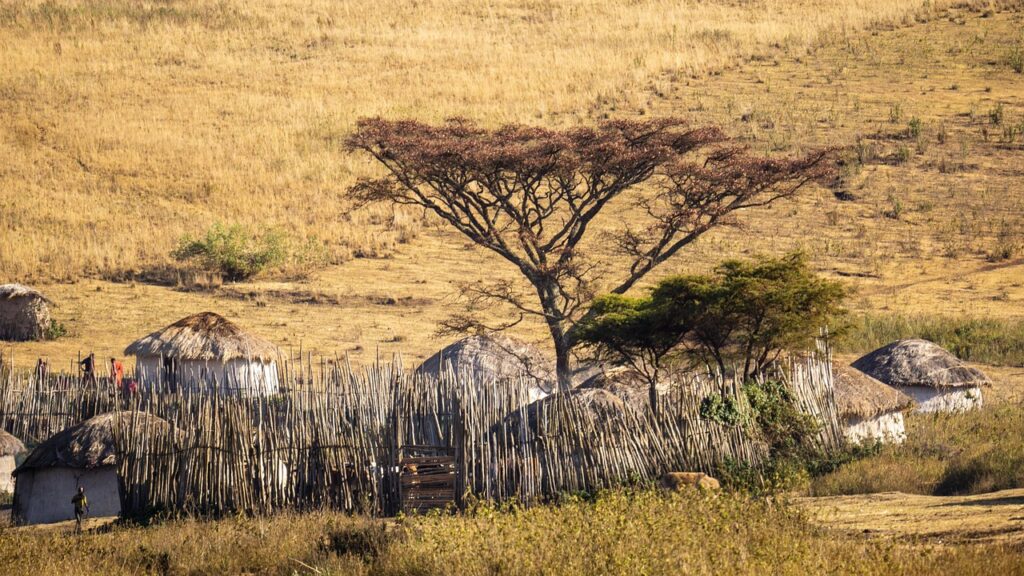
The Maasai culture is one of the most distinctive in Africa. These people continue to preserve their ancestral heritage by wearing traditional clothing and building their homes out of mud and dung. As a result, they offer unique Masai Mara cultural safari experiences. To support them, you only need to pay a fee of roughly $35 per person, which raises their standard of living and shows them how much you appreciate being welcomed into their community.
3. Walking safaris.
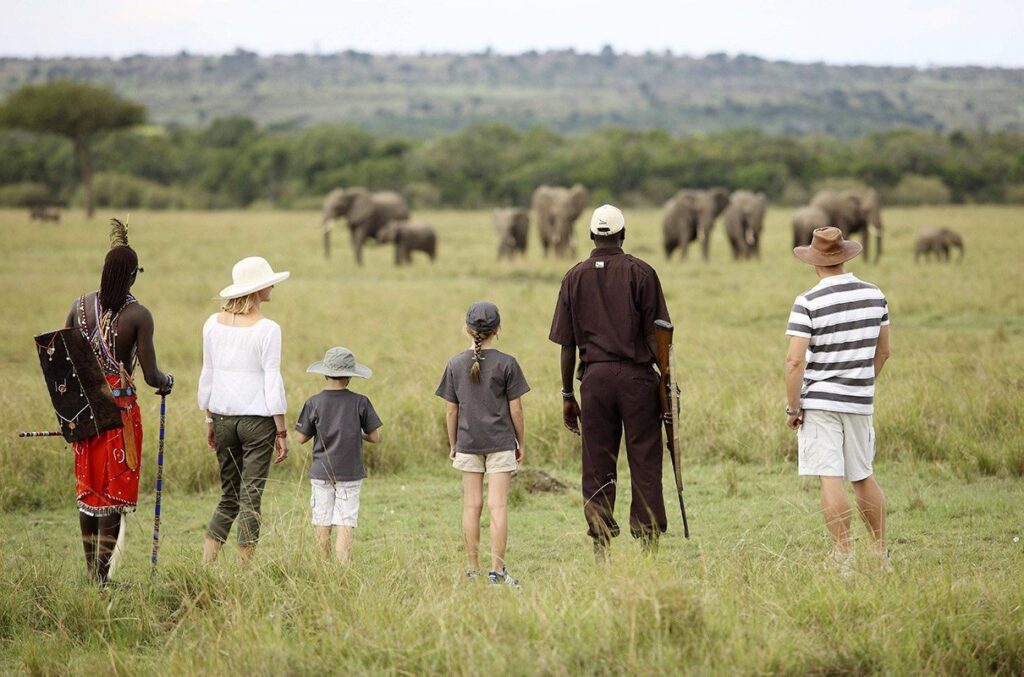
At an estimated cost of $60 per person, you can develop a closer relationship with Masai Mara’s Mother Nature by exploring it on foot rather than in safari vehicles. Here, you can experience the wilderness by eating wild berries and studying animal footprints and fossils discovered along the way. Also, learn how to survive in the wilderness using traditional methods during your Masai Mara walking expeditions.
4. Mara River crossings expedition.
During the Mara River crossings, there’s drama that comes about in the fight for survival. So, the Nile crocodiles need food to survive, so they ambush the wildebeests and zebras that are also crossing to the other side for better food and shelter. Hence, this is one of the most thrilling events in the world, and it comes at a cost of $50 per person in the Masai Mara.
5. Rhino tracking.
Tracking the movement of one of the most deadly species in the Masai Mara has historically been difficult. But it’s also thrilling and safe because you will be protected by an armed ranger for $80 per person.
However, the majority of these fun Kenya activities to do in Masai Mara are typically included in the safari package that is offered, so you only have to pay for them if they are not.
Actionable Tips to Save Money on Your Masai Mara Safari
- Travel in shoulder season (Jan-Feb) for significant safari price savings.
- Join a small group instead of going private in the Masai Mara.
- Book 8-12 months in advance for early-bird discounts.
- Choose fly-in packages to cut down on long road transfers.
- Combine with nearby national parks in Kenya (e.g., Lake Nakuru or Amboseli) for better overall value.