Great Migration in Masai Mara | Best Time, River Crossings & Safaris
Masai Mara great migration Safari Overview
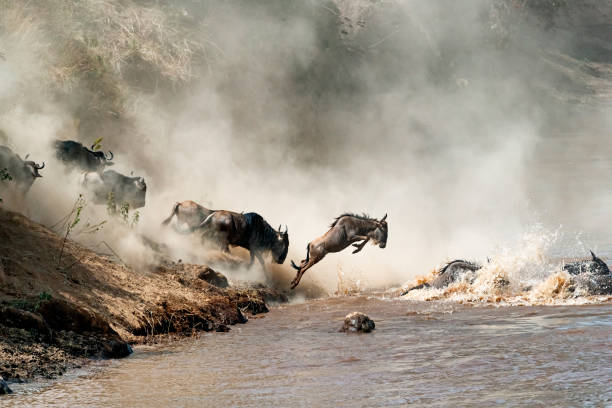
The Great Migration in Masai Mara is one of Africa’s most popular wildlife safari experiences, bringing huge numbers of 1.3 million wildebeest, 250,000 zebras and about 900,000 gazelles into Kenya’s reserve as they follow seasonal rainfall and fresh grazing across the Serengeti-Mara ecosystem. Also, the Masai Mara wildebeest migration is listed as one of the 7 natural wonders of Africa (officially declared in 2013). For many travelers, the highlight is watching enormous herds gather along the Mara River, where some may attempt dramatic crossings while crocodiles wait in the water.
The Masai Mara Great Migration season is generally from July to October, although the exact arrival and movement of the herds changes from year to year. July and August can see the first major movements into the Mara, while August and September are traditionally popular months for witnessing river-crossing activity. By October, some herds begin moving south again toward Tanzania. The timing is driven by rainfall, grass and animal movement rather than a fixed calendar, so a river crossing can never be guaranteed on a particular day.
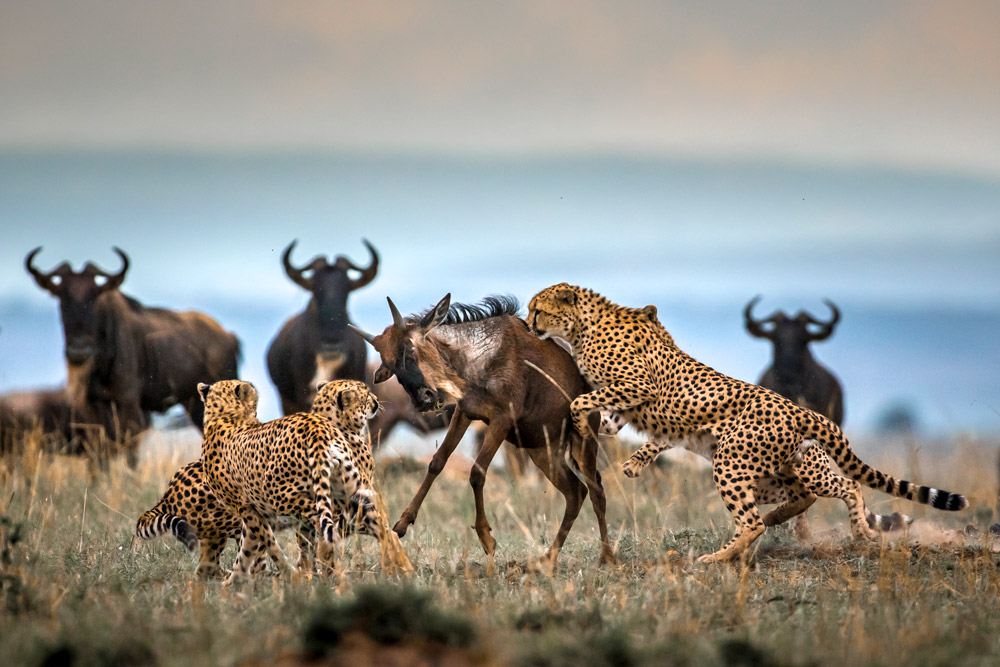
But the Great Migration in Masai Mara National Reserve is much more than a river crossing. During wildebeest migration season in Masai Mara, the park’s open grasslands offer exceptional opportunities to see wildebeest and zebra herds, lions, cheetahs, leopards, hyenas and other predators following the abundance of prey. The scale of the herds, predator activity and constantly changing wildlife action make every game drive different.
In this guide, we explain when to see the Great Migration in Masai Mara, what happens during the Mara River crossings, the best areas to stay. Also, how many days you need, what a migration safari costs, how to avoid disappointment, and how to choose the right Masai Mara safari for your migration trip.
Great Migration in Masai Mara at a Glance
Wildebeest Migration in the Masai Mara, Kenya: Key Facts & Figures
| Fact | Figure / Information |
|---|---|
| Main species | Blue/white-bearded wildebeest (Connochaetes taurinus) |
| Migratory wildebeest population | Approximately 1.3 million according to the Convention on Migratory Species; published estimates vary by survey method and year |
| Zebra travelling with the migration | More than 250,000 |
| Thomson’s gazelles | Hundreds of thousands; UNESCO lists about 900,000 in the wider Serengeti ecosystem |
| Migration route | Roughly 800-1,000 km in an annual circular movement, depending on how the route is measured |
| Countries involved | Kenya and Tanzania |
| Main Kenyan destination | Maasai Mara National Reserve and the wider Mara ecosystem |
| Main Mara season | Generally July-October |
| Strong river-crossing period | Often August-September, but timing varies annually |
| Main river | Mara River |
| Primary migration drivers | Rainfall, fresh grass, water availability and seasonal pasture conditions |
The Great Migration Masai Mara Kenya (Explained)
Where do the wildebeest migrate to and from? The Great Wildebeest Migration is an annual, ongoing movement of wildebeest, zebra and gazelles through the Serengeti-Mara ecosystem. Rainfall is the dominant factor because it determines the presence of fresh nutritious grass and water. As the grazing is eaten up and the dry season comes, the herds go to places with more pasture and more dependable water that’s from the Serengeti via the Western Corridor and Grumeti River to Masa Mara.
The movement into Kenya’s Masai Mara is therefore part of a larger annual cycle rather than a separate event. Predators such as lions, hyenas and crocodiles take advantage of the large herds, but avoiding predators is not the primary reason for migration. The timing varies each year because rainfall and grazing conditions in Masai Mara and Serengeti National Park change. So no exact arrival or river-crossing date can be guaranteed but our experienced Serengeti Masai Mara Experts always time that safari right.

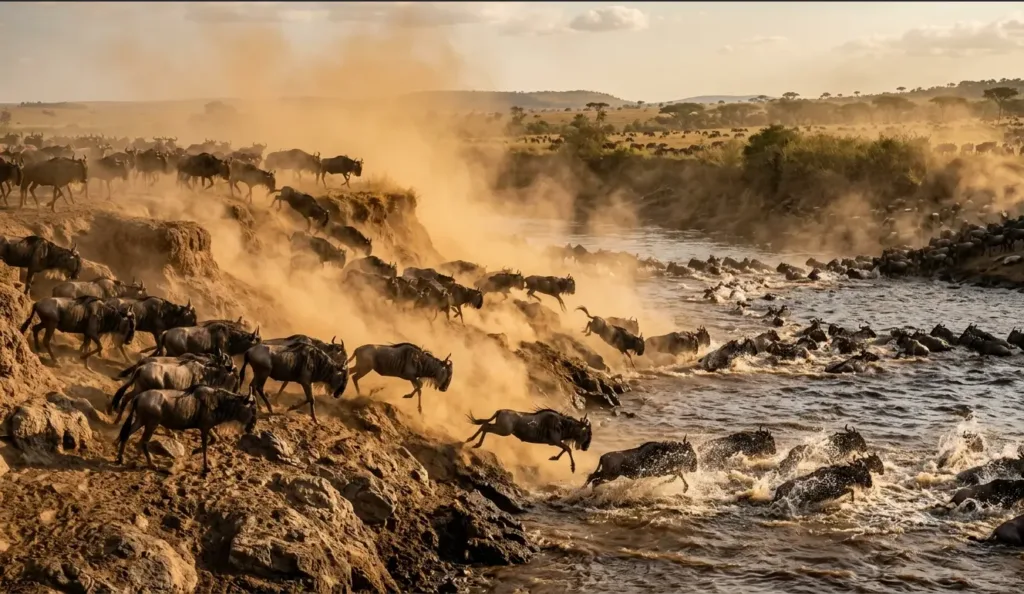
ultra wide angle shot of wildebeest herd crossing the mara river at masai mara national reserve in kenya
Month by Month Wildebeest Migration Masai Mara
The Kenya migration safari is full of hindrances as wildebeests go through some migration routes, such as the Mara River that accommodates the Nile crocodiles. These see the movement of these large herds of animals through the Mara waters as a chance to prey on some of them. However, their movement in massive herds an additional advantage to them as they can form a defensive barrier against the predators.
July
The wildebeests, following the advantageous climatic conditions, start heading northwards of Serengeti Park towards the Mara River. The Mara River is found in the Serengeti Mara Safari Area between Kenya and Tanzania. By the end of July, the great wildebeest migration begins with the crossing of the Mara River to the Masai Mara National Reserve in Kenya. This marks the beginning of the great migration safari in Kenya.
August.
This is the best of all the great migration Africa months to watch the river crossings from Serengeti to Maasai Mara Kenya. In addition, vast herds of wildebeests are on the move to the fresh grasslands of the Masai Mara Kenya. Some of the few herds would have already crossed over to the plains of the Masai Mara. So, they start making their settlements near the Mara River during this wildebeest migration in Masai Mara.
This great migration Africa time of year month of July is full of struggle for the wildebeest herds. As they cross paths with the predators waiting for them on the other side and in the Mara and Grumeti Game Reserve waters. Predator-prey encounters during this East Africa animal migration is observed in this month. Additionally, wildebeests and other animals still fight for their survival from crocodiles and they are able to traverse to the other side.

September.
A large number of the animals would have now settled around the Talek River, along the riverine banks of Mara. Also, in the lush grasslands of the Maasai mara National reserve during this wildebeest migration in Kenya. Nevertheless, a few wildebeests herds will still be crossing over from the Serengeti to Masai Mara.
October.
The once fresh grasslands of Masai Mara Kenya will now have started to wither and become dry. So, this is because of the large settlement of the animals there. So, food and water competition and the conditions will now be unfit for the herds during this great migration Masai Mara Kenya.
The predators also increase in number as their chances of getting what to eat would now have been increased. This is because of the large numbers of their prey in the area. So, this will force the wildebeests and the other animals to move back crossing the Mara River to Serengeti national park. This will mark the end of the great migration Masai Mara Kenya expedition. So, it will be the beginning of the great migration Serengeti.
What is the best time to see the great migration in Masai Mara?
Want to know the best time to visit Masai Mara to see the Migration? The great migration Africa time of year to see the animal migration in Kenya is from mid-July to late August. You are promised to see the East Africa migration experiences like predator-prey encounters. Also, other experiences like river crossings are promised during this Kenya safari migration season in Masai Mara. Read more about the wildebeest migration in Serengeti Tanzania here.
Wildebeest migration map for Masai Mara Kenya
Below is the Masai Mara National Reserve Map showing the great wildebeest migration routes.
Conservation of the Great Wildebeest Migration in the Masai Mara
The survival of the Great Wildebeest Migration relies on keeping the whole of the Mara ecosystem in good shape, not just the Masai Mara National Reserve. The focus is on making sure the animal migration routes stay open, and the Mara River and its catchment are protected. So that we don’t lose any more habitat, and local communities are able to benefit from wildlife.
- Community Conservancies: The Mara ecosystem has 24 community conservancies covering 450,000 acres of land, with over 15,000 landowners on board. These landowners get paid for allowing conservation on their land. So, this gives them a good reason to keep protecting the wildlife, including the great migration animals like wildebeest, zebras, and gazelles that live there.
- Protecting Migration Corridors: Masai Mara conservancies outside the reserve provide crucial grazing land, places for animals like wildebeests to move through, and routes for them to follow. Last year’s wildlife count (2025) told us that 83% of all the wildlife in the Maasai Mara ecosystem was spotted in community conservancies, which just goes to show how important they are to wildlife conservation.
- Protecting the Mara River: We must ensure the safety of the Mara River and its riverbanks because it is an essential component of the migration. According to the Greater Maasai Mara Ecosystem Management Plan, there is pollution prevention, waste removal, and maintenance of the safety of the Mara River and its watershed in the Mau Forest.
- Protecting Land and Habitat: In collaboration with local people and conservation organizations, land purchase, repairing damaged areas, and maintaining the connectivity of the conservancies are in place to allow animal species to migrate throughout the ecosystem. So, the goal for the MMWCA is to establish 35 conservancies by 2036 and open 11 new wildlife corridors by 2026.
- Capping the number of tourists who visit the area: Some conservancies in Masai Mara limit the number of vehicles and visitors to avoid disturbing the wildebeests, zebras, especially in particularly sensitive areas during the Africa great migration in Kenya. This helps keep the pressure off the habitat while still bringing in the cash that helps conservation and the local communities.
- Working with the Government and Ecosystem Planning: The Kenya Wildlife Service, Narok County, and conservation groups are all working together on a plan to look after the wildlife corridors. Also, the areas where these migrating animals are spread out, water resources, and the wider Mara ecosystem. This plan covers the next 10 years.
In a nutshell, protecting the Masai Mara migration means keeping the grasslands open and looking after the water sources and river crossings. Also, making sure the wildlife corridors stay in place and controlling the number of tourists. Lastly, making wildlife conservation a worthwhile business for the communities that live alongside the wildebeest migration in Masai Mara.
Where to stay for the Wildebeest Migration in Masai Mara
Masai Mara National Reserve has got all classes of accommodations to consider for your Kenya migration safari. No matter your budget, Masai Mara accommodations range from luxury, mid-range and budget hotels. check out the recommended Masai Mara hotels and camps for your Great migration in Kenya.
Luxury Masai Mara Hotels / Masai Mara Tented Camps / Cheap Hotels Near Masai Mara
Masai Mara Lodges and Camps (Per Person / Per Night)
| Budget Lodges & Camps | Mid-Range Lodges & Camps | Luxury Lodges & Camps |
|---|---|---|
| Giraffe Hills Mara Camp – US$36 | Mtito Safari Camp Limited – US$269 | Mara Intrepids Tented Camp – US$650 |
| Maasai Mara Village and Safari – US$51 | Olorien Mara Camp – US$240 | Oldarpoi Mara Camp – US$620 |
| Leruk Holiday Home – US$32 | Julia’s River Camp – US$238 | Sarova Mara Game Camp – US$553 |
| Rovers Campsite – US$77 | Mara Maisha Camp – US$260 | JW Marriott Maasai Mara Lodge – US$1925 |
| Sunset Maasai Camp – US$64 | Natasha Homestay – US$202 | Neptune Mara Rianta Luxury Camp – US$629 |
| Mara Sunset Camp – US$65 |
Other Kenya safari experiences to do besides the Great migration in Masai Mara
- Hot air balloon Masai Mara safaris. Delight in the aerial view of the Masai mara Kenya plains. Also, the dramatic Mara River crosses through the reserve. Lastly, have an aerial view of wild animals roaming in the shimmering grasslands of the Maasai Mara, Kenya.
- Visit the Maasai in their communities in Kenya. Indulge in the discovery of new traditions and culture of the habitats of the Masai Mara in Kenya. In addition, get to learn more about their history and how they live during your Kenya migration safari.
- Game drive experiences in the Maasai mara. Each game drive experience in the Maasai Mara Kenya reveals new ventures. Also, this is because you never know what you are going to see or experience in every drive through the Masai Mara.
- Bird watching is another Kenya safari experience that one can experience rather than the great migration Masai Mara safari. So, this is because Masai Mara has a variety of bird species. Additionally, you could watch most of these around riverine banks and the Musiara swamp in the Masai Mara National reserve Kenya.
- Nature walking expeditions: Some travelers usually walk through villages and communities of the local people. They also can also hike through Maasai Mara with the assistance of our Serengeti Masai Mara tour guide which is an adventurous venture.
- Sunrise expeditions and wilderness meals in the Maasai mara. Observe the breathtaking glow of the sun over the Maasai Mara Kenya as it goes down the landscape while you enjoy a classy wilderness dinner setting.

Wilderness meals in Maasai Mara Kenya
Popular Masai Mara Wildebeest Migration Safari Packages in Africa
Serengeti Masai Mara Experts company presents to you the most popular Masai Mara safari packages for having the great wildebeest migration experience in Kenya. These Kenya migration safari tour packages are all tailored to meet your needs during your trip to Masai Mara.