15 Best Things to Do in Serengeti National Park
The Masai Mara National Reserve is famous for its wildlife, open grasslands, and the annual movement of wildebeest between Kenya and Tanzania. But a Masai Mara safari here involves more than driving around in search of animals, and there are lots of fun things to do in this reserve . Visitors can watch the Great Wildebeest Migration in Masai Mara, take a hot-air balloon flight at sunrise, photograph big cats, explore bird habitats, and learn about Maasai culture through community-led visits.
These Kenya activities to do in Masai Mara depend partly on where you stay. The Maasai Mara National Reserve, Mara Triangle and surrounding community conservancies do not operate under identical rules. For example, daytime game drives are central to a safari in the main reserve, while selected conservancies offer guided walking safaris in Masai Mara and night drives.
At Serengeti Masai Mara, we plan safari experiences and activities to do in Maasai Mara around their interests, travel dates, accommodation location, and budget. Here are 15 worthwhile things to do in the Masai Mara, including what each experience involves and what to consider before booking.
Best Places to Visit in Kenya for Different Experiences
The most popular things to do in Masai Mara National Reserve include:
- Go on a wildlife game drive in the Maasai Mara plains.
- Watch the Great Migration.
- Take a hot-air balloon safari.
- Look for the Kenya Big Five animals in Masai Mara.
- Track the big cats in Masai Mara including lions, leopards and cheetahs.
- Join a guided walking safari in a permitted Masai Mara conservancy.
- Visit a Maasai community.
- Enjoy a night game drive in a conservancy.
- Go on a wildlife photography safari.
- Take a birdwatching excursion.
- Experience a horseback safari in a permitted area.
- Enjoy a bush breakfast or sundowner.
- Try fly camping in a suitable conservancy.
- Explore the Mara Triangle.
- Spend time learning about conservation and local wildlife.
Not every activity to do is available in every part of the Masai Mara National Reserve. Confirm the operating location and applicable rules before including an activity in your Masai Mara tour itinerary.
15 Best Things to Do in the Masai Mara
1. Go on a Maasai Mara wildlife game drive
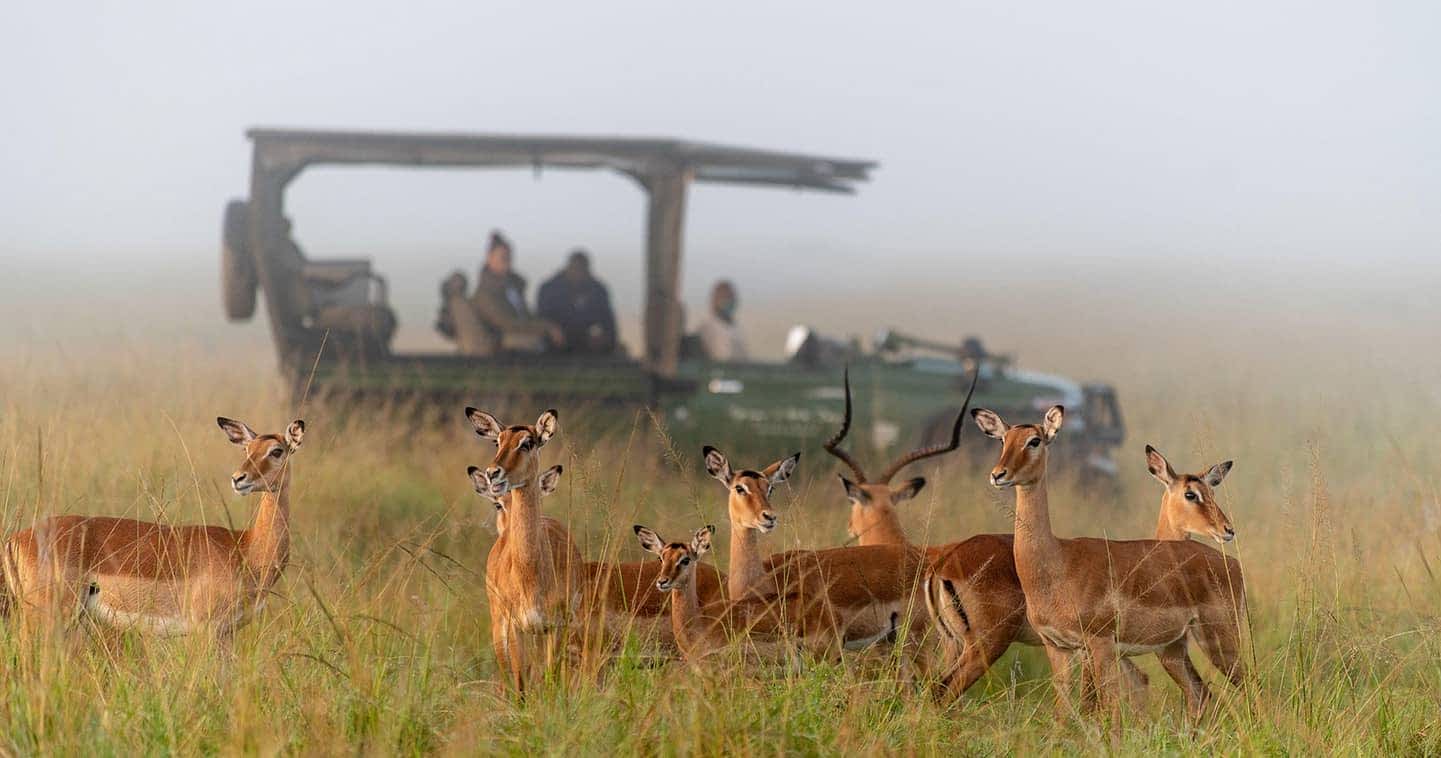
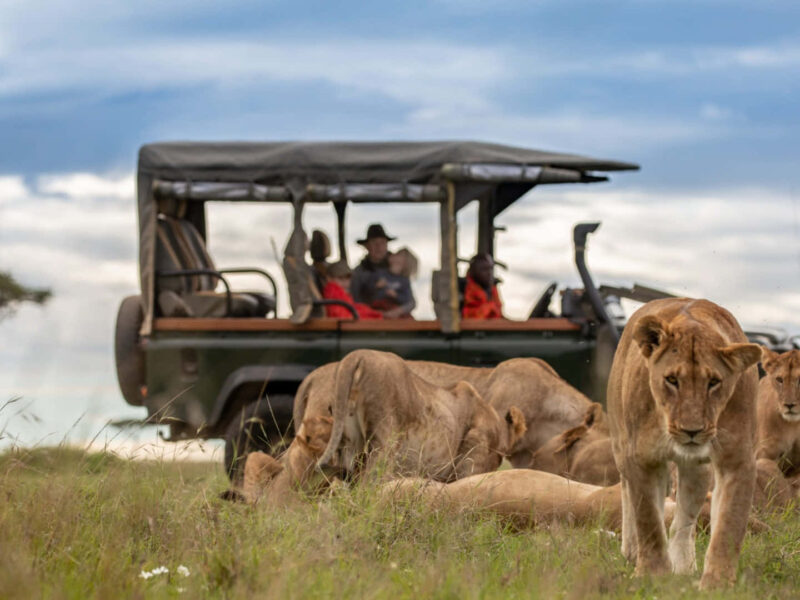
A game drive is the main activity on most Maasai Mara safaris as it gives you the opportunity to explore different habitats in search of lions, elephants, buffaloes, giraffes, zebras, cheetahs, leopards and other wildlife. Morning game drives begin around sunrise, when temperatures are cooler and many animals are active. Afternoon drives provide another opportunity to explore the plains as the heat begins to ease. Travellers with more time can arrange a full-day game drive with a packed breakfast or lunch.
So, explore the Talek area, Musiara Marsh, the open plains around the reserve or sections of the Mara Triangle. These habitats attract different animals and offer different photographic opportunities. A knowledgeable safari guide also helps interpret animal behavior. Rather than simply pointing out an elephant or lion, a good guide can explain feeding patterns, territorial behaviour, tracks and interactions between species.
How long: A morning or afternoon drive usually takes several hours. A full-day drive allows more time to explore distant areas in the reserve.
2. Witness the Great Migration in the Masai Mara National Reserve
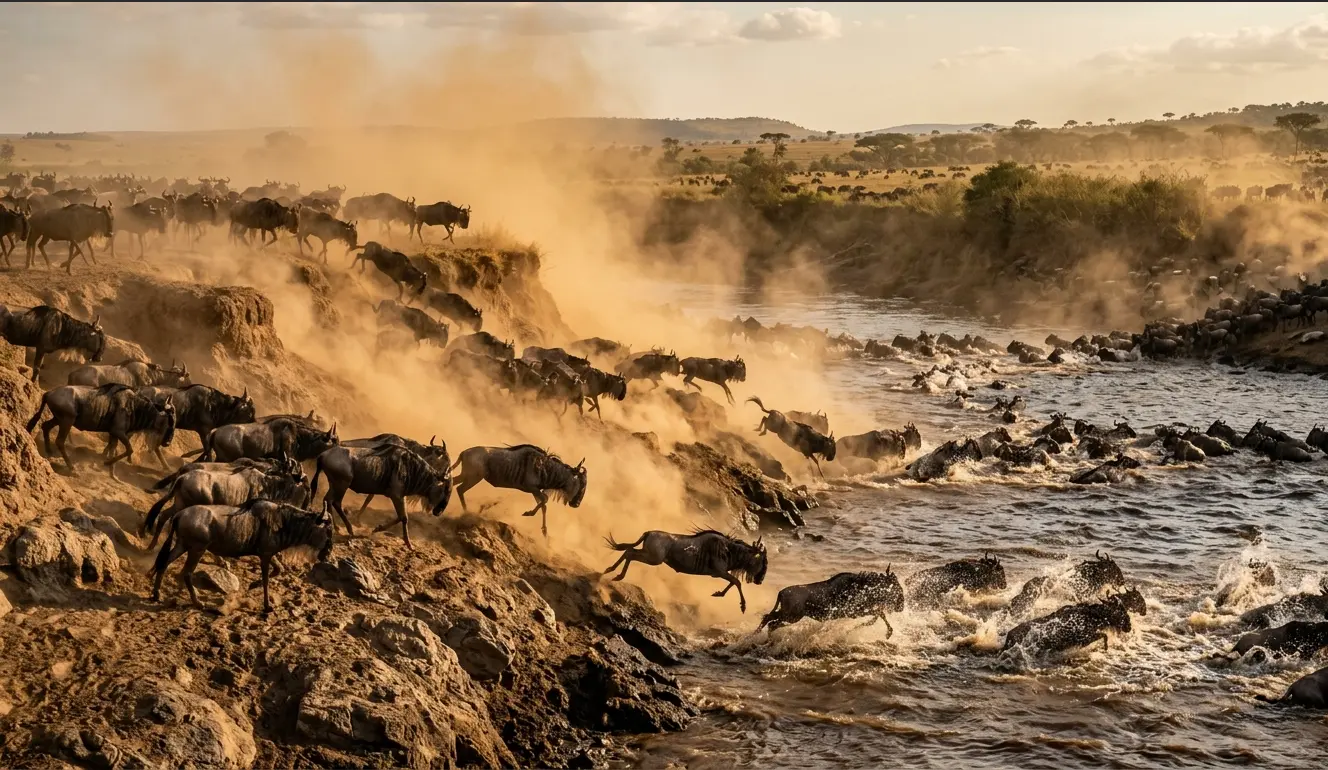
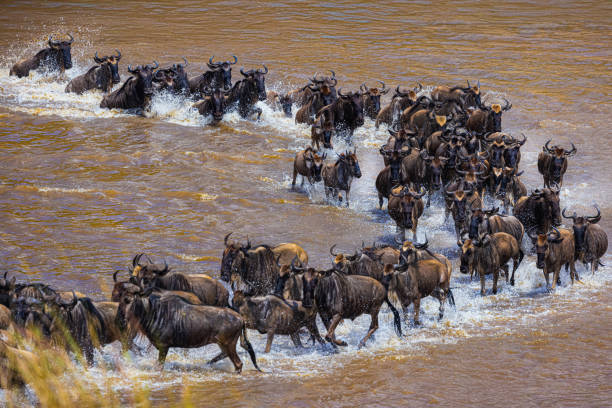
The Great Migration is one of the most recognised wildlife spectacles in East Africa. Each year, wildebeest, zebras and other grazing animals move through the Serengeti-Mara ecosystem in search of fresh grazing and water. The herds usually reach the Maasai Mara around July, with substantial numbers often remaining through September and October. Their arrival and departure depend on rainfall and grazing conditions, so the timing varies from year to year.
One of the most dramatic experiences is watching wildebeest gather along the banks of the Mara River. Animals may approach the water, retreat and gather again before a crossing begins. Crocodiles live in the river, adding to the dangers facing animals attempting to cross.
However, river crossings cannot be scheduled since a herd may cross while you are elsewhere, or it may remain near the river for hours without entering the water. Visitors should avoid itineraries that promise a crossing on a particular day.
There is more to migration viewing than river crossings. Watching large herds grazing across the plains, seeing calves among the wildebeest, and observing predators following the herds are also memorable experiences.
Planning tip: Allow at least three nights if migration viewing is a major reason for your visit. Choose a camp with practical access to the wildlife areas you intend to explore. Read our guide to the Great Migration in Kenya and Tanzania when planning a longer safari across the ecosystem.
3. Take a hot air balloon safari in Masai Mara
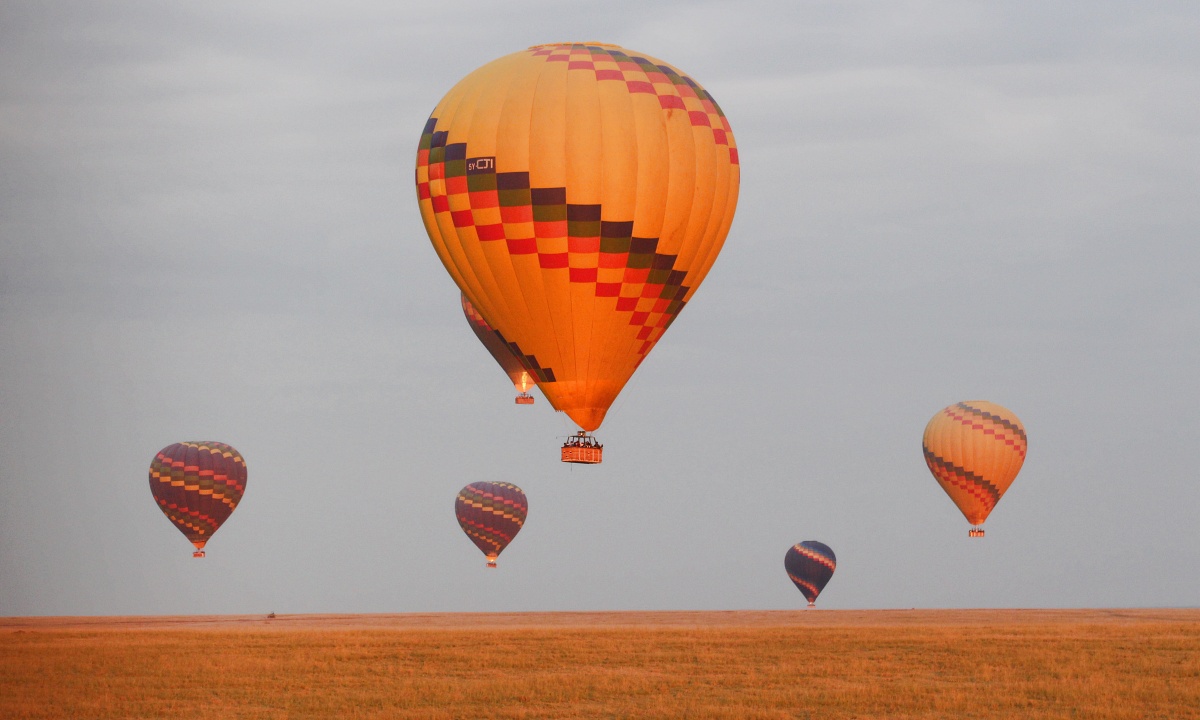
A balloon flight is the quietest way to see the wildlife in Masai Mara National Reserve. You rise before dawn, meet your pilot at the launch site, and lift off just as the first light spreads across the horizon. As the sun comes up, the sky fills with colour and other balloons drift into view, scattered like lanterns across the plains.
The air up there is cool and crisp, and there is a deep sense of peace because there is no engine noise, only the occasional roar of the burner. Below you, zebras, elephant herds, giraffes and wildebeest spread out across the grazing areas, and the Mara River winds like a silver ribbon through the golden grass.
A flight generally lasts around an hour, although the actual duration depends on the operator and weather conditions. Many packages include a bush breakfast with champagne after landing, which makes it a favourite for Masai Mara honeymoon safari enthusiasts and anyone celebrating something special.
4. Look for the Big Five animals in Masai Mara
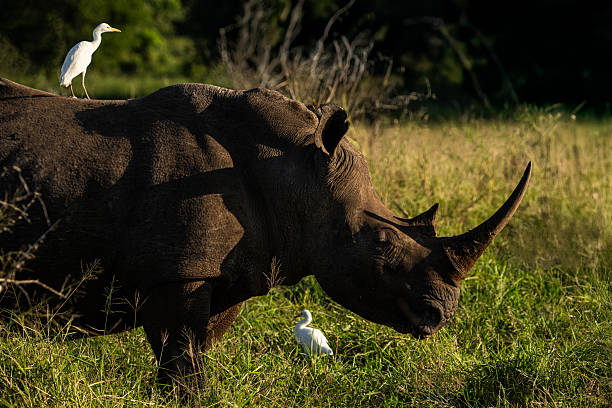
The Big 5 got their name because they were considered the most difficult and dangerous animals to hunt on foot in the early days. Today you can prove that reputation wrong with just a camera and a good guide on your Masai Mara safari by tracking the lion, leopard, buffalo, elephant and rhino in the Maasai Mara. You may not see all big five animals in one day, but you have a very good chance of seeing at least two or three, and plenty of visitors tick off all five within a few days. Rhinos are the hardest to find because they are few in number and shy, so be patient and let your guide lead.
5. Track the Maasai Mara’s big cats
The big cats are what bring the thrill of the Masai Mara to life especially during the game drive activities. One moment a lion pride lies sprawled in the shade, calm and lazy. The next, a hunt begins, and you witness a sudden burst of power that you will never forget. Leopards hide in riverine trees, and cheetahs scan the open plains from termite mounds.
The best Masai Mara areas to find the big cats is around the Musiara marsh, a permanent source of water that attracts a high concentration of prey and therefore of predators. Early morning is the best time, when the cats are most active.
6. Join a guided walking safari in Masai Mara
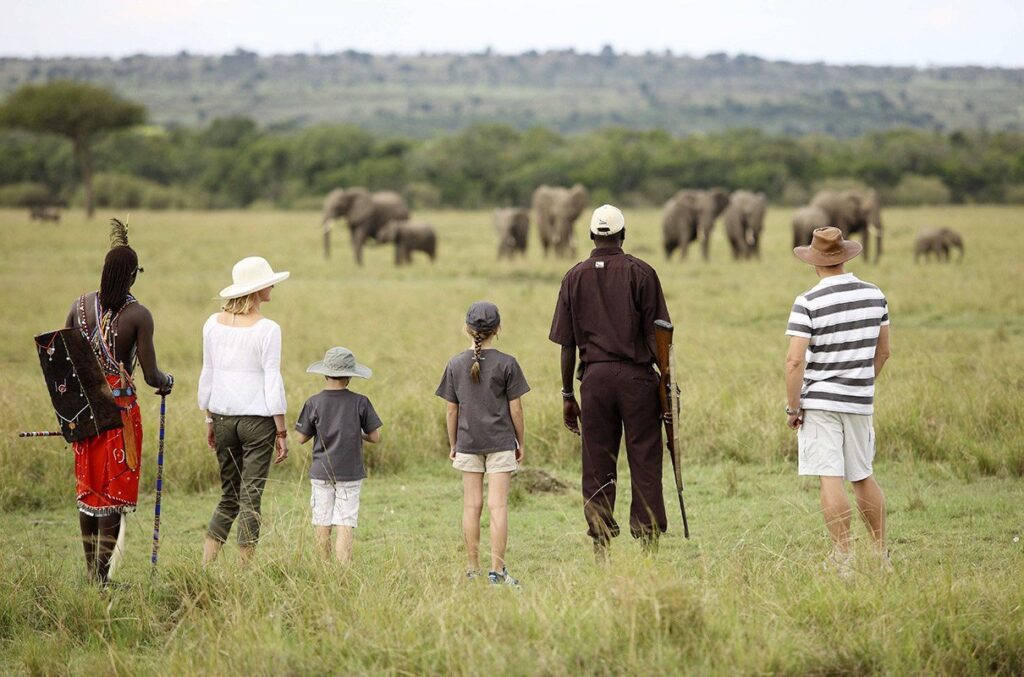
Walking safaris in Masai Mara take place in the conservancies that border the national reserve, such as Mara North, Olare Motorogi and Naboisho. So, this is because walking is not permitted inside the reserve itself. Led by an armed ranger and a Maasai guide who knows this land like the back of his hand, you leave the vehicle behind and slow right down.
This time you notice what you could never see from a car during game drives. Your guide points out medicinal plants like the Warburgia tree, whose bark is used for traditional remedies, and wild fruit trees that feed both people and animals. You learn to read footprints in the dust, tell a lion track from a leopard’s, and follow the trail of an animal across the plain. Also, see how dung beetles work, how termite mounds shape the landscape, and how the guide reads the wind. It is a gentle, educational experience that rewards your curiosity.
7. Visit a Maasai community - Best things to do in Masai Mara National Reserve
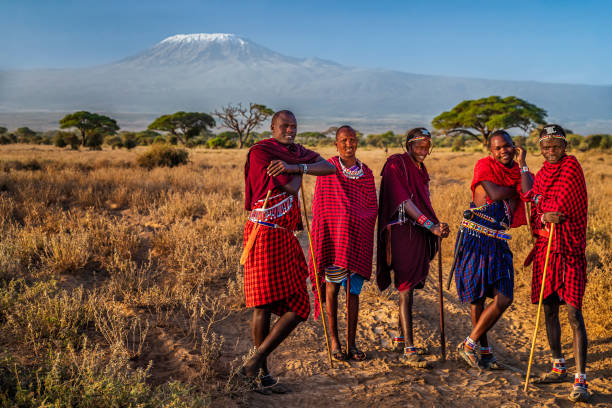
The Maasai are the indigenous people who share this ecosystem, and their heritage and way of life are something every visitor should experience. A visit to a Maasai boma in the reserve starts with a warm welcome of traditional songs and the famous jumping dance (adumu). So, watch the men herd cattle while the women make colorful beaded jewelry, and a village elder tells you about their history.
Also, learn about the Maasai customs and beliefs, and see traditional skills like making fire with sticks. It is a chance to learn, to ask questions, and to appreciate a culture that has lived in harmony with nature for centuries.
Ask permission before photographing people, homes, or ceremonies. Follow any restrictions communicated by your hosts in the reserve.
Maasai cultural tours are Best for: Families, cultural travellers, and visitors interested in community-based tourism in Kenya.
How long: Many visits take approximately one to two hours, although programs vary.
8. Experience a night game drive in a conservancy.
A night game drive activity to do in Masai Mara lets visitors see animals that are hard to spot on daytime drives. With a spotlight and an experienced guide, you may search for nocturnal species in the reserve, such as genets, civets, bushbabies, porcupines, and other night-active animals. Lions, leopards and hyenas may also be encountered after dark.
The experience is different from a daytime safari. The spotlight reveals only a small section of the surroundings, so guides rely on animal sounds, tracks, and their knowledge of the area. Night game drives are not permitted inside the main Maasai Mara National Reserve or Mara Triangle but are offered in selected surrounding conservancies where the activity is allowed.
9. Go on a wildlife photography safari
For anyone who loves a good picture, the Maasai Mara is a dream. Its open plains, dramatic skies, golden light, and busy wildlife make it one of the best places in Africa for wildlife photography. A dedicated photography safari goes a step further. You travel in a specially adapted 4×4 car rental in Kenya with extra space, window mounts or bean bags for stabilising long lenses, and a guide who understands light, angles, and patience.
The best light comes at sunrise and sunset, when the savannah in the Maasai Mara glows. You can capture river crossings, lions on termite mounds, silhouettes of acacia trees and elephants walking through the dust at golden hour. Bring a telephoto lens (200-600 mm is ideal), a wide-angle lens for landscapes, spare batteries, extra memory cards, and a dust cover. Your guide will position the vehicle for the best shot, so tell them what you hope to capture.
10. Go birdwatching in the Masai Mara National Reserve
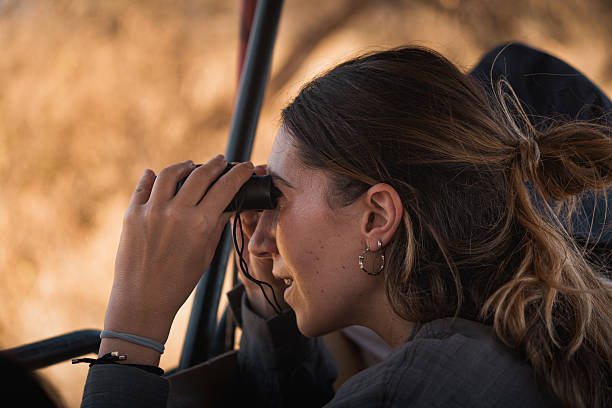
With around 470 recorded bird species, including raptors, the secretary bird, the ostrich, vultures, rollers, and the colorful lilac-breasted roller, the Maasai Mara is a paradise for birdwatchers. Bring binoculars and, if you like, a spotting scope and a bird guide book to experience one of the best things to do in Masai Mara on a budget with family, friends, and couples. So, move quietly to not scare the birds, wear neutral colors, and go early in the morning when birds are most active. Even beginners find this birding activity in Masai Mara very rewarding because the birds are everywhere.
11. Take a horseback riding safari in Masai MaraNational Reserve
Few things compare with riding alongside giraffes and zebras. Horseback safaris in the Masai Mara National Reserve are offered in selected conservancies and give you a rare vantage point. Animals are far less afraid of a horse and rider than of a noisy vehicle, so you can approach herds of zebra, wildebeests, giraffe and antelope much more closely and quietly.
Rides can last from a couple of hours to several days and range from relaxed walks to canters across the open plains. We require riders to have some experience, so be honest about your level and you are escorted by trained guides who keep a safe distance from dangerous animals like lions and buffalo.
12. Try fly camping in a conservancy
Fly camping is a simple, mobile camping experience in Maasai Mara that allows visitors to spend a night in a more remote setting. So, the tented camp in Masai Mara may use lightweight tents, basic sleeping arrangements, and a small support team. The emphasis is on spending time in the natural surroundings rather than staying in a permanent luxury Masai Mara lodge.
Some fly-camping experiences in Masai Mara National Reserve include guided walks, meals prepared at camp and opportunities to observe the landscape after sunset. Fly camping is not the same as booking a normal campsite in Masai Mara and pitching a tent independently.
13. Explore the Mara Triangle
The Mara Triangle forms the western section of the Masai Mara National Reserve known for its open grasslands, riverine habitats and opportunities to observe wildlife across the western part of the ecosystem. So, explore the Mara Triangle area on daytime game drives, search for big cats, look for elephants and buffaloes, and observe seasonal migration activity when the herds are in the region.
The Mara Triangle is not a separate private conservancy. It forms part of the National Reserve and is managed under its own management arrangements.
Planning tip: If the Mara Triangle is a priority, consider staying in accommodation with practical access to its entry points rather than adding a long cross-reserve drive to a short Masai Mara safari.
14. Enjoy a bush breakfast or sundowner
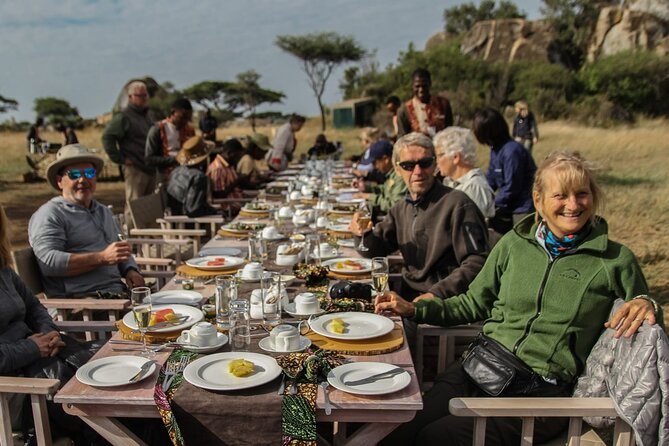
When the sun sinks over the Masai Mara, the whole atmosphere changes into something magical and cinematic. Your lodge or camp in Masai Mara National Reserve picks a great viewpoint under an acacia tree, prepares a table with drinks and snacks, and you relax with champagne or wine while the sky turns orange, pink, and finally purple. It is a peaceful way to end a day of game drives and the perfect time to share your best sightings of the day.
A sundowner experience during a safari holiday in Masai Mara is particularly popular with couples, honeymooners, and small private groups. It can also be a pleasant way for families to end a day of wildlife viewing.
15. Learn about wildlife conservation and community tourism in Masai Mara
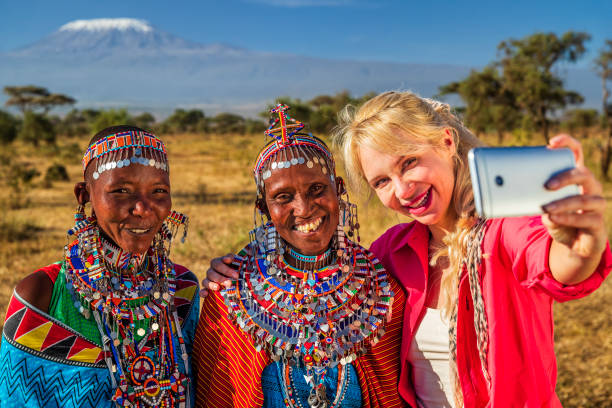
Tourism and conservation are closely connected across the Greater Mara ecosystem. Community conservancies, tourism operators and conservation organisations work in different ways to support wildlife habitats and local livelihoods.
Visitors learn about these efforts through selected camp talks, community programmes and conservation experiences. Depending on the organization, discussions may cover wildlife monitoring, human-wildlife conflict, land management, grazing practices and the role of tourism revenue.
Some conservancies operate through agreements with Maasai landowners, who receive payments for land used for conservation and tourism. The details differ between conservancies, so visitors should avoid assuming that all communities benefit in the same way.
Where can you do these activities in the Masai Mara National Reserve?
The Maasai Mara is made up of different management areas. Understanding the difference is important because an activity available in one area may not be permitted in another.
| Activity | National Reserve and Mara Triangle | Selected Masai Mara Conservancies |
|---|---|---|
| Daytime game drives | Yes | Yes |
| Great Migration viewing | Yes, when herds are present | Yes, when herds are present |
| Hot-air balloon safari | Through authorised operators | Subject to operator and location |
| Birdwatching | Yes | Yes |
| Wildlife photography | Yes | Yes |
| Guided walking safari | Not permitted in the Reserve | Available in selected areas |
| Night game drive | Not permitted | Available in selected areas |
| Horseback safari | Not permitted as a standard Reserve activity | Available in selected areas |
| Bush breakfast and sundowner | Subject to approved locations and rules | Often available, subject to local rules |
| Maasai community visit | Arranged outside the Reserve | Arranged through participating communities |
| Fly camping | Subject to authorised arrangements | Available in selected areas |
Always confirm the exact location of an activity with the Serengeti Masai Mara Experts. The term “Maasai Mara” is often used broadly in marketing, even when an experience takes place outside the National Reserve.
Why Choose Masai Mara things to do Over Another Kenya Park?
- The Masai Mara unlike other national parks in Africa besides the Serengeti also offers a front-row seat to the great wildebeest migration that is a natural phenomenon. Therefore, this makes the experience even more unique and makes the reserve an outstanding destination.
- Similarly, wildlife sightings during game drives are effortless, as the Masai Mara has a high density of wild animals, with over 240 herbivores like rhinos, elephants, zebras and giraffes. Also, predators like Nile crocodiles and leopards, therefore each activity in Masai Mara National Reserve is an opportunity to spot a wild animal. Masai Mara National Reserve is also a reliable destination for individuals who want to explore the big 5 animals.
- Lastly, make a cultural impact by visiting the Maasai Bomas during your Masai Mara vacation in Kenya, as you indirectly fund the community, thereby elevating their standards of living as they are able to redirect the money you pay into building schools and health centers.
FAQS About Things to Do in Masai Mara.
1. What are the top things to do in the Maasai Mara?
The main activities to do in Masai Mara include wildlife game drives, Great Migration viewing, hot-air balloon safaris, Big Five and big-cat viewing, birdwatching, and Maasai cultural visits. Selected conservancies in Masai Mara national Reserve also offer walking safaris, night drives and horseback riding.
2. Can you do activities in the Masai Mara besides game drives?
Yes. Visitors can take balloon flights, visit Maasai communities, go birdwatching, photograph wildlife and enjoy selected bush meals. Walking safaris in Masai Mara National Reserve, night drives and horseback activities are available in certain conservancies and private areas rather than throughout the National Reserve.
3. Can you go on a walking safari in the Masai Mara National Reserve?
Walking safaris are not permitted inside the main Maasai Mara National Reserve. However, they are arranged in selected surrounding conservancies and private areas under local safety and management rules.
4. What is the curfew time in Masai Mara National Reserve?
The curfew time in this reserve is 6: 00 PM, and this is to protect the visitors, as during this time dangerous nocturnal animals like leopards are more active and to also protect the animals from illegal poaching.
5. Does one need to book the things to do in Masai Mara in advance?
Yes, one needs to book the things that they are going to do in Masai Mara in advance as some of them like the hot air balloon safaris, have limited capacity, therefore, if one books late they might miss out.
6. How do Masai community visits work?
Your lodge or the Serengeti Masai Mara Experts arrange a 1- to 2-hour visit to a nearby homestead, usually costing between $30 and $50 per person. So, on site, villagers welcome you with traditional songs and jumping dances popularly known as adumu, alongside showcasing fire-making skills.